
Best Road Trip Packing List for Travelers
Planning a road trip? A well-organized best road trip packing list for travelers ensures you’re prepared for comfort, safety, and unexpected detours. Whether you’re driving cross-country or exploring scenic backroads, packing smart means fewer stress points and more time enjoying the journey. This guide covers essential categories—from vehicle gear to personal items—so you don’t forget the little things that make a big difference.
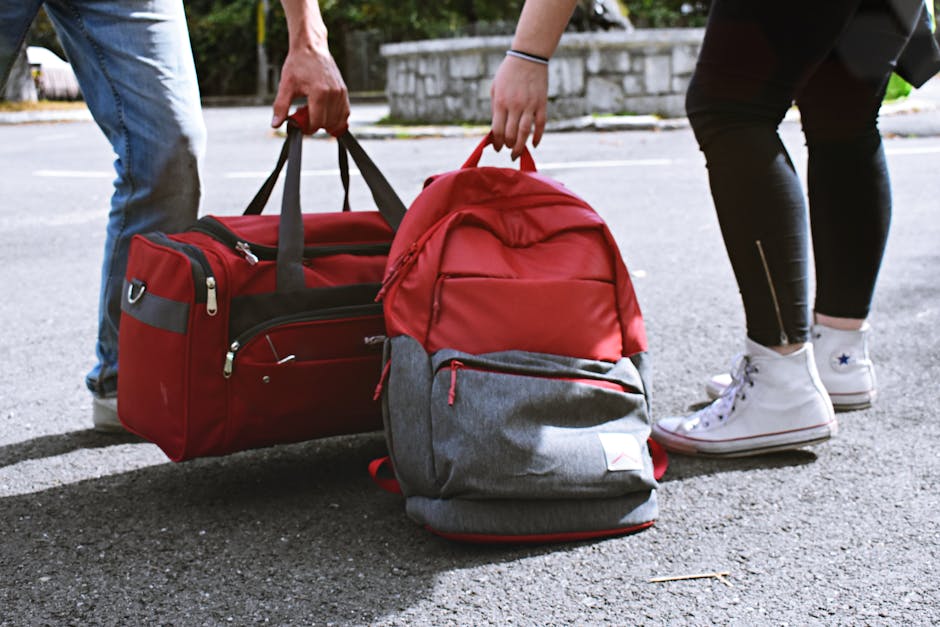
Why a Detailed Packing List Matters
A road trip can quickly turn frustrating if you’re missing critical items. Imagine realizing you forgot your phone charger in the middle of nowhere or not having a first-aid kit when someone gets a minor cut. A thorough packing list prevents oversights and helps you travel efficiently. It also reduces last-minute shopping at overpriced gas stations and keeps your vehicle organized, freeing up space and minimizing distractions while driving.
Essential Gear for Your Vehicle
Your car is your home on wheels, so equip it properly. Start with safety and functionality in mind.
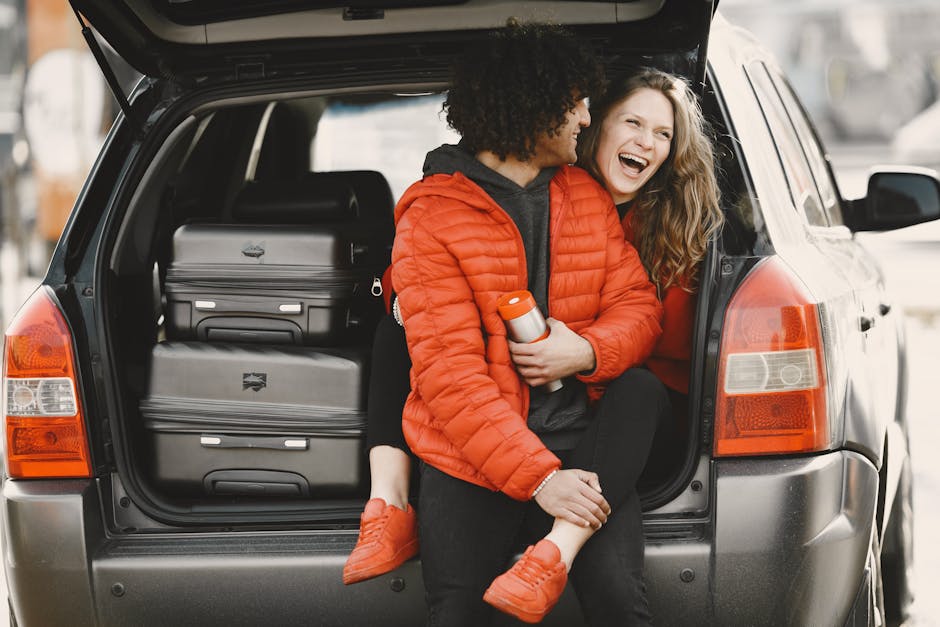
- Spare tire and jack: Ensure they’re in good condition and you know how to use them.
- Jumper cables or portable battery jump starter: A dead battery can happen unexpectedly, especially in cold weather.
- Emergency roadside kit: Include flares, reflective triangles, gloves, and basic tools.
- Car phone mount and charger: Keep your navigation visible and your device powered.
- Seatback organizers: Store maps, snacks, and small items within reach.
Consider adding a small inverter if you plan to power laptops or other electronics. Also, pack a foldable ice chest for perishables and drinks—especially useful on long drives or picnics.
Clothing and Personal Items
Packing versatile clothing saves space and keeps you comfortable in changing conditions.
- Layered outfits: Weather can shift quickly. Pack light jackets, long sleeves, and moisture-wicking base layers.
- Comfortable shoes: Bring walking shoes, sandals, and driving-appropriate footwear.
- Rain gear: A compact rain jacket or poncho is worth its weight in gold.
- Sleepwear and sleep aids: Eye masks and earplugs help with rest at noisy rest stops.
- Toiletries in travel sizes: Use leak-proof containers for shampoo, toothpaste, and sunscreen.
Roll clothes instead of folding to save space and reduce wrinkles. Use packing cubes to separate categories like underwear, socks, and outerwear.
Food, Drinks, and Snacks
Eating on the road doesn’t have to mean fast food. With a little prep, you can enjoy fresh, healthy meals.
- Non-perishable snacks: Granola bars, nuts, dried fruit, and crackers are reliable.
- Reusable water bottles: Stay hydrated and reduce plastic waste.
- Cooler with ice packs: Store sandwiches, yogurt, fruit, and drinks.
- Portable coffee maker or thermos: For coffee lovers, a French press or insulated mug keeps things simple.
Avoid messy or strong-smelling foods while driving. Opt for easy-to-eat items that don’t require utensils. Pre-portion snacks into small bags to avoid overeating and keep the car tidy.
Technology and Navigation Tools
Stay connected and on course with the right tech setup.
- Smartphone with offline maps: Download maps in advance in case of poor signal.
- Portable Wi-Fi hotspot: Useful for remote areas or streaming on long drives.
- Camera or action cam: Capture scenic views and memorable moments.
- Power bank: Keep devices charged during hikes or stops.
Always keep cords and adapters organized in a dedicated pouch. Label them if you have multiple devices to avoid confusion.
Health, Safety, and Documentation
Don’t overlook the basics that protect your well-being and legal compliance.
- First-aid kit: Include bandages, antiseptic wipes, pain relievers, and any personal medications.
- Prescription medications: Bring enough for the entire trip plus a few extra days.
- Copies of important documents: Keep digital and physical copies of your driver’s license, insurance, registration, and emergency contacts.
- Sunscreen and insect repellent: Especially important for outdoor stops.
- Hand sanitizer and wet wipes: Maintain hygiene when restrooms aren’t available.
Store documents in a waterproof folder or sealed bag. Share your itinerary with a trusted friend or family member before departure.
Entertainment and Comfort
Long hours on the road call for distractions and comfort aids.
- Playlist or audiobooks: Create themed playlists or download podcasts in advance.
- Travel games or cards: Great for passengers during breaks.
- Neck pillow and blanket: Ideal for napping during passenger shifts.
- Window shades: Helpful for sleeping in rest areas or campsites.
Rotate drivers if possible to reduce fatigue. Use rest stops every two hours to stretch and refresh.
What to Leave Behind
Not everything deserves a spot in your trunk. Avoid overpacking by being selective.
- Excess clothing: Stick to a 5–7 day rotation unless traveling in extreme climates.
- Heavy books: Use e-books or audiobooks instead.
- Fragile or rarely used items: Save souvenirs for the return trip.
- Multiple pairs of shoes: Two or three versatile pairs are usually enough.
Weigh your luggage if possible. Heavier loads reduce fuel efficiency and increase wear on your vehicle.
Compact Packing Comparison: Essentials vs. Extras
Not all items are equally important. Use this quick reference to prioritize:
| Category | Essential Items | Nice-to-Have Extras |
|---|---|---|
| Safety | Spare tire, jumper cables, first-aid kit | Portable air compressor, tire inflator |
| Tech | Phone mount, charger, offline maps | Portable projector, gaming console |
| Comfort | Neck pillow, water bottle, snacks | Travel footrest, seat cushion |
| Hygiene | Toothbrush, soap, hand sanitizer | Portable bidet, facial steamer |
Focus on essentials first, then add extras based on trip length and personal preferences.
Final Tips for a Smooth Road Trip
Preparation goes beyond packing. Check your vehicle’s oil, tire pressure, and fluids a day before departure. Plan your route with alternate options in case of road closures. Download entertainment and maps while on Wi-Fi. And finally, leave room in your schedule—and your car—for spontaneity.
A well-prepared traveler enjoys the journey as much as the destination. With this best road trip packing list for travelers, you’re set for comfort, safety, and adventure.
FAQ
What should I pack for a 7-day road trip?
Focus on versatile clothing, essential toiletries, non-perishable snacks, a first-aid kit, navigation tools, and entertainment. Use packing cubes and a cooler for organization and fresh food.
How can I save space when packing for a road trip?
Roll clothes instead of folding, use compression bags, pack multi-use items, and limit shoes. Store small items in organizers and avoid duplicate gear.
Is it necessary to bring a paper map?
While GPS is reliable, a paper map or offline digital maps are wise backups in areas with poor signal. They also help visualize the full route and nearby towns.