
Best Road Trip Tips for Long Distance Travel Experience
Planning a long-distance road trip can be exciting, but without the right preparation, it can quickly turn stressful. The best road trip tips for long distance travel experience focus on safety, comfort, and smart logistics. From vehicle checks to route planning and in-car entertainment, these practical strategies help ensure your journey is enjoyable from start to finish. Whether you’re driving across states or exploring remote scenic routes, a little foresight goes a long way in maximizing both efficiency and enjoyment.

Start with a Thorough Vehicle Inspection
Before hitting the road, your vehicle needs to be in top condition. A breakdown miles from the nearest town is not only inconvenient—it can be dangerous. Begin by checking essential systems: oil levels, tire pressure, brake function, and fluid levels including coolant and windshield washer fluid. If your trip spans over 500 miles, consider a professional inspection at a trusted mechanic. Look for worn belts, frayed hoses, and any dashboard warning lights.
Tires deserve special attention. Inspect tread depth using the penny test—insert a penny into the tread with Lincoln’s head upside down. If you can see the top of his head, it’s time for new tires. Also, don’t forget the spare tire and jack. Many modern cars come with tire inflators instead of spares, so confirm what your vehicle includes and whether you know how to use it.
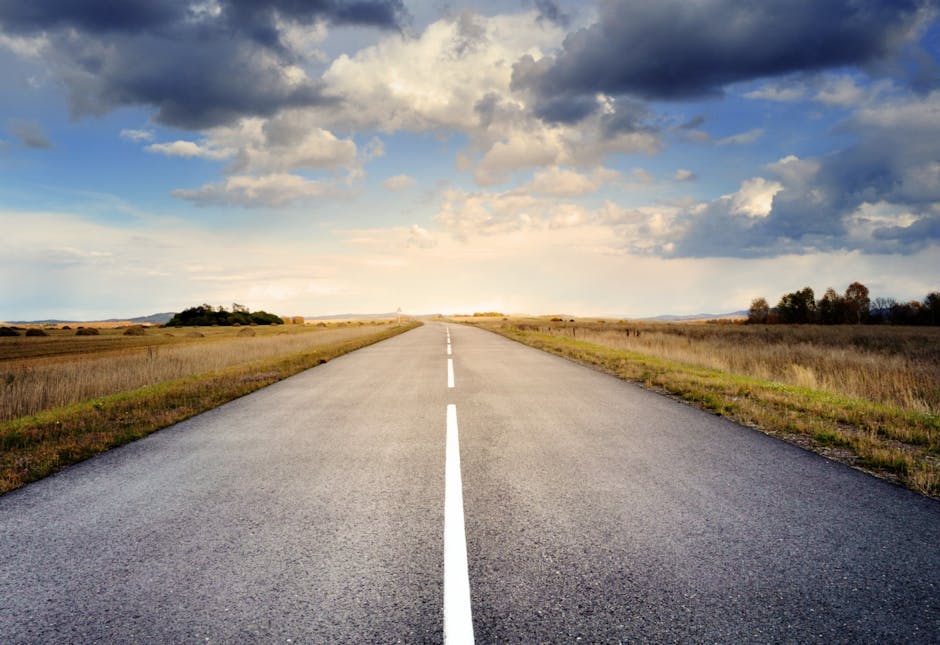
Plan Your Route—But Stay Flexible
Use GPS apps like Google Maps or Waze to map your primary route, including rest stops, gas stations, and food options. Download offline maps in case you lose signal in rural areas. However, avoid over-scheduling. Allow buffer time for unexpected delays like construction, weather, or spontaneous detours to scenic viewpoints or local attractions.
Identify alternate routes in advance. If a major highway is closed, knowing a reliable backroad can save hours. Also, note locations of hospitals, police stations, and repair shops along your path—especially when traveling through less populated regions.
Pack Smart: Essentials vs. Extras
Overpacking leads to clutter and reduced fuel efficiency. Stick to a compact, organized packing list. Prioritize essentials like a first-aid kit, flashlight, portable phone charger, jumper cables, and a basic toolkit. Bring reusable water bottles and non-perishable snacks to avoid constant stops and reduce waste.
Clothing should follow the “layer and rotate” rule—pack versatile pieces that can be mixed and matched. Roll clothes instead of folding to save space and minimize wrinkles. Use packing cubes or compression bags to keep items sorted and accessible.
Stay Safe and Alert on the Road
Fatigue is one of the leading causes of long-distance driving accidents. Follow the two-hour rule: stop every two hours or 100 miles to stretch, hydrate, and refresh. Never drive if you’re drowsy—pull over in a safe area and take a 20-minute power nap if needed.
Share driving duties if possible. Rotating drivers every few hours helps maintain alertness. Avoid driving during your usual sleep hours, especially on overnight legs of the trip. If you must drive at night, increase following distance and use high beams responsibly in low-traffic areas.
Keep Passengers Entertained and Comfortable
Long hours in the car can test even the most patient travelers. Prepare a mix of entertainment options: playlists, audiobooks, podcasts, and offline games. Avoid relying solely on streaming services, which may not work in areas with poor connectivity.
For families, create a “road trip kit” with coloring books, travel-sized board games, and headphones. Set ground rules early—like device time limits or quiet zones during naps—to reduce conflicts. Open windows periodically for fresh air, and adjust seat positions for comfort during extended drives.
Manage Food and Fuel Efficiently
Refuel before your tank drops below a quarter full. This reduces the risk of running out in remote areas and often saves money, as prices tend to be higher near highways and tourist spots. Use apps like GasBuddy to locate the cheapest stations along your route.
Pack a small cooler with healthy snacks like nuts, fruit, granola bars, and sandwiches. Avoid greasy fast food when possible—it can cause energy crashes. Plan meals around local cuisine when stopping in towns, but always carry backup food in case restaurants are closed or crowded.
Protect Your Documents and Valuables
Keep important documents—driver’s license, registration, insurance, and emergency contacts—in a waterproof folder within easy reach. Make digital copies and store them in a secure cloud service. Never leave valuables like wallets, passports, or electronics in plain sight when parked.
If you’re crossing state or national borders, verify any required permits or documentation. For international trips, check visa requirements and vehicle import rules well in advance.
Use Technology Wisely
Leverage technology to enhance safety and convenience, but avoid distractions. Mount your phone securely and use voice commands for navigation and calls. Enable location sharing with a trusted contact so someone knows your real-time whereabouts.
Consider investing in a dash cam for added security. It can provide evidence in case of an accident and deter reckless drivers. Also, use weather apps to monitor conditions along your route and adjust plans if severe weather is expected.
Prepare for Emergencies
Even with the best planning, emergencies happen. Carry a roadside emergency kit that includes flares or reflective triangles, gloves, a fire extinguisher, and a basic medical supply pack. Know how to change a tire and jump-start a battery—or at least have a reliable roadside assistance plan.
Program emergency numbers into your phone, including local non-emergency police lines and your insurance provider’s roadside help. If you’re traveling through remote areas, consider a satellite communicator for areas with no cell service.
Best Road Trip Tips for Long Distance Travel Experience: A Quick Comparison
Not all road trip advice is created equal. Below is a comparison of common strategies based on practicality, safety impact, and ease of implementation.
| Strategy | Ease of Use | Safety Impact | Cost |
|---|---|---|---|
| Pre-trip vehicle inspection | Moderate | High | Low–Moderate |
| Using GPS with offline maps | Easy | Medium | Free–Low |
| Rotating drivers every 2–3 hours | Easy | High | None |
| Carrying a portable phone charger | Easy | Medium | Low |
| Investing in a satellite communicator | Moderate | Very High | High |
Final Thoughts
The best road trip tips for long distance travel experience combine preparation, awareness, and adaptability. A successful journey isn’t just about reaching your destination—it’s about enjoying the ride, staying safe, and creating lasting memories. By inspecting your vehicle, planning your route thoughtfully, packing efficiently, and prioritizing safety, you set the foundation for a smooth and rewarding adventure. Remember, the open road rewards those who respect it.
FAQ
How often should I stop during a long road trip?
It’s recommended to stop every two hours or 100 miles to rest, stretch, and refresh. This helps prevent fatigue and keeps you alert behind the wheel.
What should I do if my car breaks down in a remote area?
Pull over safely, turn on hazard lights, and use flares or reflective triangles if available. Call for roadside assistance or emergency services. If you have a satellite communicator, use it to send a distress signal.
Is it better to drive during the day or at night on long trips?
Driving during daylight is generally safer due to better visibility and reduced wildlife activity. However, night driving can mean less traffic. If driving at night, ensure your headlights are clean and properly aligned, and take extra breaks.