
Best Travel Inspiration Ideas for Your Next Trip
Finding the best travel inspiration ideas for your next trip doesn’t have to mean scrolling endlessly through social media or relying on overused destinations. Whether you’re dreaming of a solo adventure, a romantic getaway, or a family-friendly escape, the right inspiration can transform vague wanderlust into a concrete plan. This guide offers practical, diverse, and actionable travel ideas to help you choose your next destination with confidence. From hidden gems to seasonal highlights, we’ll cover how to match your interests, budget, and travel style to real-world experiences that deliver lasting memories.
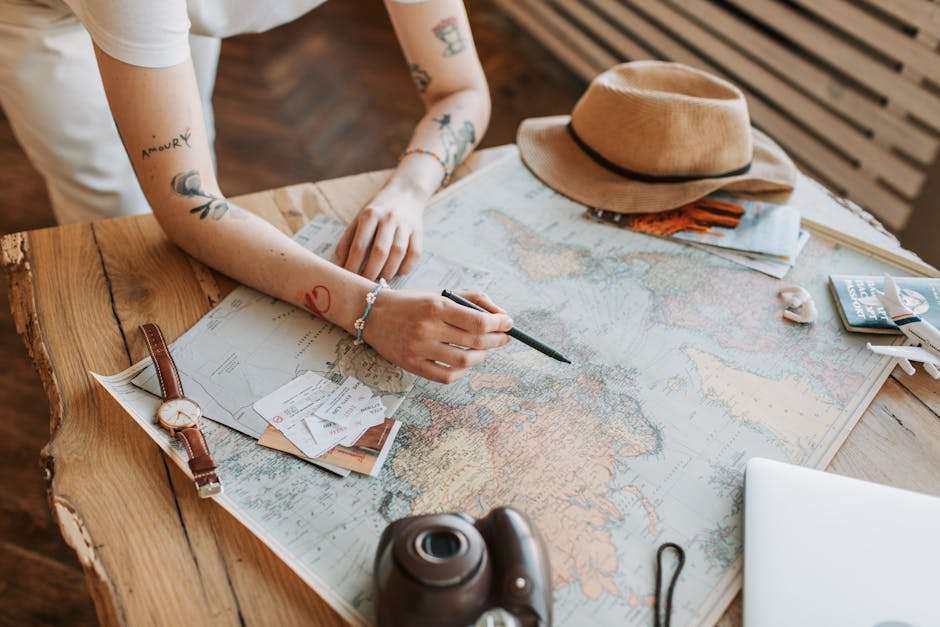
Start with Your Travel Personality
Before diving into destinations, consider what kind of traveler you are. Your preferences shape everything—from where you go to how you spend your days. Ask yourself: Do you crave relaxation or adventure? Are you drawn to culture and history, or do you prefer nature and outdoor activities? Matching your trip to your travel personality ensures a more satisfying experience.
For example, if you enjoy slow travel and local immersion, consider spending a week in a small Tuscan village where you can cook with locals, visit weekly markets, and explore nearby vineyards. On the other hand, if you thrive on adrenaline, a trek through Patagonia or a multi-sport adventure in New Zealand might be more your speed. Understanding your core motivations helps narrow down the endless options and leads to more meaningful trips.

Explore by Theme or Interest
One of the most effective ways to generate travel inspiration is to build your trip around a central theme. This approach gives your journey focus and makes planning easier. Here are several popular themes with real-world examples:
- Culinary Journeys: Join a food tour in Oaxaca, Mexico, to learn traditional mole recipes, or explore the night markets of Taipei. These trips combine culture, flavor, and hands-on experiences.
- Historical Exploration: Walk the ancient streets of Kyoto, Japan, visiting temples and tea houses, or follow the Roman Empire’s footsteps through Italy and Tunisia.
- Eco-Travel: Visit Costa Rica’s cloud forests or the Galápagos Islands, where conservation efforts and sustainable tourism go hand in hand.
- Wellness Retreats: Recharge with yoga in Bali, a meditation retreat in Sedona, or a thermal spa experience in Iceland.
- Photography Expeditions: Capture the northern lights in Norway, wildlife in Kenya’s Maasai Mara, or the vibrant street life of Mumbai.
Choosing a theme not only simplifies decision-making but also deepens your connection to the destination. It encourages you to engage more fully with local traditions, environments, and communities.
Seasonal and Regional Highlights
Timing and location play a crucial role in shaping your travel experience. Some destinations shine in specific seasons, while others offer year-round appeal. Use seasonal trends to your advantage—whether you’re chasing cherry blossoms, avoiding crowds, or finding the best weather.
For instance, spring in Kyoto is magical with blooming sakura, but it’s also peak tourist season. If you prefer fewer crowds, consider visiting in late autumn when the foliage is equally stunning. Similarly, the Mediterranean coast is ideal in late spring or early fall, avoiding summer heat and high prices.
In contrast, winter opens up unique opportunities: ski trips in the Alps, northern lights in Lapland, or cultural festivals like Carnaval in Brazil. Planning around seasonal events can add a special layer to your trip, turning a simple vacation into a once-in-a-lifetime experience.
Hidden Gems Worth Considering
While iconic cities like Paris, Tokyo, and New York will always have their appeal, some of the most rewarding trips come from discovering lesser-known destinations. These places often offer authentic experiences, lower costs, and fewer tourists.
Consider Albania’s Albanian Riviera for pristine beaches and Ottoman-era towns, or Georgia (the country) for dramatic mountain scenery, ancient wine culture, and warm hospitality. In Southeast Asia, Laos offers serene rivers, Buddhist temples, and a slower pace compared to its more visited neighbors.
Even within popular countries, there are under-the-radar regions. Instead of Tuscany, explore Umbria for rolling hills, medieval towns, and fewer crowds. Or skip the Amalfi Coast for the quieter, equally beautiful Cinque Terre villages.
Leverage Travel Resources and Tools
Modern travelers have access to a wealth of tools that can spark inspiration and aid planning. Use them wisely to uncover new ideas and streamline your research.
Start with curated travel blogs and magazines like Condé Nast Traveler or National Geographic Travel, which often feature destination spotlights and seasonal guides. Podcasts such as The Travel Podcast or Zero to Travel offer personal stories and practical tips from seasoned travelers.
Interactive tools like Google Earth can help you visualize destinations, while platforms like Atlas Obscura highlight unusual and offbeat attractions. Flight deal websites such as Scott’s Cheap Flights or Google Flights’ “Explore” feature can reveal affordable routes to unexpected places.
Don’t overlook social media—but use it intentionally. Instead of mindless scrolling, follow destination-specific accounts or hashtags like #HiddenEurope or #SoloTravelTips to find authentic, user-generated content.
Plan Around Events and Festivals
Timing your trip to coincide with a local festival or event can elevate your experience significantly. These celebrations offer a window into a culture’s traditions, food, music, and community spirit.
For example, attending Holi in India, Diwali in Nepal, or Oktoberfest in Munich immerses you in local life in a way few other experiences can. Even smaller events—like a village harvest festival in Portugal or a jazz festival in Montreal—can become trip highlights.
Just be aware that popular events often mean higher prices and packed accommodations. Book early and confirm details, as dates can vary by year or region. Also, research local customs to ensure respectful participation.
Budget-Friendly Inspiration
Travel inspiration shouldn’t be limited to luxury experiences. Many of the world’s most rewarding trips are affordable with smart planning. Focus on value, not just cost—sometimes spending a little more on a key experience (like a guided tour or local guide) enhances the entire trip.
Consider destinations where your currency goes further. Countries like Vietnam, Portugal, and Mexico offer rich experiences at lower prices. Travel during shoulder seasons (just before or after peak times) for better rates and fewer crowds.
Alternative accommodations—such as guesthouses, homestays, or house-sitting—can reduce costs while increasing cultural exchange. Public transportation, walking tours, and local markets also help stretch your budget while keeping you connected to everyday life.
Travel Inspiration for Different Trip Types
Your travel goals will influence the type of inspiration that resonates most. Here’s how to tailor your search based on common trip types:
Solo Travel
Safety, ease of navigation, and opportunities to meet people are key. Consider destinations known for solo traveler friendliness, such as Iceland, Japan, or New Zealand. Look for hostels with social events, walking tours, or language exchanges to connect with others.
Family Trips
Look for destinations with a mix of education and fun. Places like Costa Rica (wildlife and beaches), Canada (national parks and cities), or Portugal (history and kid-friendly beaches) offer activities for all ages. Prioritize accommodations with kitchens and laundry facilities for convenience.
Couple’s Getaways
Romance doesn’t require five-star resorts. Think about scenic train rides through Switzerland, wine tastings in Mendoza, or quiet beachfront bungalows in Mozambique. Focus on shared experiences and downtime.
Group Adventures
For friends traveling together, choose destinations with diverse activities—like Croatia for coastal hikes, boat tours, and nightlife, or Peru for Machu Picchu, food tours, and jungle excursions. Ensure the itinerary balances group time with personal space.
Use a Comparison Table to Evaluate Options
When narrowing down destinations, a quick comparison can clarify your priorities. Below is a compact table comparing four diverse destinations based on key factors:
| Destination | Best For | Average Daily Cost (USD) | Best Time to Visit | Unique Experience |
|---|---|---|---|---|
| Kyoto, Japan | Culture, history, tranquility | $120 | March–May, September–November | Tea ceremony in a 300-year-old teahouse |
| Luang Prabang, Laos | Spirituality, nature, slow travel | $60 | November–February | Alms-giving ceremony at dawn</tea ceremony in a 300-year-old teahouse |
| Albanian Riviera, Albania | Beaches, hiking, affordability | $70 | June–September | Kayaking along secluded coves |
| Georgia (Country) | Mountains, wine, hospitality | $50 | May–October | Toasting with traditional supra feast |
Avoid Common Inspiration Pitfalls
While seeking travel inspiration, it’s easy to fall into traps that lead to disappointment. Avoid these common mistakes:
- Over-idealizing destinations: Photos don’t show crowds, weather issues, or logistical challenges. Read recent traveler reviews and forums for balanced perspectives.
- Copying itineraries exactly: What works for one person may not suit your pace or interests. Customize plans to fit your needs.
- Ignoring travel logistics: A dream destination may require complex visas, long flights, or limited infrastructure. Research entry requirements and transport options early.
- Chasing trends: Just because a place is “trending” doesn’t mean it’s right for you. Focus on what genuinely excites you.
Turn Inspiration into Action
Once you’ve gathered ideas, the next step is planning. Start by setting a realistic budget and travel window. Use inspiration as a springboard, not a script. Allow room for spontaneity—some of the best travel moments happen off the itinerary.
Create a shortlist of 2–3 destinations and compare them using factors like cost, safety, language, and activities. Book flights and accommodations early for better rates, especially if traveling during peak seasons or around major events.
Finally, prepare mentally and physically. Read about local customs, learn a few key phrases, and pack appropriately. The more prepared you are, the more you’ll enjoy the journey.
Final Thoughts on Travel Inspiration
The best travel inspiration ideas for your next trip come from a mix of research, self-awareness, and openness to new experiences. Whether you’re drawn to bustling cities, remote nature, or cultural deep dives, the right inspiration leads to trips that feel personal and meaningful. Use the strategies in this guide to move beyond generic suggestions and discover destinations and experiences that truly resonate with you. With thoughtful planning and a spirit of curiosity, your next adventure can be both memorable and uniquely yours.
FAQ
Q: How do I find unique travel inspiration without relying on social media?
A: Explore travel literature, documentaries, and niche blogs. Libraries, podcasts, and local travel agencies can also offer fresh, less-commercialized ideas.
Q: Is it better to plan every detail or leave room for spontaneity?
A: A balanced approach works best. Plan key elements like flights and accommodations, but leave space for local recommendations and unexpected discoveries.
Q: How can I travel affordably without sacrificing quality?
A: Choose budget-friendly destinations, travel during shoulder seasons, use public transport, and prioritize experiences over luxury accommodations. Local experiences often offer the best value.