Budget Travel Guide to Italy with Daily Expense Tips
Traveling through Italy doesn’t have to drain your savings. With smart planning and daily expense awareness, you can enjoy Rome’s ancient ruins, Venice’s canals, and Tuscany’s rolling hills on a modest budget. This budget travel guide to Italy offers practical tips to help you stretch your euros, from affordable accommodations and local eats to free attractions and efficient transportation. Whether you’re backpacking or on a short city break, you’ll find actionable advice to keep costs low without sacrificing experience.
How to Plan Your Budget Trip to Italy
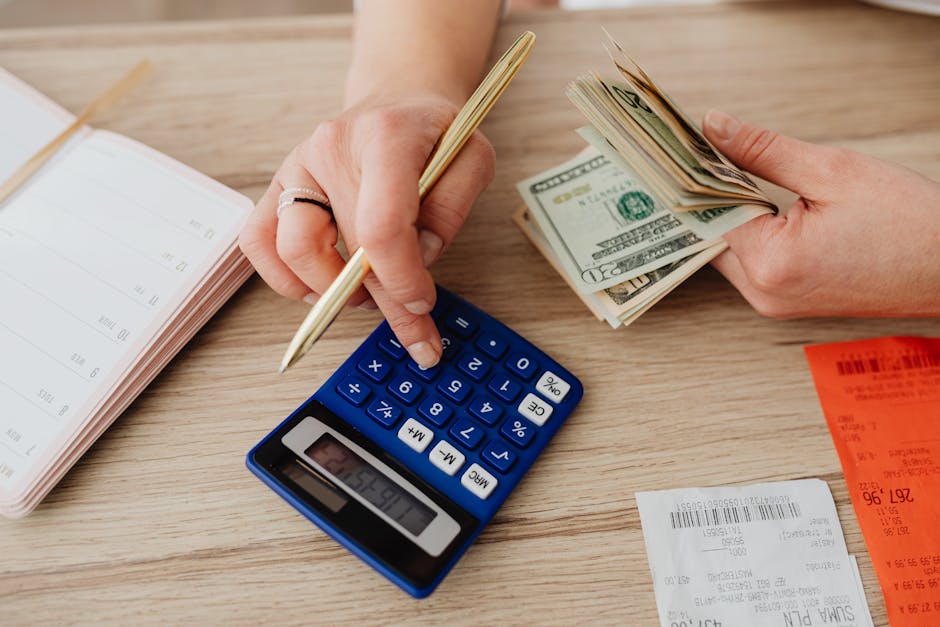
Start by setting a realistic daily spending target. For most travelers, a daily budget of €60–€80 covers food, transport, and basic sightseeing in smaller cities, while major destinations like Rome or Milan may require €80–€100. Begin by booking flights and accommodations early—prices rise significantly during peak season (June to August). Consider shoulder months like May, September, or October for better rates and fewer crowds.
Choose accommodations wisely. Hostels, guesthouses, and agriturismi (farm stays) often provide more value than central hotels. In cities like Florence or Bologna, staying just outside the historic center can cut costs by 30–40% while keeping you well-connected by public transit.
Daily Budget Breakdown by City
| City | Accommodation (per night) | Meals (per day) | Transport (per day) | Attractions (per day) | Total Daily Estimate |
|---|---|---|---|---|---|
| Rome | €25–€40 | €15–€25 | €3–€7 | €5–€15 | €48–€87 |
| Florence | €20–€35 | €12–€20 | €2–€5 | €5–€12 | €39–€72 |
| Naples | €18–€30 | €10–€18 | €2–€4 | €3–€10 | €33–€62 |
| Venice | €30–€50 | €18–€30 | €4–€8 | €8–€20 | €60–€108 |
Affordable Accommodation Options
Italy offers a range of budget-friendly places to stay. Hostels are common in cities and often include breakfast and free Wi-Fi. Look for ones with private rooms if you prefer more privacy. In rural areas, consider agriturismi—family-run farms that offer rooms and home-cooked meals at reasonable prices. Booking platforms like Hostelworld or Booking.com allow filtering by price, location, and guest ratings.
Avoid staying in major train stations or tourist squares, where prices are inflated. Instead, opt for neighborhoods like Trastevere in Rome, Santa Croce in Florence, or Dorsoduro in Venice—quieter, authentic areas with good transit links.
Eating Well Without Overspending
One of the best ways to save money in Italy is to eat like a local. Skip touristy restaurants near landmarks and head to neighborhood trattorias, pizzerias, and street food vendors. A slice of pizza al taglio (by the slice) costs €2–€4 and makes a filling lunch. Markets like Mercato Centrale in Florence or Campo de’ Fiori in Rome offer fresh produce, cheeses, and ready-to-eat meals at low prices.
Breakfast in Italy is typically light—cappuccino and cornetto (croissant) for €2–€3 at a bar. Many cafes charge extra to sit at a table, so stand at the counter to save. For dinner, look for “menu del giorno” (daily menu) deals, which include two or three courses for €10–€15.
Street Food and Market Bites to Try
- Supplì (Rome): Fried rice balls with tomato sauce and mozzarella, €2–€3
- Arancini (Sicily): Stuffed rice croquettes, €2.50–€4
- Panelle (Palermo): Chickpea fritters in a sandwich, €2
- Panzerotti (Apulia): Fried or baked turnovers with cheese and tomato, €3–€5
Getting Around on a Budget
Public transportation in Italy is efficient and affordable. Trains connect major cities, with regional trains (Regionale) being the cheapest option. Book tickets in advance at Trenitalia or Italo websites—walk-up fares can be 20–30% higher. A one-way regional train from Rome to Florence costs around €15–€25.
In cities, use buses, trams, and metro systems. Most cities offer daily or multi-day transit passes. Rome’s 24-hour ticket costs €7, while Milan’s 24-hour pass is €5.50. Always validate your ticket before boarding to avoid fines.
Walking is often the best option in historic centers, where streets are narrow and attractions are close. Renting a bike is another economical choice in flat cities like Bologna or Pisa.
Free and Low-Cost Attractions
Italy is rich in culture, and many of its best experiences cost little or nothing. Most churches, including St. Peter’s Basilica and the Duomo in Florence, are free to enter. Museums often have free entry on the first Sunday of the month—check local listings.
Explore public parks like Villa Borghese in Rome or Giardini della Biennale in Venice. Wander through neighborhoods like Monti in Rome or Oltrarno in Florence to see local life and architecture. Free walking tours are available in most cities; tip your guide at the end based on your budget.
Tips for Saving on Entry Fees
- Buy city tourist cards (e.g., Roma Pass, Firenze Card) if visiting multiple paid attractions—they can save money if used fully.
- Students and seniors (65+) often get discounts—bring valid ID.
- Some sites offer online booking discounts or timed entry to avoid lines.
Money-Saving Tips for Daily Expenses
Carry a reusable water bottle and refill at public fountains—Italy has thousands of free drinking water sources. Avoid buying bottled water, which can cost €2–€3 per liter.
Use cash for small purchases. Many local vendors don’t accept cards for amounts under €10, and foreign transaction fees can add up. Withdraw euros from ATMs affiliated with major banks to avoid high fees.
Limit souvenir spending by focusing on small, meaningful items like local ceramics, olive oil, or postcards. Avoid airport and train station shops, where prices are marked up.
Packing Smart for Budget Travel
Pack light to avoid checked baggage fees and make moving between cities easier. Bring comfortable walking shoes—cobblestone streets are common. Include a universal power adapter and a small daypack for day trips.
Download offline maps and translation apps to reduce reliance on data roaming. Many cafes and public spaces offer free Wi-Fi, but having maps saved helps when signals are weak.
Common Budget Travel Mistakes to Avoid
Don’t assume all “budget” tours are good value. Some group tours advertise low prices but include hidden costs or push expensive add-ons. Read reviews and compare inclusions.
Avoid dining in areas dominated by tour groups. Restaurants near major attractions often charge inflated prices for lower quality. Walk a few blocks away to find better options.
Don’t wait until the last minute to book trains or accommodations. Prices rise as availability drops, especially during festivals or holidays.
Final Thoughts on Budget Travel in Italy
With careful planning and daily expense tracking, Italy can be an affordable destination. Focus on local experiences, use public transit, and eat where locals do. This budget travel guide to Italy proves that you don’t need a luxury budget to enjoy world-class art, history, and cuisine.
FAQ
What’s the cheapest time to visit Italy?
The shoulder seasons of April–May and September–October offer mild weather, fewer crowds, and lower prices on flights and accommodations.
Can I travel Italy for under €50 a day?
Yes, in smaller cities like Naples or Bologna, it’s possible with hostels, street food, and free attractions. In Rome or Venice, aim for at least €70–€80 per day.
Do I need to tip in Italy?
Tipping is not mandatory. Rounding up the bill or leaving €1–€2 in restaurants is appreciated but not expected. Service charge (coperto) is often included.