Budget Travel Guide to South Korea for Travelers
South Korea offers an incredible mix of ancient traditions, cutting-edge cities, and natural beauty—all at a surprisingly affordable price. With smart planning, travelers can explore Seoul’s bustling markets, hike scenic mountain trails, and enjoy authentic Korean cuisine without overspending. This budget travel guide to South Korea provides practical tips, cost-saving strategies, and real-world examples to help you stretch your won further. From transportation hacks to free cultural experiences, you’ll discover how to enjoy a rich Korean adventure on a modest budget.
Why South Korea Is Surprisingly Budget-Friendly
Many travelers assume that visiting a high-tech, urbanized country like South Korea comes with a high price tag. In reality, daily expenses—especially outside major tourist zones—are quite reasonable. Public transportation is efficient and inexpensive, street food is delicious and cheap, and many cultural sites offer free or low-cost entry. Even in Seoul, dormitory-style hostels, local eateries, and subway day passes keep costs down. With a few smart choices, a week-long trip can cost under $50 per day, excluding flights.
Affordable Accommodation Options
Staying in South Korea doesn’t have to drain your wallet. Hostels and guesthouses are widely available in cities like Seoul, Busan, and Jeonju, often costing between $15 and $30 per night. Many offer private rooms, shared kitchens, and free Wi-Fi. For a more local experience, consider pension stays in coastal areas or temple stays in places like Haeinsa, which include meals and meditation sessions for around $40–$60.
Avoid international hotel chains in central districts unless booking well in advance during peak seasons. Instead, use platforms like Booking.com or Hostelworld to compare prices and read recent reviews. Booking midweek stays can also yield discounts of 10–20%.
Eating Well on a Budget
Korean street food and local pojangmacha (street stalls) are not only authentic but also extremely affordable. A meal at a casual restaurant—think bibimbap, kimchi stew, or ramyeon—typically costs between $5 and $8. Markets like Gwangjang Market in Seoul or Jagalchi Fish Market in Busan offer fresh, ready-to-eat dishes for under $6.
Supermarkets and convenience stores like CU, GS25, and 7-Eleven sell ready-made meals, snacks, and drinks at fixed prices. A kimbap roll costs around $2, and a cup of instant coffee is usually under $1.50. Cooking your own meals is also feasible if your accommodation has a kitchen—local supermarkets carry affordable produce, rice, and instant noodles.
Getting Around Without Breaking the Bank
South Korea’s public transportation system is one of the best in the world—and one of the most budget-friendly. The subway and bus networks in major cities are clean, safe, and easy to navigate, even for non-Korean speakers.
Using T-Money Cards for Savings
A T-Money card is a rechargeable transit card that works on subways, buses, and even some taxis and convenience stores. It offers a 10% discount on every ride and enables free transfers within 30 minutes. The card costs ₩4,000 (about $3) and can be purchased at subway stations, convenience stores, or tourist information centers.
For example, a single subway ride in Seoul costs ₩1,400 (~$1.05) with a T-Money card, compared to ₩1,500 (~$1.13) with cash. Over a week of daily travel, that small difference adds up.
Intercity Travel on a Budget
Traveling between cities is affordable thanks to efficient rail and bus systems. The KTX high-speed train connects Seoul, Busan, and Daegu in under three hours, but it’s pricier than alternatives. For budget travelers, consider:
- ITX-Saemaeul trains: Slower than KTX but half the price—ideal for daytime travel.
- Express buses: Comfortable, frequent, and often cheaper than trains. Companies like Express Bus and Kobus offer routes between major cities for $10–$25.
- Night buses: Save on accommodation by traveling overnight. Sleeper buses with reclining seats cost around $20–$30 for a Seoul-to-Busan journey.
Free and Low-Cost Attractions
South Korea is rich in cultural and natural attractions that won’t cost you a fortune. Many palaces, temples, and parks are either free or charge minimal entrance fees.
Must-Visit Free Sites
- Bukchon Hanok Village (Seoul): Wander traditional Korean houses and narrow alleys with views of the city. Entry is free, though guided tours may cost extra.
- Namsan Seoul Tower (Seoul): Hike up for free via the Namsan Trail, or pay ₩12,000 (~$9) for the cable car and observatory.
- Seomun Market (Daegu): One of Korea’s largest traditional markets—explore for free and sample snacks under $2 each.
- Suncheon Bay National Garden (Suncheon): Entry is ₩5,000 (~$3.70), but the surrounding wetlands and bike paths are free to explore.
Discounted Cultural Experiences
Many museums and palaces offer free admission on certain days or for specific groups. For example:
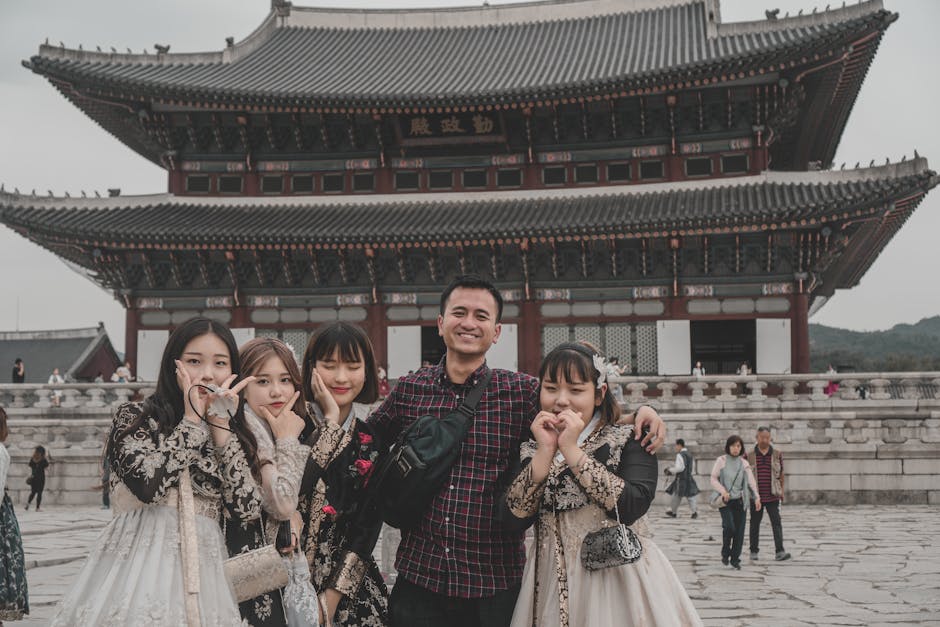
- Gyeongbokgung Palace offers free entry if you wear a hanbok (traditional Korean dress), which can be rented for ₩10,000–₩15,000 (~$7–$11) for a few hours.
- The National Museum of Korea in Seoul is free every day.
- Seoul Museum of Art and War Memorial of Korea have no entrance fee.
Smart Shopping and Souvenir Tips
Shopping in South Korea can be tempting, but it’s easy to overspend on trendy fashion, skincare, or electronics. Stick to your budget by focusing on local markets and avoiding tourist-heavy districts like Myeongdong for everyday items.
Best Budget Shopping Spots
- Dongdaemun Design Plaza (DDP): Open late, with wholesale fashion stores offering clothing from ₩5,000 (~$3.70).
- Namdaemun Market: One of the oldest markets in Korea, selling everything from kitchenware to souvenirs at negotiable prices.
- Lotte Department Store (discount basement): The F&B floor offers high-quality Korean snacks and beauty products at reduced prices, especially in the evening.
Souvenir Ideas Under $10
- Miniature hanok keychains (₩2,000–₩3,000)
- Traditional yo (wooden spoon) sets
- Korean tea in decorative tins
- Handmade soaps from Insadong shops
Seasonal Considerations and Travel Timing
The time of year you visit can significantly impact your budget. Peak seasons—spring (April–May) and autumn (September–October)—bring beautiful weather and festivals but also higher prices and crowds.
Best Times for Budget Travel
- Late autumn (November): Cool weather, fewer tourists, and lower accommodation rates.
- Winter (January–February): Ideal for budget travelers. Ski resorts may be busy, but cities are quiet and affordable. Plus, you can enjoy jjimdak (braised chicken) and hotteok (sweet pancakes) at street stalls.
- Early spring (March): Cherry blossoms begin to bloom, but prices haven’t peaked yet.
Avoid major holidays like Chuseok (Korean Thanksgiving) and Seollal (Lunar New Year), when transportation fills up and prices surge.
Packing and Practical Tips
Traveling light and prepared can save money and hassle. South Korea has excellent infrastructure, so you won’t need to carry much.
What to Bring
- Comfortable walking shoes—cities involve a lot of walking.
- A reusable water bottle—tap water is safe to drink.
- A portable Wi-Fi device or SIM card for navigation and translation.
- Cash in small denominations—many small vendors don’t accept cards.
Money-Saving Apps
- Naver Map: More accurate than Google Maps for public transit in Korea.
- KakaoMap: Real-time bus and subway updates.
- Klook or Trazy: Book discounted tickets for attractions and transport passes.
Budget Comparison: Daily Costs in South Korea
| Expense Category | Budget Traveler (per day) | Mid-Range Traveler (per day) |
|---|---|---|
| Accommodation | $15–$25 | $50–$100 |
| Food | $10–$15 | $25–$40 |
| Transportation | $5–$8 | $10–$15 |
| Attractions & Activities | $5–$10 | $15–$30 |
| Total (approx.) | $35–$58 | $100–$185 |
Final Tips for a Successful Budget Trip
To make the most of your budget travel guide to South Korea, plan ahead but stay flexible. Book accommodations and intercity transport in advance during peak seasons, but leave room for spontaneous discoveries—like a hidden temple or a local festival. Use public Wi-Fi in cafes and subway stations, and always carry a physical map as a backup.
Learn a few basic Korean phrases—locals appreciate the effort, and it can help you negotiate better prices at markets. Lastly, embrace the local pace: slow down, enjoy a hotteok on a winter evening, and let the rhythm of Korean life guide your journey.
FAQ
Is South Korea expensive for tourists?
No, South Korea can be very affordable with smart planning. Daily expenses for budget travelers range from $35 to $58, covering food, transport, and basic activities.
Do I need to speak Korean to travel there on a budget?
Not necessarily. Major cities have English signage, and translation apps work well. Learning basic phrases like “thank you” (gamsahamnida) and “how much?” (eolmayeyo?) helps in local interactions.
Can I use credit cards everywhere in South Korea?
Most large stores, restaurants, and hotels accept cards, but small vendors, street stalls, and rural areas often operate on cash. Always carry some Korean won.