
Budget Travel Guide to Spain for Affordable Trips
Traveling to Spain doesn’t have to drain your wallet. With smart planning and local insights, you can enjoy vibrant cities, stunning coastlines, and rich culture without overspending. This budget travel guide to Spain for affordable trips covers practical strategies, real cost comparisons, and insider tips to help you stretch your euros further. From affordable accommodations and low-cost transportation to free attractions and wallet-friendly meals, you’ll find everything needed to plan a memorable Spanish getaway on a budget.
Why Spain Is a Great Destination for Budget Travelers
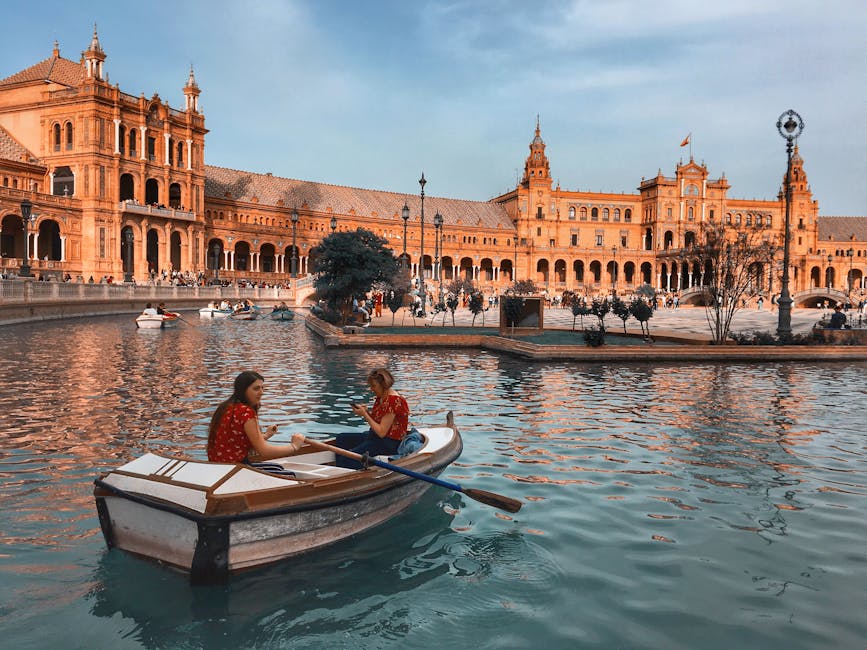
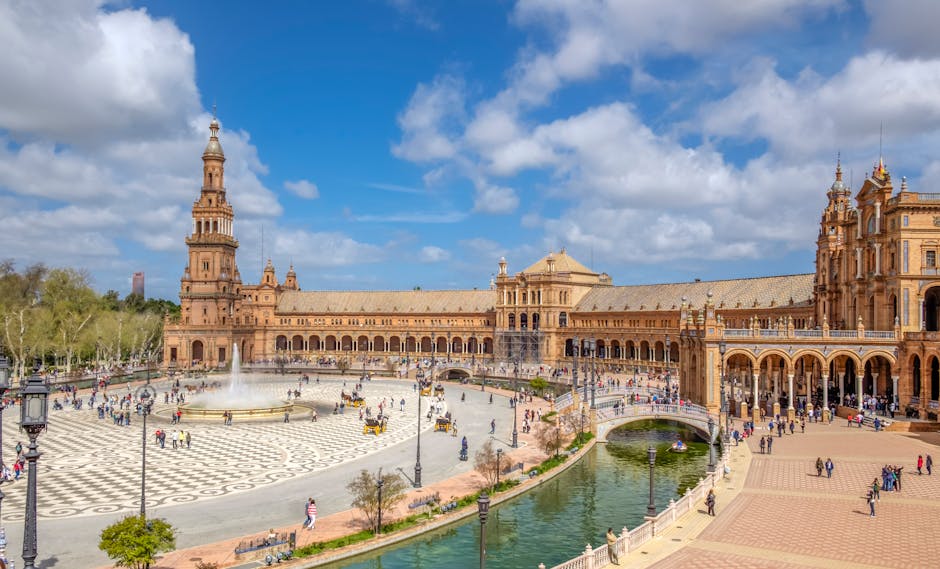
Spain consistently ranks among Europe’s most affordable major destinations. Compared to countries like France or Switzerland, daily expenses—especially food, public transit, and lodging—are significantly lower. The country offers diverse experiences: historic architecture in Seville, beach relaxation in Valencia, nightlife in Barcelona, and mountain hikes in the Pyrenees—all accessible without luxury prices. Additionally, Spain’s extensive rail network, regional bus systems, and walkable city centers make getting around both easy and economical.
Best Times to Visit for Lower Prices
Timing your trip right can slash costs dramatically. Peak tourist season runs from June to August, when prices for flights and hotels soar. Instead, consider traveling during shoulder seasons—April to early June or September to October. During these months, weather remains pleasant, crowds thin out, and many businesses offer mid-season discounts. Winter (November to March) is the cheapest time to visit, especially inland cities like Madrid and Toledo, though coastal areas may be quieter and some seasonal attractions closed.
Affordable Accommodation Options
Hotels aren’t your only option. Spain offers a range of budget-friendly stays:
- Hostels: Dorm beds start around €15–€25 per night in cities like Granada or Valencia. Many include free Wi-Fi, breakfast, and communal kitchens.
- Pensiones and guesthouses: Family-run lodgings often provide private rooms from €40–€60, with authentic local charm.
- Apartments via short-term rentals: Booking a studio for a week can be cheaper than nightly hotels, especially for groups or longer stays.
- Monastery stays: Yes, they exist! Several convents and monasteries offer simple, clean rooms from €30–€50, particularly in rural areas.
Avoid booking last-minute in major cities during festivals (like La Tomatina or San Fermín), as prices spike and availability drops.
Getting Around Spain on a Budget
Spain’s transportation network is efficient and affordable if used wisely.
Trains: Renfe and Regional Options
Renfe operates high-speed AVE trains, but they’re pricey if booked late. For budget travel, consider:
- Advance tickets: Book AVE routes 60 days ahead for fares as low as €20–€30.
- Regional and Cercanías trains: Slower but much cheaper for short distances (e.g., Madrid to Toledo for under €10).
- Bus alternatives: Companies like ALSA and FlixBus offer long-distance routes from €5–€15 if booked early.
City Transportation
Most Spanish cities are walkable, but public transit is affordable:
- Madrid and Barcelona offer multi-day travel passes (e.g., Madrid’s 10-trip ticket for €12.20).
- Buses and metro systems run frequently and cost €1.50–€2 per ride.
- Bike-sharing programs like BiciMAD in Madrid start at €5/day.
Eating Well Without Overspending
Spanish cuisine is delicious and inexpensive—if you know where to look.
Embrace the Menú del Día
From Monday to Friday, most restaurants offer a menú del día (daily menu) for €10–€15. This typically includes a starter, main course, dessert, bread, and a drink. It’s the best value meal you’ll find—and often features regional specialties.
Shop Like a Local
Visit neighborhood markets like Mercado de San Miguel in Madrid or La Boquería in Barcelona. Grab fresh fruit, jamón ibérico, cheese, and bread for a picnic lunch under €8. Supermarkets like Mercadona and Lidl offer quality groceries at low prices—perfect for self-catering.
Avoid Tourist Traps
Restaurants near major attractions (e.g., Plaza Mayor or Sagrada Família) often charge inflated prices for lower-quality food. Walk 5–10 minutes away from hotspots to find authentic, affordable eateries favored by locals.
Free and Low-Cost Attractions
Spain is rich in culture—and many experiences cost little or nothing.
Free Museum Days
Many national museums, including the Prado and Reina Sofía in Madrid, offer free entry during specific hours (e.g., evenings or Sundays). Check official websites before visiting.
Parks and Public Spaces
Enjoy green spaces like Park Güell in Barcelona (free zones available), Retiro Park in Madrid, or the Alhambra’s Generalife Gardens (partial access without ticket). These are perfect for relaxing, people-watching, or outdoor picnics.
Walking Tours
Free walking tours operate in most cities (tip-based). They provide historical context and local tips—often revealing hidden gems not in guidebooks.
Money-Saving Tips and Warnings
A few smart habits can prevent overspending:
- Use cash wisely: While cards are widely accepted, small vendors and rural areas may prefer cash. Avoid dynamic currency conversion at ATMs—choose to be charged in euros.
- Skip the tourist SIM cards: Buy a local SIM from Orange or Vodafone for cheaper data (€10–€20 for 10GB).
- Book tickets online: Many attractions (e.g., Sagrada Família, Alhambra) offer discounts for advance online purchases and skip-the-line access.
- Beware of pickpockets: Crowded areas like Las Ramblas or metro lines are hotspots. Use a money belt and stay alert.
Budget Comparison: Major Spanish Cities
Costs vary by city. Below is a snapshot of average daily expenses for a budget traveler (in euros):
| City | Accommodation (per night) | Meals (per day) | Local Transport (per day) | Attractions (per day) | Total (approx.) |
|---|---|---|---|---|---|
| Madrid | €35 | €20 | €3 | €5 | €63 |
| Barcelona | €40 | €22 | €4 | €8 | €74 |
| Valencia | €30 | €18 | €2 | €4 | €54 |
| Seville | €28 | €16 | €2 | €5 | €51 |
Note: Prices based on budget accommodations, local dining, and public transit. Excludes intercity travel.
Sample 7-Day Budget Itinerary
Here’s a realistic route covering culture, coast, and cuisine under €500 (excluding flights):
- Days 1–2: Madrid – Stay in Lavapiés (affordable, central). Visit Prado (free evenings), Retiro Park, and tapas in Malasaña. Use metro pass.
- Day 3: Day trip to Toledo – Take a €9 regional train. Explore cathedral and old town. Return same day.
- Days 4–5: Valencia – Bus from Madrid (€25). Stay near Mercado Central. Visit City of Arts and free beach areas.
- Days 6–7: Barcelona – Overnight bus (€20). Walk Gothic Quarter, free Park Güell zones, and enjoy menú del día.
Total estimated cost: €480 (accommodation, food, transport, attractions).
Final Thoughts
Spain offers incredible value for budget travelers willing to plan ahead and embrace local rhythms. By choosing off-peak times, eating where locals eat, using public transit, and prioritizing free experiences, you can enjoy a rich, authentic trip without financial stress. This budget travel guide to Spain for affordable trips proves that memorable adventures don’t require luxury spending—just smart choices.
FAQ
Is Spain safe for solo budget travelers?
Yes, Spain is generally safe, even for solo travelers. Stick to well-lit, populated areas at night, keep valuables secure, and avoid displaying expensive items. Hostels and guesthouses often have 24-hour reception and secure lockers.
Can I travel Spain without speaking Spanish?
Basic English is spoken in tourist areas, but learning a few Spanish phrases helps in rural regions and smaller towns. Download a translation app and carry a phrasebook for smoother interactions.
Are there budget-friendly beach destinations in Spain?
Absolutely. Costa Blanca (Alicante), Costa de la Luz (Cadiz), and the Balearic Islands (off-season) offer affordable beaches. Look for apartments or hostels near the coast and use local buses instead of taxis.