
Budget Travel Guide to Thailand for Backpackers
Thailand remains one of the most popular destinations for backpackers seeking affordable adventures, rich culture, and stunning landscapes. This Budget Travel Guide to Thailand for Backpackers offers practical advice on how to explore the country without overspending. From street food under 50 baht to overnight buses that cost less than a movie ticket, you can experience Thailand’s highlights on a shoestring budget. With smart planning, daily expenses can stay under $25–$35 USD, including accommodation, meals, transport, and activities. Whether you’re island-hopping in the south or trekking through northern hill tribes, this guide helps you stretch your baht while maximizing your experience.
Daily Budget Breakdown for Backpackers
Sticking to a budget in Thailand is not only possible—it’s part of the fun. Most backpackers find they can live comfortably on 800–1,200 baht per day ($22–$33 USD), depending on travel style and location. Here’s a realistic daily breakdown:
- Accommodation: 200–400 baht for dorm beds in hostels or budget guesthouses
- Food: 150–300 baht for three meals of authentic Thai street food
- Local Transport: 50–150 baht for songthaews, local buses, or short tuk-tuk rides
- Activities & Entry Fees: 100–300 baht for temple visits, museum entries, or basic tours
- Miscellaneous: 100–200 baht for SIM cards, snacks, or small souvenirs
In major tourist hubs like Bangkok, Chiang Mai, or Phuket, prices may rise slightly—especially in areas catering to foreigners. However, venturing just a few blocks away from main tourist zones often leads to significant savings.
Top Budget-Friendly Destinations
Thailand offers diverse experiences across its regions, each with unique appeal and cost structures. These destinations stand out for affordability and backpacker infrastructure:
Chiang Mai – The Cultural Hub of the North
Chiang Mai is a favorite among long-term travelers due to its low cost of living, strong expat community, and proximity to nature. Stay in the Nimmanhaemin or Old City areas for easy access to co-working spaces, affordable cafes, and night markets. Rent a scooter for 150–200 baht/day to explore Doi Suthep, nearby waterfalls, or hill tribe villages. Many temples, including Wat Phra Singh and Wat Chedi Luang, have minimal or no entry fees.
Bangkok – Big City, Small Budget
Thailand’s capital can be surprisingly affordable if you avoid tourist traps. Use the BTS Skytrain and MRT subway instead of taxis. Eat at local markets like Chatuchak or Pratunam, where meals cost 40–80 baht. Stay in hostels in areas like Khao San Road (for social vibes) or Sukhumvit (for convenience). Visit free attractions like Wat Arun at sunrise or explore the canals (khlongs) by rented kayak.
Koh Lanta – Relaxed Island Escape
Unlike the party-heavy islands of Koh Phi Phi or Phuket, Koh Lanta offers a quieter, more budget-conscious island experience. Beach bungalows start at 400–600 baht/night, and local warungs serve fresh seafood for under 100 baht. Rent a motorbike to explore Long Beach, Lanta Animal Welfare, or hidden coves. Ferries from Krabi or Trang are frequent and cost around 300–400 baht one-way.
Pai – The Bohemian Mountain Retreat
Tucked in the mountains near the Myanmar border, Pai is a laid-back town popular with digital nomads and hikers. Dorm beds go for 150–250 baht, and vegetarian-friendly cafes serve hearty meals for under 100 baht. Hot springs, canyon hikes, and waterfall treks are free or low-cost. The 3-hour minivan ride from Chiang Mai costs about 200 baht.
Money-Saving Tips for Backpackers
Stretching your budget in Thailand comes down to making smart choices. Here are proven strategies used by seasoned travelers:
- Eat where locals eat: Street food stalls and local markets offer the best value and most authentic flavors. Look for busy stalls with high turnover—food safety and freshness improve with volume.
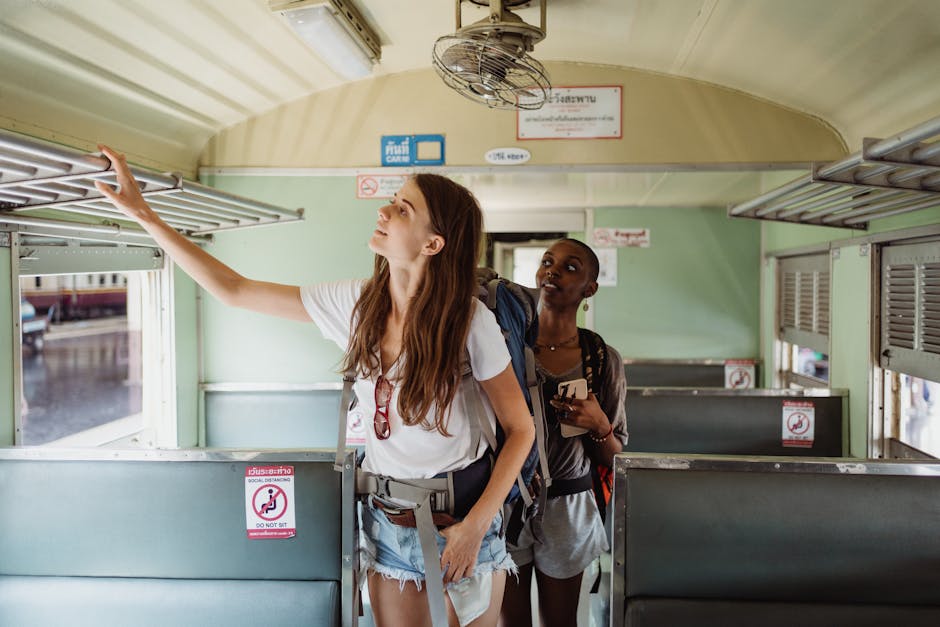
- Use public transport: Avoid taxis and ride-hailing apps when possible. Opt for buses, trains, or shared songthaews (pickup trucks with benches). Overnight sleeper trains from Bangkok to Chiang Mai or Surat Thani cost as little as 400 baht in third class.
- Negotiate politely: Haggling is expected at markets and for tuk-tuk rides. Start at 30–50% of the quoted price and settle at a fair midpoint. Always smile and stay respectful.
- Book accommodations directly: Many guesthouses offer discounts for walk-ins or direct bookings, especially in low season. Use platforms like Hostelworld or Booking.com to compare, but call ahead to confirm rates.
- Avoid tourist scams: Be cautious of overly friendly strangers offering “free” tours or gem deals. Stick to reputable operators for activities like scuba diving or trekking.
Affordable Accommodation Options
Thailand offers a wide range of budget lodging, from basic dorms to private bungalows. Here’s a quick comparison of common options:
| Type | Avg. Price/Night (THB) | Best For | Notes |
|---|---|---|---|
| Hostel Dorm Bed | 200–350 | Social travelers, solo backpackers | Common in cities and tourist areas; often include free Wi-Fi and breakfast |
| Guesthouse Private Room | 400–700 | Couples, small groups | Basic but clean; usually en-suite bathroom and fan or A/C |
| Beach Bungalow | 500–1,000 | Island travelers | Simple huts on or near the beach; electricity may be limited at night |
| Homestay | 300–600 | Cultural immersion | Stay with local families; meals often included |
Always check recent reviews before booking. In peak season (November–February), prices rise and availability drops—book at least a week ahead.
Getting Around Thailand on a Budget
Transportation can eat into your budget if not managed wisely. Here’s how to move efficiently and cheaply:
- Domestic Flights: Use budget airlines like AirAsia, Nok Air, or Thai VietJet for long distances. Book early for fares under 1,000 baht one-way (Bangkok to Chiang Mai or Phuket).
- Trains: The State Railway of Thailand offers comfortable, scenic, and affordable routes. Sleeper trains are ideal for overnight journeys. Book tickets online or at major stations.
- Buses: Government-run buses are cheaper than private companies but less comfortable. VIP buses with reclining seats cost more but are worth it for long trips.
- Ferries & Boats: Essential for island hopping. Book through your hostel or at the pier. Avoid last-minute bookings during holidays.
- Motorbike Rentals: Renting a scooter (150–250 baht/day) is economical for short island or rural travel. Always wear a helmet and ensure you have an international driving permit.
Food on a Budget: Eat Like a Local
One of the biggest joys of traveling in Thailand is the food—and it’s also one of the cheapest ways to eat well. Street food is not only affordable but often safer and more delicious than restaurant meals. A full meal can cost as little as 40–80 baht.
Must-try budget meals include:
- Pad Thai: Stir-fried noodles with egg, tofu, and shrimp—widely available and filling
- Khao Pad: Fried rice with vegetables and your choice of protein
- Som Tum: Spicy green papaya salad, popular in the northeast
- Mango Sticky Rice: Sweet dessert perfect for hot days
Drink plenty of bottled or filtered water. Avoid ice in rural areas unless you’re sure it’s made from purified water. Many hostels offer free filtered water stations.
Safety and Practical Tips
Thailand is generally safe for travelers, but a few precautions go a long way:
- Keep digital and physical copies of your passport and visa.
- Use ATMs inside banks to avoid skimming devices.
- Carry small bills (20s and 50s) for markets and transport.
- Respect local customs—dress modestly at temples and remove shoes before entering homes or sacred spaces.
- Check visa requirements based on your nationality. Many countries get 30-day visa-free entry.
Final Thoughts on Budget Travel in Thailand
Thailand rewards those who travel thoughtfully. With a solid plan and a willingness to embrace local life, you can enjoy an incredible journey without draining your savings. This Budget Travel Guide to Thailand for Backpackers emphasizes value, authenticity, and smart choices—so you spend less and experience more. Whether you’re sipping coconut water on a quiet beach or exploring ancient ruins at dawn, Thailand offers unforgettable moments at every price point.
FAQ
How much money do I need per day in Thailand as a backpacker?
Most backpackers can comfortably live on 800–1,200 baht ($22–$33 USD) per day, covering food, lodging, transport, and basic activities.
Is it safe to eat street food in Thailand?
Yes, street food is generally safe and delicious. Choose busy stalls with high turnover, and avoid raw vegetables or undercooked meat in remote areas.
Do I need a visa to travel to Thailand?
Citizens of many countries (including the US, UK, Australia, and most EU nations) can enter Thailand visa-free for up to 30 days. Check the latest requirements based on your passport.