Budget Travel Guide to Vietnam with Cost Saving Tips
Vietnam offers incredible value for budget travelers, with daily expenses often under $30 USD for food, transport, and lodging. This practical Budget Travel Guide to Vietnam with Cost Saving Tips covers how to stretch your dollar while experiencing bustling cities, serene countryside, and stunning coastlines. From street food to sleeper buses, we break down real costs and share proven strategies to help you travel longer and smarter across Vietnam without sacrificing comfort or authenticity.
Why Vietnam Is a Top Destination for Budget Travelers
Vietnam consistently ranks among the world’s most affordable travel destinations. Its low cost of living, efficient public transport, and abundance of local experiences make it ideal for travelers seeking value. Whether you’re backpacking through Hanoi, cruising Halong Bay, or exploring the Mekong Delta, your money goes far—especially when you follow smart spending habits.
Accommodation ranges from $5 dorm beds to $15 private rooms in guesthouses. Meals at local markets or family-run eateries cost $1–$3, and intercity buses between major cities start at $5. Even guided tours and activities remain reasonably priced, especially when booked locally rather than through international platforms.
Daily Budget Breakdown: What to Expect
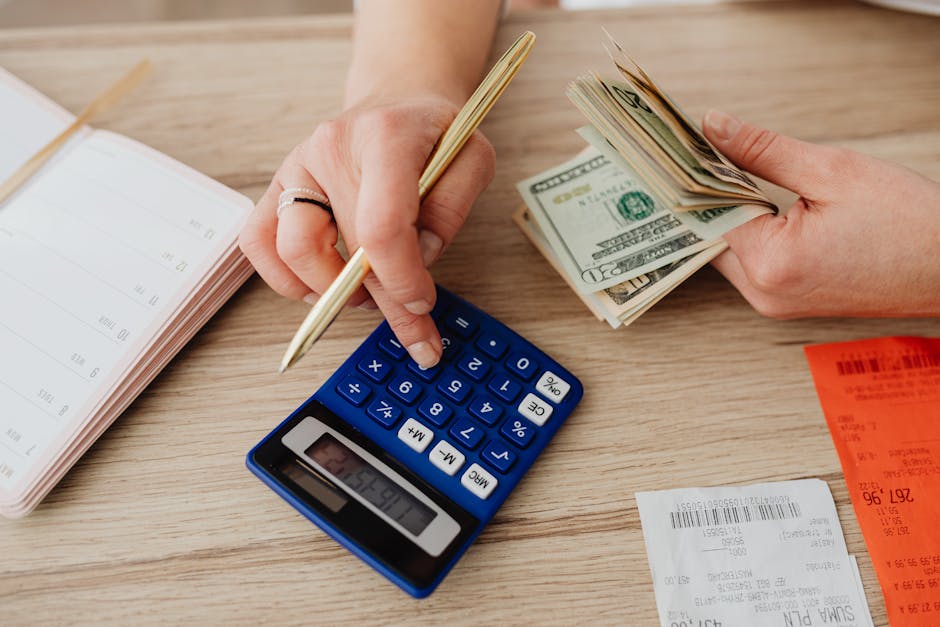
To help you plan, here’s a realistic daily budget for a frugal but comfortable trip:
| Expense Category | Low-Cost Option | Mid-Range Option |
|---|---|---|
| Accommodation (per night) | $5–$8 (hostel dorm) | $12–$20 (private room) |
| Food (3 meals) | $3–$5 (street food) | $6–$10 (local restaurants) |
| Local Transport | $1–$2 (motorbike rental or bus) | $3–$5 (Grab or taxi) |
| Intercity Travel | $5–$10 (sleeper bus) | $15–$30 (train or flight) |
| Activities & Sightseeing | $2–$5 (temples, parks) | $10–$25 (tours, entrance fees) |
With careful planning, you can comfortably travel Vietnam on $20–$25 per day. Mid-range travelers spending $35–$50 daily will enjoy greater comfort without overspending.
Top Cost-Saving Tips for Traveling in Vietnam
1. Eat Like a Local
Street food is not only delicious but extremely affordable. Dishes like pho, banh mi, and com tam cost between $1 and $2.50. Stick to busy stalls with high turnover—this ensures freshness and authenticity. Avoid tourist-heavy areas like Hoan Kiem Lake in Hanoi or Nguyen Hue Street in Ho Chi Minh City, where prices inflate.
Tip: Visit local markets such as Ben Thanh Market (HCMC) or Dong Xuan Market (Hanoi) for cheap snacks and fresh fruit. A mango or banana costs under $1.
2. Choose Budget Accommodation Wisely
Hostels and guesthouses dominate Vietnam’s budget scene. Look for places with free breakfast, Wi-Fi, and 24-hour reception. Booking platforms like Hostelworld or Agoda often offer discounts, but walking in without a reservation can yield better rates—especially in smaller towns like Hoi An or Nha Trang.
Avoid international hotel chains unless you have loyalty points. Family-run homestays in rural areas like Sapa or the Mekong Delta provide authentic experiences for $10–$15 per night, including meals.
3. Use Public and Shared Transport
Domestic flights can be cheap (e.g., Hanoi to Da Nang for $30–$50), but buses and trains are far more economical. Companies like The Sinh Tourist, Hanh Cafe, and Phuong Trang offer reliable sleeper buses with reclining seats for long journeys. A 7-hour trip from Hoi An to Hue costs around $8.
For shorter distances, rent a motorbike ($5–$7/day) or use Grab (Southeast Asia’s ride-hailing app), which is cheaper than taxis. Always agree on fares before boarding traditional xe om (motorbike taxis).
4. Book Tours and Activities Locally
Skip expensive online tour packages. Instead, book directly at local travel agencies once you arrive. A Halong Bay overnight cruise can cost $100+ online but drops to $60–$80 when booked in Hanoi or Halong City. Similarly, a day trip to the Cu Chi Tunnels from Ho Chi Minh City is half the price if arranged locally.
Negotiate politely but firmly. Many vendors expect haggling, especially for souvenirs or private guides.
5. Travel Off-Peak
Peak season (November to April) brings pleasant weather but higher prices and crowds. Consider traveling in shoulder months like May or September. You’ll find cheaper flights, fewer tourists, and better deals on accommodations. Just be aware of regional weather patterns—central Vietnam (Da Nang, Hoi An) can experience typhoons in October.
Regional Cost Differences: Where to Save More
Vietnam’s cost of living varies by region. Northern Vietnam (Hanoi, Sapa, Ha Giang) tends to be slightly more expensive than the south, but still very affordable. Central regions like Hoi An offer great value, while tourist hubs like Nha Trang and Phu Quoc have higher prices due to beachfront demand.
For maximum savings, consider spending more time in less-visited areas. Towns like Dong Hoi (gateway to Phong Nha caves) or Can Tho (Mekong Delta) offer authentic experiences at lower costs. A homestay in a floating village in Can Tho costs $12 and includes dinner and breakfast.
Packing and Preparation Tips to Avoid Extra Costs
Pack light to avoid baggage fees on budget airlines like VietJet or Jetstar. A 7kg carry-on is standard, but checked bags start at $15–$25 per flight. Bring a reusable water bottle with a filter—tap water isn’t safe to drink, but filtered refills are available at hostels and cafes for $0.20–$0.50.
Download offline maps (Google Maps or Maps.me) and translation apps (Google Translate) to avoid data roaming charges. Purchase a local SIM card at the airport (Viettel or Vinaphone) for $5–$10 with ample data.
Safety and Scam Awareness
Vietnam is generally safe for travelers, but scams do occur. Common ones include overcharging at taxis (always insist on the meter), fake tour operators, and “closed today” scams where touts redirect you to overpriced alternatives.
Use reputable transport companies and avoid unlicensed guides. If a deal seems too good to be true, it likely is. Keep copies of your passport and travel insurance details secure.
Final Thoughts: Stretch Your Budget Without Sacrificing Experience
A well-planned trip to Vietnam doesn’t require deep pockets. By eating local, staying in budget accommodations, using public transport, and booking activities on the ground, you can enjoy a rich, immersive experience on a tight budget. This Budget Travel Guide to Vietnam with Cost Saving Tips equips you with the knowledge to travel smart, spend wisely, and make the most of your journey through one of Southeast Asia’s most captivating countries.
FAQ
How much money do I need per day for budget travel in Vietnam?
You can comfortably travel Vietnam on $20–$25 per day by staying in hostels, eating street food, and using public transport. Mid-range travelers should budget $35–$50 daily for private rooms and occasional sit-down meals.
Is it safe to drink tap water in Vietnam?
No. Always drink bottled or filtered water. Many hostels and cafes offer free or low-cost filtered water refills. Avoid ice in rural areas unless you’re sure it’s made from purified water.
Can I negotiate prices in Vietnam?
Yes, especially for souvenirs, tours, and private transport. Polite haggling is expected in markets and with independent vendors. Start at 30–50% of the quoted price and negotiate calmly.