
Cambodia Travel Guide with Temples and Travel Tips
Planning a trip to Cambodia? This Cambodia travel guide with temples and travel tips covers the essentials for a smooth and enriching journey. From the iconic Angkor Wat to hidden jungle temples, Cambodia blends ancient history, cultural depth, and affordable travel. Whether you’re exploring for a few days or a few weeks, this guide offers practical advice on where to go, what to expect, and how to navigate the country respectfully and safely.
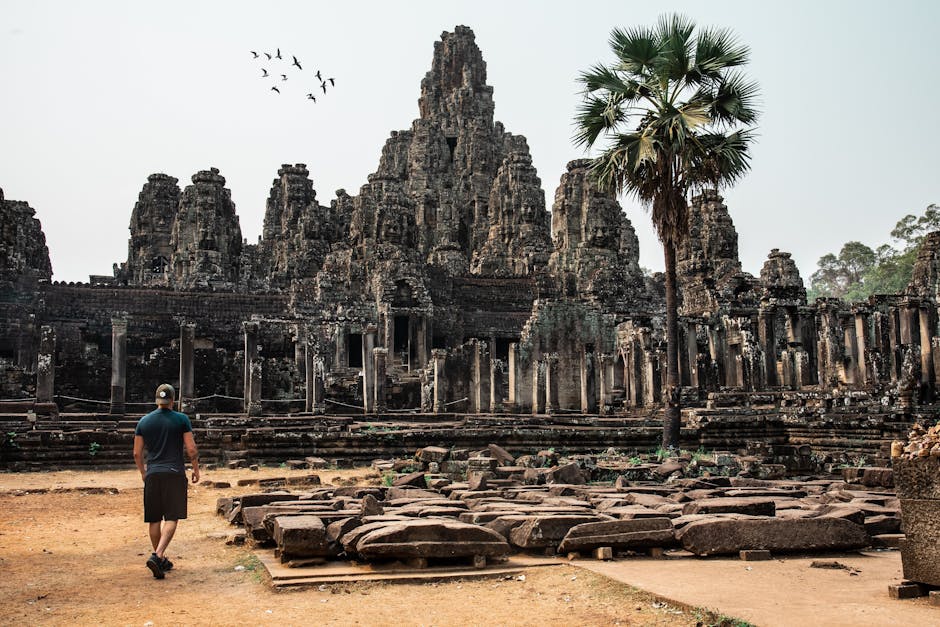
Why Visit Cambodia?
Cambodia offers a unique mix of awe-inspiring architecture, warm hospitality, and untouched landscapes. The country’s temple complexes—especially in Siem Reap—are among the most significant archaeological sites in Southeast Asia. Beyond the temples, you’ll find floating villages on Tonlé Sap Lake, pristine beaches in Sihanoukville and Koh Rong, and the vibrant capital of Phnom Penh, where history and modernity intersect.
Travel here is affordable, with budget accommodations, local meals under $3, and temple passes starting at $37 for one day. English is widely spoken in tourist areas, making navigation easier for international visitors.
Top Temples to Visit in Cambodia
No Cambodia travel guide with temples would be complete without highlighting the must-see sites. Most temples are located in the Angkor Archaeological Park near Siem Reap, a UNESCO World Heritage Site.
Angkor Wat
The crown jewel of Cambodian architecture, Angkor Wat is the largest religious monument in the world. Built in the 12th century as a Hindu temple dedicated to Vishnu, it later transformed into a Buddhist site. Arrive before sunrise to witness the temple’s silhouette glow against the morning sky—a truly unforgettable sight.
Angkor Thom and the Bayon Temple
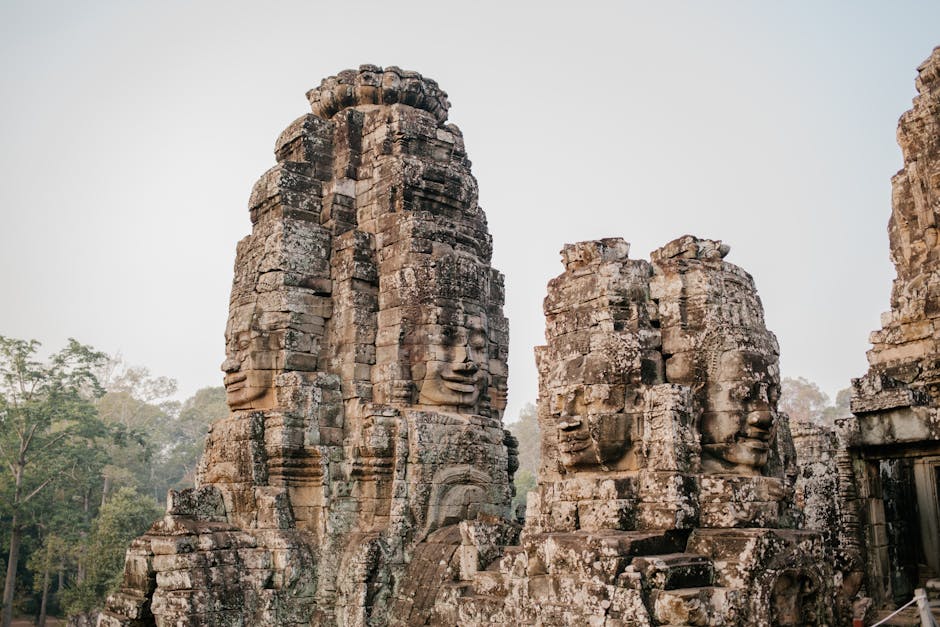
Located within the walled city of Angkor Thom, the Bayon Temple is famous for its 216 serene stone faces. The intricate bas-reliefs and towering central sanctuary make it one of the most photographed sites in Cambodia. Combine your visit with the nearby Terrace of the Elephants and the Terrace of the Leper King for a full morning of exploration.
Ta Prohm
Known as the “Tomb Raider Temple,” Ta Prohm remains largely unrestored, with massive tree roots snaking through its crumbling corridors. Made famous by the film Lara Croft: Tomb Raider, it offers a hauntingly beautiful glimpse into how nature reclaims ancient structures.
Banteay Srei
About 30 kilometers northeast of the main Angkor complex, Banteay Srei is renowned for its delicate pink sandstone carvings. Though smaller in scale, its intricate details and well-preserved state make it a favorite among photographers and history enthusiasts.
How to Get Around Cambodia
Transportation in Cambodia is varied and affordable, but planning ahead helps avoid delays.
- Domestic Flights: Fastest way to travel between major cities like Phnom Penh, Siem Reap, and Sihanoukville. Airlines such as Cambodia Angkor Air and Lanmei Airlines operate regular routes.
- Buses: Reliable and economical for intercity travel. Companies like Giant Ibis and Mekong Express offer air-conditioned coaches with reclining seats.
- Tuk-tuks: Ideal for short distances within cities. Always agree on a fare before departure, or use apps like PassApp for metered rides.
- Motorbike Rentals: Popular among backpackers, but only recommended if you’re experienced. Helmets are required by law, and road conditions can be unpredictable.
- Cycling: Great for exploring temple complexes at a slower pace. Many guesthouses in Siem Reap offer bike rentals.
Essential Travel Tips for Cambodia
A successful trip to Cambodia depends on preparation and cultural awareness. Here are key tips to keep in mind:
Best Time to Visit
The dry season, from November to March, is ideal for temple visits and outdoor activities. Temperatures are cooler, and rainfall is minimal. Avoid the hot season (April–May), when temperatures can exceed 40°C (104°F), and the rainy season (June–October), which can cause flooding and muddy trails.
Visa Requirements
Most travelers need a visa to enter Cambodia. You can obtain a tourist visa online via the official e-Visa portal or on arrival at major airports and land borders. The e-Visa costs $36 and is valid for 30 days. Ensure your passport has at least six months’ validity and one blank page.
Dress Code and Temple Etiquette
Respect local customs when visiting temples. Shoulders and knees must be covered—no sleeveless tops, shorts, or revealing clothing. Remove hats and shoes when entering certain areas. Photography is generally allowed, but avoid using flash or drones without permission.
Currency and Payments
The official currency is the Cambodian riel (KHR), but the US dollar is widely accepted—even for small purchases. Keep small bills (especially $1 and $5) for markets, tuk-tuks, and tips. ATMs are available in cities, but carry cash when traveling to rural areas.
Health and Safety
Drink only bottled or filtered water to avoid stomach issues. Use mosquito repellent to reduce the risk of dengue and malaria, especially in rural regions. Travel insurance is strongly recommended. While Cambodia is generally safe, be cautious with valuables in crowded areas and avoid walking alone at night in unfamiliar neighborhoods.
Temple Passes and Entry Fees
Access to the Angkor Archaeological Park requires a valid pass. Prices are fixed and must be purchased in person at the official ticket office near Siem Reap. Passes are non-transferable and require a photo.
| Pass Type | Validity | Price (USD) | Best For |
|---|---|---|---|
| 1-Day Pass | 1 day | 37 | Short visits, sunrise at Angkor Wat |
| 3-Day Pass | 10 days (non-consecutive) | 62 | Most travelers, allows multiple temple days |
| 7-Day Pass | 30 days (non-consecutive) | 72 | Long-term stays, in-depth exploration |
Where to Stay in Cambodia
Accommodation ranges from budget guesthouses to luxury resorts. Siem Reap offers the widest selection, with options near the Old Market and Pub Street. In Phnom Penh, riverside hotels provide easy access to the Royal Palace and National Museum. For beach lovers, Sihanoukville and Koh Rong offer seaside bungalows and boutique hotels.
Book in advance during peak season (December–February) to secure better rates and availability.
Local Food to Try
Cambodian cuisine is flavorful and diverse, with influences from Thai, Vietnamese, and French cooking. Must-try dishes include:
- Amok: A creamy coconut curry steamed in banana leaves, usually with fish or chicken.
- Lok Lak: Stir-fried beef with pepper, served with rice and a tangy lime sauce.
- Nom Banh Chok: Rice noodles in a fish-based green curry, often eaten for breakfast.
- Fresh Spring Rolls: Light and healthy, filled with herbs, shrimp, and rice vermicelli.
Street food is safe in busy areas—look for stalls with high turnover and clean preparation.
Final Thoughts
This Cambodia travel guide with temples and travel tips aims to help you plan a meaningful and hassle-free journey. From marveling at ancient stone carvings to enjoying local flavors, Cambodia rewards thoughtful travelers with unforgettable experiences. Respect the culture, stay prepared, and embrace the pace of life—you’ll leave with stories worth sharing.
FAQ
Do I need a visa to visit Cambodia?
Yes, most travelers need a visa. You can apply online for an e-Visa or get one on arrival at major entry points. The e-Visa costs $36 and is valid for 30 days.
Is it safe to drink tap water in Cambodia?
No, avoid tap water. Drink only bottled or filtered water to prevent stomach illness.
Can I visit Angkor Wat without a guide?
Yes, self-guided tours are allowed. However, hiring a local guide enhances your experience with historical context and hidden insights.