Cheap Travel Tips for Beginners Planning First Trip
Planning your first trip can feel overwhelming, especially when you’re on a tight budget. The good news? With smart strategies and a bit of research, you can explore new places without draining your savings. This guide covers practical, proven cheap travel tips for beginners planning their first trip—from booking flights and accommodations to saving on food and activities. Whether you’re heading to a nearby city or an international destination, these steps will help you travel affordably and confidently.
Start with a Realistic Budget
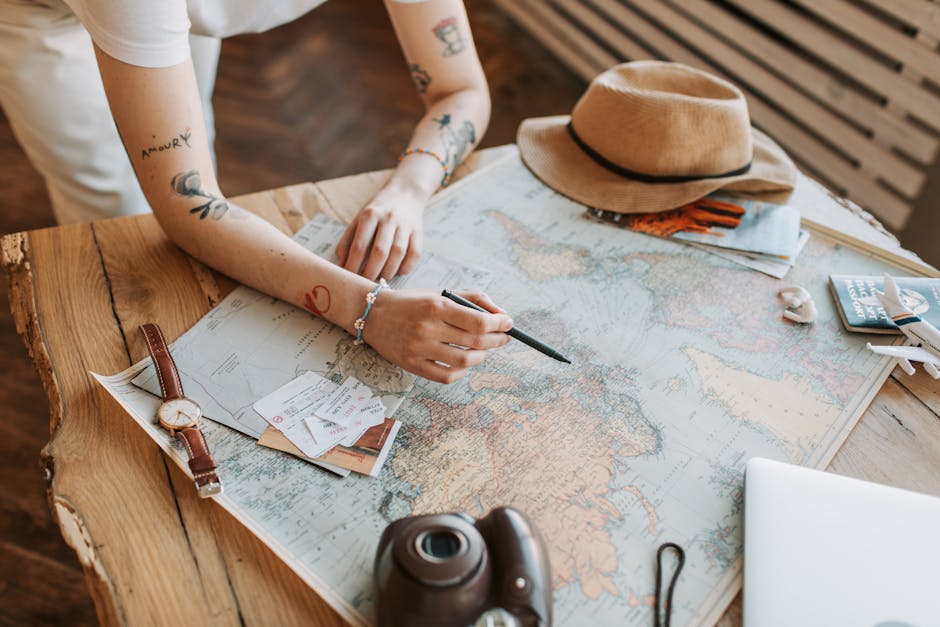
Before booking anything, determine how much you can realistically spend. Break your budget into categories: transportation, lodging, food, activities, and emergency funds. A common mistake beginners make is underestimating daily expenses. For example, a $50 daily food budget might work in Southeast Asia but fall short in Western Europe. Use free budgeting tools like Google Sheets or apps like Trail Wallet to track costs as you plan.
Set a Daily Spending Limit
Once you have a total budget, divide it by the number of travel days to set a daily limit. Include everything—meals, transit, attractions, and souvenirs. Sticking to this limit helps prevent overspending. If you’re traveling for 10 days with a $1,000 budget, aim for $100 per day. Adjust based on your destination’s cost of living.
Book Flights Strategically
Airfare often takes the biggest bite out of a travel budget. To find the best deals, be flexible with dates and destinations. Use fare comparison sites like Google Flights, Skyscanner, or Momondo to track price trends. Flying mid-week (Tuesday or Wednesday) is typically cheaper than weekend flights. Also, consider nearby airports—sometimes driving an extra hour to a regional airport saves hundreds.
Set Price Alerts
Most flight search engines allow you to set price alerts for specific routes. Enable these alerts and monitor prices for 1–2 weeks before booking. If prices drop significantly, you’ll be notified immediately. Avoid booking too early or too late—research shows the sweet spot for domestic flights is 1–3 months in advance.
Choose Affordable Accommodations
Lodging doesn’t have to mean luxury hotels. Budget-friendly options like hostels, guesthouses, and vacation rentals offer comfort at a fraction of the cost. Platforms like Hostelworld, Booking.com, and Airbnb let you filter by price, location, and guest ratings. Staying slightly outside the city center often means lower rates and quieter surroundings.
Consider Alternative Stays
For longer trips, look into house-sitting, work exchanges, or couchsurfing. Websites like TrustedHousesitters or Workaway connect travelers with hosts offering free lodging in exchange for light work. These options not only save money but also provide local insights and authentic experiences.
Save on Food Without Sacrificing Experience
Eating out for every meal adds up quickly. Instead, mix restaurant meals with self-cooked or street food options. In many destinations, local markets and food stalls serve delicious, authentic dishes at low prices. For example, a bowl of pho in Hanoi costs under $2, while a similar meal in a tourist restaurant might be $10.
Cook When Possible
If your accommodation has a kitchen, buy groceries and prepare simple meals. Even cooking just breakfast and dinner can cut food costs by 40–50%. Visit local supermarkets or farmers’ markets for fresh, affordable ingredients. In cities like Bangkok or Lisbon, grocery shopping is both cheap and culturally enriching.
Use Public Transportation
Taxis and ride-sharing apps are convenient but expensive over time. Public transit—buses, subways, trams—is far more economical and often just as efficient. Many cities offer day passes or tourist cards that include unlimited rides and discounts on attractions. For instance, the Paris Visite pass gives access to metro, buses, and RER trains, plus reduced entry to museums.
Walk or Bike When Feasible
In compact cities like Prague or Amsterdam, walking or renting a bike is not only free (or very low-cost) but also the best way to explore. Many hostels and hotels offer free bike rentals. Just remember to lock your bike securely and follow local traffic rules.
Find Free or Low-Cost Activities
You don’t need to pay for every experience. Many cities offer free walking tours, museum free-entry days, and public parks. Check tourism board websites or apps like Meetup for local events. In London, for example, world-class museums like the British Museum and Tate Modern are completely free.
Use City Tourism Cards
Tourist cards bundle transportation, attractions, and discounts into one upfront cost. Compare the card’s price against what you’d pay individually. If you plan to visit three paid attractions and use public transit daily, the card is likely worth it. The Berlin WelcomeCard, for instance, offers savings of up to 50% on major sights.
Pack Smart to Avoid Extra Fees
Many budget airlines charge high fees for checked bags. To avoid these, pack light and stick to a carry-on. Use packing cubes to organize clothes and maximize space. Wear your bulkiest items—like boots or a jacket—on travel days. A well-packed carry-on not only saves money but also reduces stress at the airport.
Bring Reusable Essentials
Carry a reusable water bottle, utensils, and a shopping bag. Refilling water bottles at public fountains or filtered stations saves money and reduces plastic waste. In countries like Japan or Germany, tap water is safe to drink and widely available.
Protect Yourself with Travel Insurance
While it may seem like an extra cost, travel insurance can save you thousands in emergencies. Look for policies that cover trip cancellations, medical expenses, and lost luggage. Compare plans on sites like InsureMyTrip or Squaremouth. Even a basic plan is better than none—especially for international trips.
Compare Budget Travel Options
Not all budget choices are equal. The table below compares common money-saving strategies based on cost, convenience, and suitability for first-time travelers.
| Option | Average Daily Cost | Best For | Beginner-Friendly? |
|---|---|---|---|
| Hostel (dorm bed) | $15–$30 | Solo travelers, social stays | Yes |
| Vacation rental (shared) | $25–$50 | Groups, longer stays | Yes |
| Public transit pass | $5–$15 | City exploration | Yes |
| Free walking tour | $0–$10 (tip-based) | Cultural introduction | Yes |
| Street food meals | $3–$8 per meal | Authentic local taste | Yes (with caution) |
Final Tips for First-Time Travelers
Start small. Your first trip doesn’t need to be a two-week European tour. A long weekend in a nearby city can build confidence and help you refine your budgeting and planning skills. Keep a travel journal to note what worked and what didn’t—this will make future trips even smoother.
Always have a backup plan. Delays, cancellations, and unexpected expenses happen. Keep digital and physical copies of important documents, and store emergency contacts in your phone. Let someone back home know your itinerary.
Lastly, embrace flexibility. The best travel experiences often come from unplanned moments—a chance conversation with a local, a hidden café, or a sudden rainstorm that leads to a cozy bookstore. Sticking too rigidly to a plan can cost more and limit discovery.
FAQ
How far in advance should I book my first trip?
For most destinations, booking 1–3 months in advance offers the best balance of availability and price. Flights and popular accommodations fill up quickly, especially during peak seasons.
Is it safe to stay in hostels as a beginner?
Yes, hostels are generally safe and welcoming to first-time travelers. Choose highly rated ones with 24-hour reception, lockers, and good reviews on trusted platforms. Always lock your belongings and trust your instincts.
Can I travel cheaply without sacrificing comfort?
Absolutely. Comfort doesn’t require luxury. Clean hostels, well-reviewed guesthouses, and smart packing can provide a comfortable experience at a low cost. Prioritize safety, location, and basic amenities over extras like pools or room service.
With these cheap travel tips for beginners planning their first trip, you’re ready to explore the world without overspending. Focus on value, stay flexible, and remember: the best journeys are measured in memories, not money.