
Cheapest Cities to Visit in Europe for Budget Travel
Traveling through Europe doesn’t have to drain your wallet. Some of the continent’s most affordable destinations offer rich history, vibrant culture, and authentic local experiences—all at a fraction of the cost of Western European capitals. The cheapest cities to visit in Europe for budget travel include places like Budapest, Kraków, Lisbon, and Sofia, where daily expenses can stay under €50 per person. Whether you’re exploring ancient architecture, enjoying street food, or using efficient public transit, these cities deliver value without sacrificing quality. This guide highlights top low-cost destinations, compares daily travel costs, and offers practical tips to stretch your budget further.
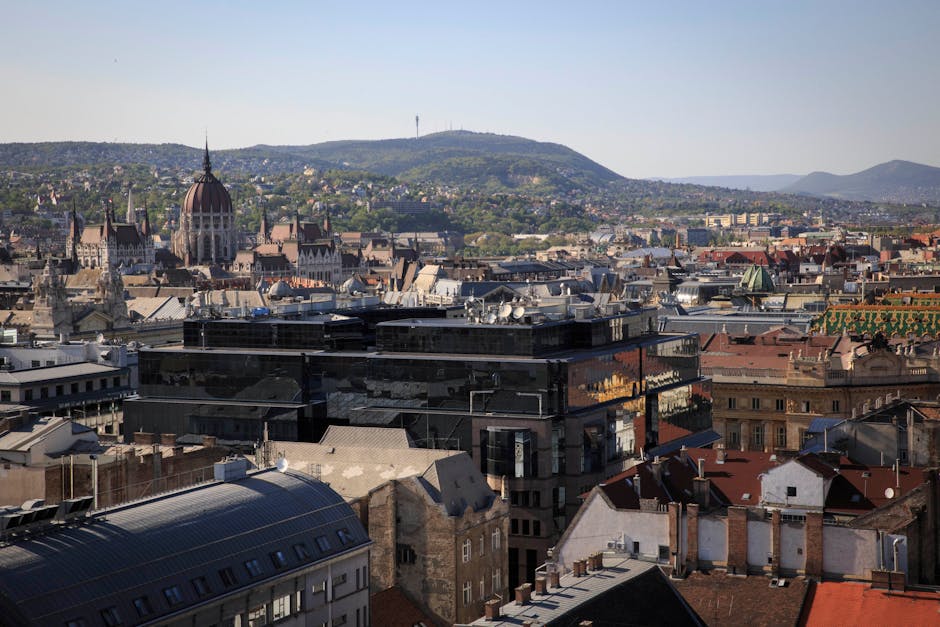
Why Choose Budget-Friendly European Cities?
Europe is often associated with high prices, but many cities remain surprisingly affordable—especially in Central and Eastern Europe. Lower costs for accommodation, meals, and attractions mean travelers can extend their stays, experience more, and enjoy greater flexibility. These destinations also tend to be less crowded than tourist hotspots like Paris or Amsterdam, offering a more relaxed pace and authentic local interactions.
Choosing budget-friendly cities doesn’t mean compromising on safety, cleanliness, or cultural depth. In fact, many of these locations rank high on traveler satisfaction surveys. With smart planning, you can enjoy world-class museums, scenic river walks, and traditional cuisine while keeping daily spending minimal.
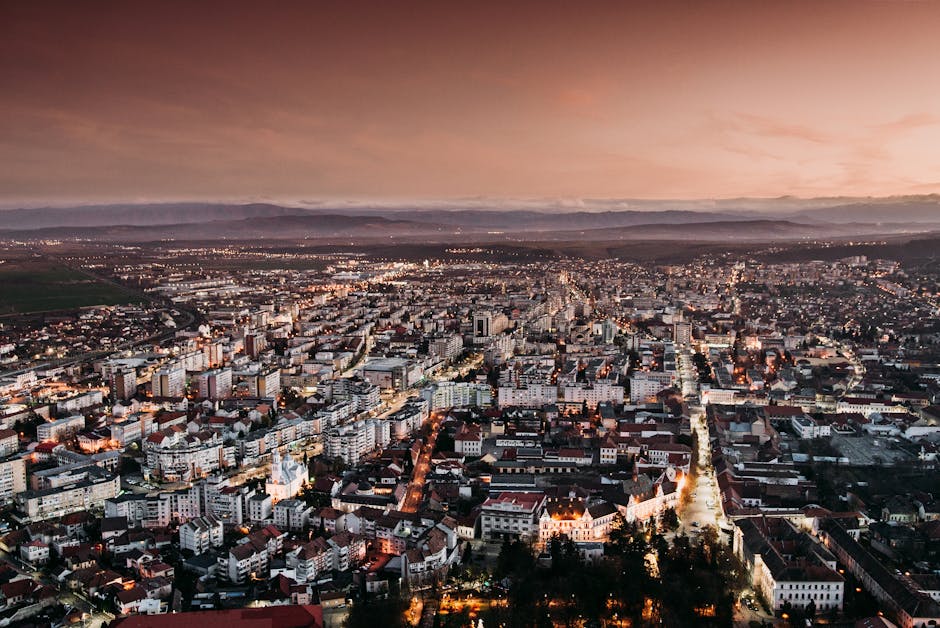
Top 8 Cheapest Cities to Visit in Europe for Budget Travel
Here are eight standout European cities where your money goes the furthest. Each offers a unique blend of affordability, culture, and convenience.
1. Budapest, Hungary
Budapest combines grand architecture with low prices. Stay in a centrally located hostel for under €15 per night, or rent a private room for around €25. Public transport is efficient and costs just a few euros per day. Don’t miss the Széchenyi Thermal Baths—entry is under €20, and locals frequent them daily. A three-course meal at a mid-range restaurant costs around €12.
2. Kraków, Poland
Poland’s cultural capital is both historic and affordable. Accommodation ranges from €12–€20 per night for a shared room. The Old Town is compact and walkable, with free entry to many churches and squares. Try pierogi (dumplings) for under €5 at a local milk bar. Day trips to Auschwitz or the Wieliczka Salt Mine are well-organized and reasonably priced.
3. Lisbon, Portugal
While Western Europe’s prices are rising, Lisbon remains accessible. Budget hostels start at €18, and public trams and buses cost €3 for a day pass. Enjoy fresh seafood and pastéis de nata (custard tarts) for under €10. Explore the Alfama district on foot and take advantage of free walking tours. Day trips to Sintra are easy and affordable by train.
4. Sofia, Bulgaria
One of Europe’s most underrated capitals, Sofia offers excellent value. Accommodation averages €15–€25 per night. Meals at local taverns cost €5–€8, and public transport is cheap and reliable. Visit the Alexander Nevsky Cathedral and Vitosha Mountain—both free or low-cost. English is widely spoken, making navigation easy for travelers.
5. Porto, Portugal
Porto is often cheaper than Lisbon and equally charming. Stay near the Ribeira district for under €20 per night. Sample port wine at local cellars for as little as €3 per tasting. The Douro River cruise costs around €10, and many museums offer free entry on the first Sunday of the month.
6. Belgrade, Serbia
Belgrade offers a lively nightlife and rich history at budget prices. Hostels cost €10–€15, and a full meal with drink is under €10. Explore Kalemegdan Fortress (free entry) and stroll along the Danube. Public transport is affordable, and taxis are reasonably priced for short rides.
7. Tallinn, Estonia
Though slightly pricier than others on this list, Tallinn remains affordable compared to Nordic capitals. Stay in the Old Town for €25–€35 per night. Many attractions, like Toompea Hill and St. Olaf’s Church, are free or low-cost. Public transport includes a free network for registered visitors staying over 24 hours.
8. Sarajevo, Bosnia and Herzegovina
Sarajevo blends Ottoman, Austro-Hungarian, and Yugoslav influences at very low costs. Accommodation starts at €12, and a hearty meal costs under €6. Visit the Baščaršija bazaar and the Tunnel of Hope museum. English signage is common, and locals are welcoming to tourists.
Daily Budget Comparison: What to Expect
To help you plan, here’s a quick comparison of average daily costs in these cities. Prices include budget accommodation, three meals, local transport, and one paid attraction.
| City | Accommodation (per night) | Meals (3 per day) | Transport (daily) | Attraction (avg.) | Total Daily Estimate |
|---|---|---|---|---|---|
| Budapest | €15 | €12 | €3 | €8 | €38 |
| Kraków | €14 | €10 | €2 | €7 | €33 |
| Lisbon | €20 | €15 | €3 | €10 | €48 |
| Sofia | €18 | €9 | €2 | €6 | €35 |
| Porto | €19 | €14 | €3 | €9 | €45 |
| Belgrade | €13 | €11 | €2 | €7 | €33 |
| Tallinn | €28 | €16 | €4 | €12 | €60 |
| Sarajevo | €12 | €8 | €2 | €5 | €27 |
Note: Prices are approximate and based on mid-2024 exchange rates. Costs may vary by season and personal spending habits.
Tips to Maximize Your Budget in Europe
Even in the cheapest cities, smart habits can stretch your funds further. Here’s how:
- Travel off-season: Visit between November and March (excluding holidays) for lower prices and fewer crowds. Many attractions remain open, and weather is still manageable in southern and coastal cities.
- Use public transport: Avoid taxis and ride-sharing. Most budget cities have reliable buses, trams, and metro systems. Consider multi-day passes for savings.
- Eat like a local: Skip tourist restaurants. Look for neighborhood cafes, markets, and street food. In Budapest, try lángos; in Kraków, zapiekanka.
- Book accommodations with kitchens: Even a small fridge and stove let you prepare simple meals and save significantly.
- Take advantage of free activities: Many cities offer free walking tours, museum free-entry days, and public parks or beaches.
- Use city tourism cards: Cards like the Budapest Card or Lisbon Card include transport and discounted entry to attractions. Calculate whether the savings justify the cost.
What to Watch Out For
While budget travel in Europe is generally safe and straightforward, a few pitfalls can inflate costs unexpectedly:
- Hidden fees in hostels: Some budget accommodations charge extra for towels, Wi-Fi, or luggage storage. Read reviews and check policies before booking.
- Currency exchange scams: Avoid exchanging money at airports or unlicensed kiosks. Use ATMs affiliated with major banks or withdraw directly in local currency.
- Overpriced tourist zones: Restaurants and shops near major attractions often charge premium prices. Walk a few blocks away for better deals.
- Peak season surges: Summer and holiday periods can double prices in otherwise affordable cities. Book early and stay flexible with dates.
Final Thoughts
The cheapest cities to visit in Europe for budget travel prove that affordability and adventure go hand in hand. From the thermal baths of Budapest to the cobbled streets of Sarajevo, these destinations offer rich experiences without the high price tag. With careful planning and realistic expectations, you can explore multiple countries on a modest budget. Focus on local culture, use public transit, and prioritize value over luxury to make the most of your European journey.
FAQ
What is the cheapest city in Europe for a week-long trip?
Sarajevo, Bosnia and Herzegovina, is often the most affordable for a full week, with daily costs averaging under €30. Accommodation, food, and attractions are all low-cost, and the city is compact and walkable.
Are budget cities in Europe safe for solo travelers?
Yes, most cities on this list—including Kraków, Budapest, and Lisbon—are considered safe for solo travelers. Stick to well-lit, populated areas at night, keep valuables secure, and trust your instincts.
Do I need to speak the local language to get by?
Not necessarily. English is widely spoken in tourist areas, especially among younger locals and service staff. Learning a few basic phrases in the local language, however, is always appreciated and can enhance your experience.