
Exploring Egypt Travel Guide with Pyramids and Nile Tour
An Egypt travel guide centered on the Pyramids and a Nile River tour offers the perfect blend of ancient wonder and cultural immersion. This comprehensive itinerary covers must-see sites like the Giza Plateau, Luxor’s Valley of the Kings, and a multi-day cruise along the Nile. Whether you’re planning a 7-day classic route or a 10-day extended journey, this guide provides practical advice on timing, accommodations, local customs, and how to avoid common travel pitfalls. From sunrise visits to the Great Pyramid to felucca rides at Aswan, you’ll experience Egypt’s timeless allure with confidence and clarity.
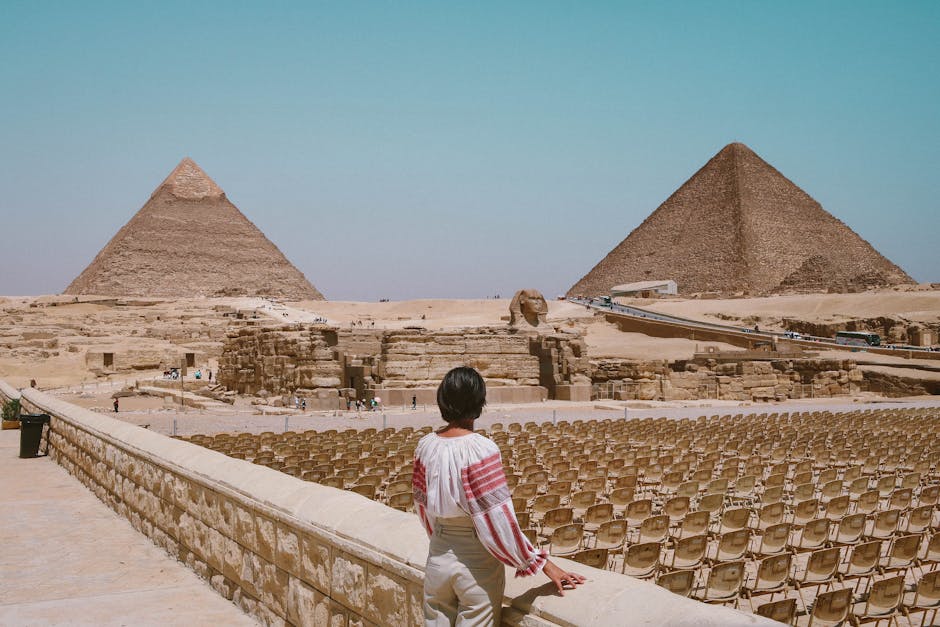
Why Choose an Egypt Tour Focused on the Pyramids and Nile?
Egypt’s most iconic experiences revolve around two central themes: the ancient pyramids and the life-giving Nile River. The Pyramids of Giza, one of the Seven Wonders of the Ancient World, stand as enduring symbols of architectural mastery and royal ambition. Meanwhile, the Nile—flowing over 4,000 miles through desert landscapes—has sustained civilizations for millennia. A well-structured tour that combines both elements offers a balanced journey through history, nature, and local life.
Most travelers begin in Cairo, where the Pyramids and the Sphinx dominate the skyline. From there, domestic flights or overnight trains connect to Luxor and Aswan, the gateway cities for Nile cruises. This route allows you to move efficiently between key sites while minimizing backtracking. A typical 8–10 day itinerary includes Cairo, a 3–4 night Nile cruise, and time in Aswan or Abu Simbel, depending on your interests.
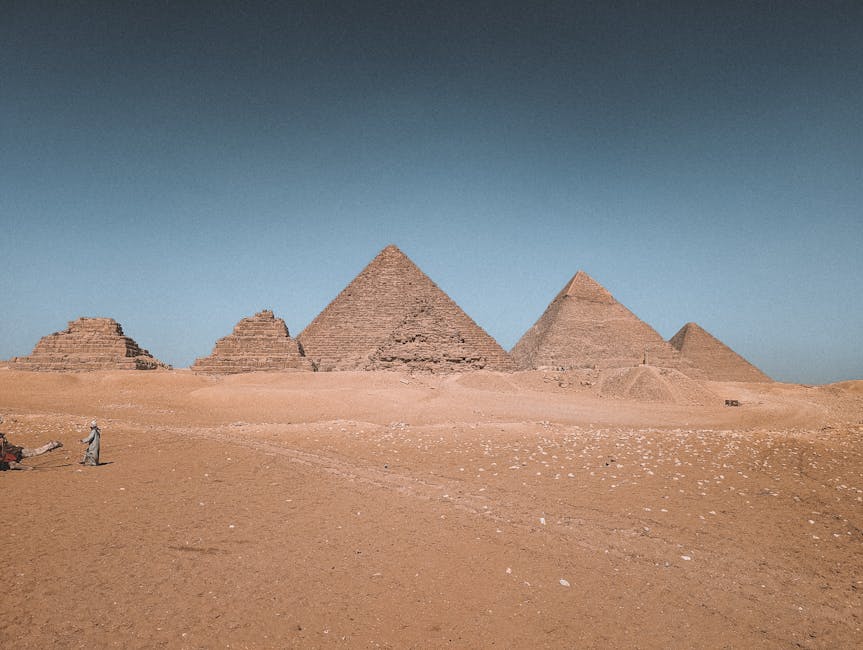
Top Destinations on a Pyramids and Nile Tour
The Pyramids of Giza and the Sphinx
No Egypt travel guide is complete without the Pyramids of Giza. Built over 4,500 years ago, the Great Pyramid of Khufu remains the only surviving wonder of the ancient world. Visitors can enter the pyramid (additional fee applies), though space is limited and the climb is steep. Early morning visits are recommended to avoid crowds and heat. The adjacent Solar Boat Museum and the panoramic viewpoint near the Sphinx offer excellent photo opportunities.
Tip: Hire a licensed guide at the site entrance for accurate historical context. Unofficial “guides” may overcharge or provide misleading information.
The Nile River Cruise: Luxor to Aswan
A Nile cruise is the classic way to experience Egypt’s riverine heritage. Most cruises run between Luxor and Aswan, stopping at key temples and archaeological sites. The journey typically includes:
- Karnak Temple Complex – One of the largest religious sites in the world
- Valley of the Kings – Burial site of pharaohs like Tutankhamun
- Temple of Hatshepsut – A striking mortuary temple carved into cliffs
- Edfu Temple – Best-preserved cult temple in Egypt
- Kom Ombo Temple – Unique dual dedication to Sobek and Horus
- Aswan High Dam and Philae Temple – Engineering and religious significance
Cruises range from budget-friendly 3-star boats to luxury 5-star vessels with spas and fine dining. Most include guided excursions, meals, and onboard entertainment. Opt for a 4-night cruise to allow full exploration without feeling rushed.
Abu Simbel (Optional Extension)
For those with extra time, a day trip to Abu Simbel is highly recommended. The twin temples, carved into sandstone cliffs during Ramses II’s reign, were relocated in the 1960s to avoid flooding from the Aswan Dam. The early morning flight from Aswan (about 30 minutes) is the most convenient option. Alternatively, an overnight bus or organized tour allows you to see the temples illuminated at sunrise—a breathtaking sight.
Planning Your Itinerary: Step-by-Step
To make the most of your Egypt trip, follow this practical planning sequence:
- Decide on trip duration: 7–10 days is ideal for first-time visitors.
- Book international flights to Cairo: Arrive at least one day before your Nile cruise begins.
- Arrange domestic travel: Book flights from Cairo to Luxor and return from Aswan to Cairo. Overnight sleeper trains are a budget alternative.
- Reserve your Nile cruise: Book in advance, especially during peak season (October–April).
- Schedule guided tours: Pre-book visits to the Pyramids, Valley of the Kings, and Abu Simbel to secure entry and avoid lines.
- Prepare travel documents: Ensure your passport is valid for six months and obtain an e-visa online before departure.
What to Expect: Costs, Timing, and Practical Tips
Travel costs in Egypt vary widely based on season and travel style. Budget travelers can manage on $40–60 per day, while mid-range tours with cruises and guides average $100–150 daily. Peak season (November–February) offers pleasant weather but higher prices and larger crowds. Shoulder months (March–April, September–October) provide a good balance of comfort and value.
Pack lightweight, breathable clothing, a wide-brimmed hat, and sturdy walking shoes. Sun protection is essential—UV exposure is intense, especially near reflective sand and water. Drink bottled water and avoid raw vegetables to prevent stomach upset.
Comparison of Nile Cruise Options
| Feature | Budget Cruise (3-star) | Mid-Range Cruise (4-star) | Luxury Cruise (5-star) |
|---|---|---|---|
| Cabin Quality | Basic, shared facilities | Private bathroom, air conditioning | Spacious suites, balcony, minibar |
| Dining | Buffet-style, limited choices | International and Egyptian cuisine | Gourmet meals, à la carte options |
| Excursions | Group tours, fixed schedule | Small groups, flexible timing | Private guides, customized visits |
| Price Range (4-night) | $300–$500 | $600–$1,000 | $1,200–$2,500 |
Cultural Etiquette and Travel Warnings
Respect for local customs enhances your experience and ensures smooth interactions. Dress modestly when visiting religious sites—cover shoulders and knees. Remove shoes before entering mosques. While photography is allowed in most areas, avoid taking pictures of military installations or police, which can lead to serious complications.
Tipping (baksheesh) is customary. Small bills should be carried for guides, drivers, and restroom attendants. Negotiate prices for souvenirs in markets, but do so politely. Avoid public displays of affection, which are frowned upon in conservative areas.
Stay informed about local conditions. While tourist areas are generally safe, check government travel advisories before departure. Register with your embassy and keep digital copies of important documents.
Final Thoughts on Your Egypt Adventure
An Egypt travel guide focused on the Pyramids and Nile tour delivers an unforgettable journey through one of humanity’s greatest civilizations. From the awe-inspiring scale of Giza to the serene beauty of a felucca sailing at sunset in Aswan, each moment offers a connection to the past and present. With careful planning, cultural awareness, and a sense of adventure, your trip will be both enriching and enjoyable.
FAQ
How many days do I need for a Pyramids and Nile tour?
A minimum of 7 days is recommended: 2 days in Cairo for the Pyramids and museums, 3–4 nights on a Nile cruise, and 1–2 days in Aswan. Ten days allow for a more relaxed pace and optional visits like Abu Simbel.
Is it safe to travel to Egypt as a tourist?
Yes, tourist areas including Cairo, Luxor, Aswan, and the Nile cruise routes are generally safe. Exercise normal precautions, avoid political gatherings, and follow local guidance. Most visitors experience no issues.
Do I need a visa to visit Egypt?
Most travelers require a visa. You can obtain an e-visa online before travel or purchase one on arrival at major airports. Check your country’s specific requirements with the Egyptian consulate.