Greece Islands Travel Guide for First-Time Visitors Tips
Planning your first trip to the Greek islands? This Greece Islands Travel Guide for First-Time Visitors Tips helps you navigate the essentials—from choosing the right islands to timing your visit, transportation options, and cultural know-how. Whether you’re drawn to Santorini’s sunsets, Crete’s history, or the quiet charm of lesser-known isles, this guide delivers practical advice to make your island-hopping experience smooth and memorable.
Why Visit the Greek Islands?
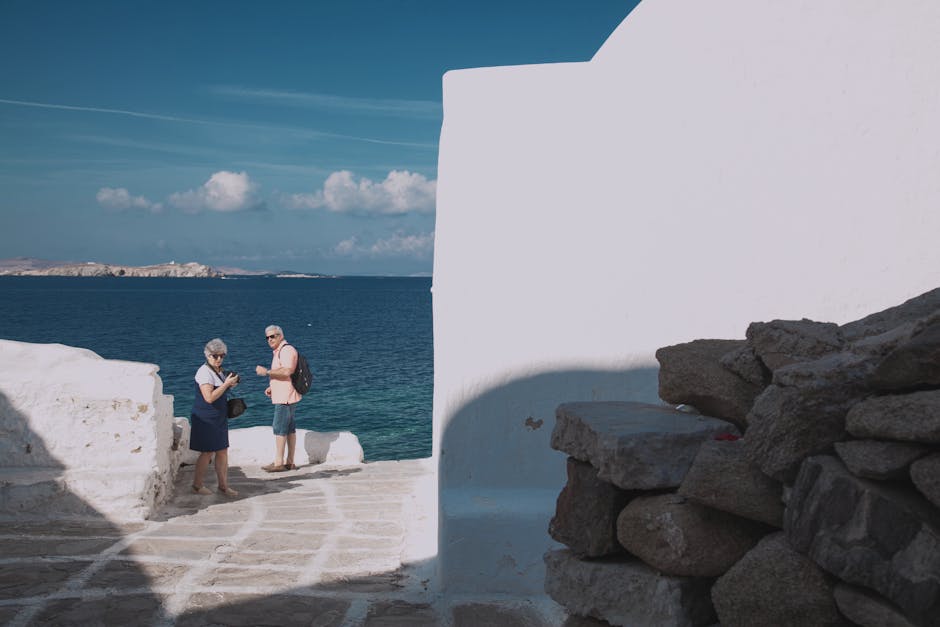
The Greek islands offer a unique blend of ancient history, stunning coastlines, and laid-back Mediterranean lifestyle. With over 200 inhabited islands scattered across the Aegean Sea, each has its own character—some bustling with nightlife, others ideal for quiet retreats. Popular destinations like Mykonos and Santorini attract crowds for their iconic architecture and vibrant scenes, while islands such as Milos, Naxos, and Folegandros offer a more authentic, relaxed pace. The combination of crystal-clear waters, whitewashed buildings, and rich local cuisine makes the Greek islands a top destination for travelers seeking both beauty and culture.
Best Time to Visit the Greek Islands
Timing is key to enjoying the islands without the peak-season chaos. The high season runs from late June to early September, when temperatures soar and ferries are packed. While this is ideal for beach lovers and nightlife seekers, it also means higher prices and limited availability.
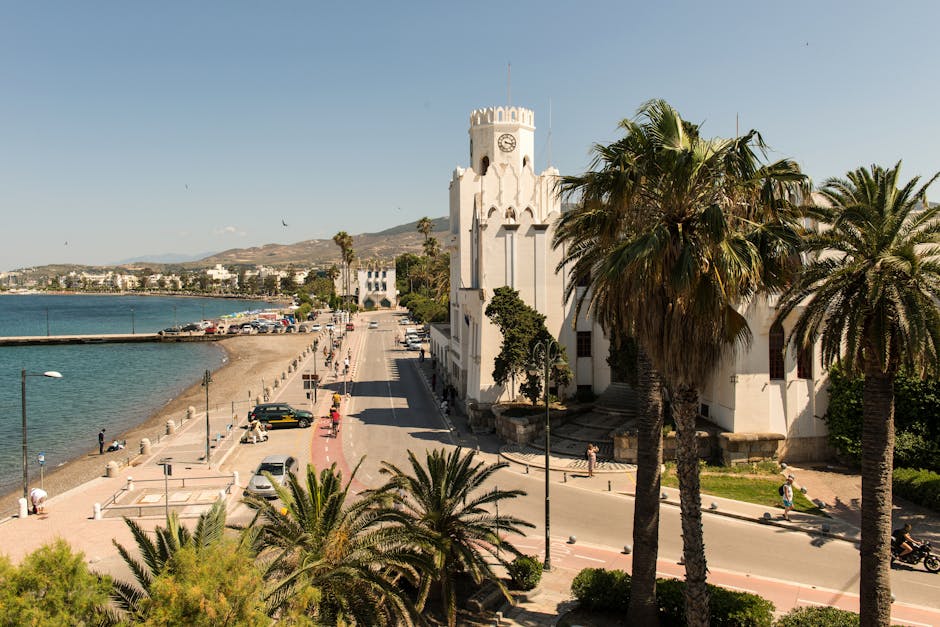
For a balance of good weather and fewer crowds, aim for late May to early June or September to early October. During these shoulder months, the sea is warm enough for swimming, hotels are more affordable, and you’ll have a better chance of securing last-minute ferry tickets. Avoid November through March, as many islands reduce services, and some accommodations and restaurants close for the winter.
Top Islands for First-Time Visitors
With so many options, it’s helpful to focus on a few standout islands that offer a mix of accessibility, attractions, and atmosphere. Here are four top picks for first-timers:
- Santorini: Famous for its caldera views, blue-domed churches, and dramatic cliffs. Best for romantic getaways and photography. Note that it’s one of the most expensive and crowded islands.
- Mykonos: Known for its cosmopolitan vibe, beach clubs, and vibrant nightlife. Great for social travelers, but can be loud and pricey.
- Crete: Greece’s largest island, offering diverse landscapes—from Samaria Gorge to Elafonissi Beach—and rich archaeological sites like Knossos Palace. Ideal for history buffs and nature lovers.
- Naxos: A quieter alternative with long sandy beaches, mountain villages, and fertile farmland. Perfect for families or those seeking authenticity.
Island Comparison at a Glance
| Island | Best For | Peak Season Crowds | Average Daily Budget (€) |
|---|---|---|---|
| Santorini | Views, romance, photography | Very high | 150–250 |
| Mykonos | Nightlife, beaches, luxury | High | 180–300 |
| Crete | History, hiking, variety | Moderate to high | 100–180 |
| Naxos | Relaxation, authenticity, families | Moderate | 80–140 |
How to Get Around the Islands
Island hopping is part of the fun, but it requires planning. Ferries are the primary mode of transport between islands, with routes operated by companies like Blue Star Ferries, Hellenic Seaways, and SeaJets. High-speed ferries cut travel time significantly but cost more than conventional ones.
Book ferry tickets in advance during peak season, especially for popular routes like Piraeus (Athens) to Santorini or Mykonos. Tickets can be purchased online or at port offices, but availability drops quickly in summer. Consider arriving at the port at least 30 minutes before departure.
On the islands, options vary. Santorini and Mykonos have limited public buses and taxis, but renting an ATV or scooter is common—just ensure you have the proper license and wear a helmet. In Crete and Naxos, renting a car gives you the most freedom to explore inland villages and remote beaches.
Where to Stay: Hotels, Villas, and Budget Options
Accommodation ranges from luxury cliffside resorts to family-run guesthouses and hostels. In Santorini, cave hotels in Oia offer unforgettable views but come at a premium. Mykonos has boutique hotels and beachfront villas, often with pool access.
For budget-conscious travelers, consider staying in less touristy areas or on smaller islands. Naxos and Paros offer excellent value with clean, comfortable rooms starting around €60 per night. Booking platforms like Booking.com and Airbnb are reliable, but always check recent reviews and cancellation policies.
Tip: Avoid booking the cheapest room without photos—some budget options can be outdated or poorly located. Look for places with free Wi-Fi, air conditioning, and proximity to the port or town center.
What to Eat and Drink
Greek island cuisine is fresh, simple, and deeply flavorful. Start your day with a Greek coffee or freddo cappuccino, followed by a midday meal of grilled octopus, tzatziki, and horiatiki (Greek salad). Seafood is abundant—try grilled sardines in Milos or lobster pasta in Mykonos.
Don’t miss local specialties like dolmades (stuffed grape leaves), souvlaki, and loukoumades (honey puffs). Pair your meal with a glass of local wine—Santorini is famous for its Assyrtiko white wine, while Crete produces robust reds.
Drink plenty of water, especially in summer. Tap water is safe to drink on most islands, but bottled water is widely available. Avoid overindulging in alcohol during midday heat to prevent dehydration.
Cultural Etiquette and Practical Tips
Greeks are warm and hospitable, but a few cultural norms will help you blend in. Dress modestly when visiting churches—cover shoulders and knees. Many restaurants close between 3 PM and 7 PM, so plan meals accordingly. Tipping 5–10% is appreciated but not mandatory.
Learn a few basic Greek phrases: “Yassas” (hello), “Efharistó” (thank you), and “Pos thélete?” (how much does it cost?). Locals appreciate the effort, even if your pronunciation isn’t perfect.
Be cautious with valuables, especially in crowded areas like Mykonos’s Little Venice or Santorini’s Fira. Pickpocketing does occur, so use a money belt or secure bag. Also, avoid swimming alone in remote coves—currents can be strong, and help may be far away.
Packing Essentials for the Greek Islands
Pack light but smart. Essentials include:
- Lightweight, breathable clothing (linen and cotton work best)
- Comfortable walking shoes for cobblestone streets
- Sunscreen (SPF 50+), sunglasses, and a wide-brimmed hat
- Reusable water bottle with a filter
- Power adapter (Greece uses Type C and F plugs, 230V)
- Waterproof phone case or dry bag for boat trips
- Basic first-aid kit with motion sickness tablets (for ferry rides)
Remember, many islands have limited shopping options, so bring any specific medications or gear with you.
Common Mistakes to Avoid
Even seasoned travelers make errors in the Greek islands. Here are three to watch for:
- Overpacking your itinerary: Trying to visit five islands in a week leads to rushed experiences and ferry fatigue. Limit yourself to 2–3 islands for a relaxed trip.
- Ignoring local schedules: Many shops and attractions close for a few hours in the afternoon. Plan sightseeing in the morning or evening.
- Assuming all beaches are free: Some popular beaches charge for sunbeds and umbrellas (€10–20 per day). Bring your own towel if you want to save money.
Final Thoughts on Your First Island Adventure
A trip to the Greek islands is more than just a vacation—it’s an immersion in natural beauty, ancient history, and Mediterranean rhythm. By choosing the right islands, traveling during shoulder seasons, and respecting local customs, you’ll get the most out of your experience. Use this Greece Islands Travel Guide for First-Time Visitors Tips as your foundation, but leave room for spontaneity—some of the best moments happen when you wander off the beaten path.
FAQ
Do I need a visa to visit the Greek islands?
Citizens of the EU, US, Canada, Australia, and several other countries can enter Greece visa-free for up to 90 days within a 180-day period. Check the latest requirements based on your nationality before traveling.
Can I use euros on all the islands?
Yes, the euro (€) is the official currency throughout Greece, including all islands. Credit cards are widely accepted in towns and tourist areas, but carry cash for smaller villages and markets.
Is it safe to swim in the sea around the islands?
Generally, yes. Most beaches are safe for swimming, with clear waters and lifeguards at popular spots. However, always check local signs, avoid swimming after storms, and be cautious of strong currents in open areas.