
How to Keep Your Belongings Safe While Traveling
Keeping your belongings safe while traveling starts with smart planning and awareness. Whether you’re on a weekend getaway or a month-long international trip, theft, loss, and damage are real risks. The good news? Most incidents are preventable with the right habits and tools. This guide walks you through practical, proven strategies to protect your luggage, electronics, documents, and valuables from common travel threats. From choosing secure bags to using hotel safes wisely, you’ll learn how to keep your belongings safe while traveling without sacrificing convenience or peace of mind.
Choose the Right Luggage for Security
The type of bag you carry plays a big role in how vulnerable your items are. Hard-shell suitcases with built-in TSA-approved locks offer better protection against tampering than soft-sided bags. Look for models with double zippers that can be secured with a small padlock. For backpacks, opt for anti-theft designs with slash-resistant fabric, hidden zippers, and locking mechanisms.
Consider size and visibility, too. Oversized luggage is harder to manage and more likely to be mishandled. Bright or unique luggage stands out, which can be good for identification but bad if it draws unwanted attention. A neutral-colored, mid-sized suitcase with a distinctive tag or ribbon strikes a better balance.
Use Locks and Security Devices
Locks are a simple but effective deterrent. Use a combination lock on your main suitcase and backpack zippers. Avoid key locks that can be easily picked or lost. TSA-approved locks allow security agents to inspect your bag without damaging the lock—look for the red diamond symbol.
For extra protection, consider portable security devices. A luggage alarm that sounds when tampered with can scare off opportunistic thieves. GPS trackers like Apple AirTags or Tile can help you locate lost or stolen bags. Place one inside your suitcase and another in your carry-on for dual coverage.
Pack Smart to Minimize Risk
How you pack affects both security and convenience. Keep valuables—passport, wallet, phone, medications—in your carry-on, never checked luggage. Use packing cubes to organize items and reduce the chance of things getting misplaced.
Avoid overpacking. A bulging suitcase is more likely to burst open or attract attention. Roll clothes instead of folding to save space and reduce wrinkles. Place fragile items in the center, surrounded by soft clothing for cushioning.
Be discreet with electronics. Laptops, cameras, and tablets should be carried on, not checked. If you must check a bag with electronics, wrap them in clothing and use a hard-shell case. Never leave expensive gear unattended, even for a moment.
Secure Your Belongings in Hotels and Accommodations
Hotel rooms are not always as secure as they seem. Always use the door lock and chain, even when inside. Don’t assume housekeeping is trustworthy—treat your room like a public space.
Use the in-room safe for passports, extra cash, and jewelry. If there’s no safe, consider a portable travel safe that can be anchored to a fixed object. These compact, lockable bags are lightweight and effective.
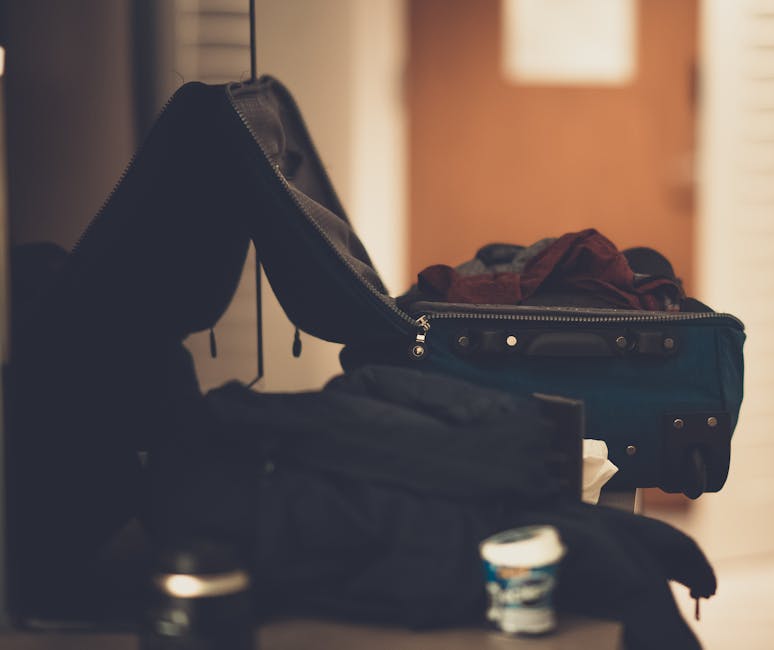
Never leave luggage open or unpacked in plain sight. Keep your suitcase zipped and stored out of the way, ideally in a closet or under the bed. If you’re staying in shared accommodations like hostels, use a locker if available and keep your key secure.
Stay Alert in Public Spaces
Pickpocketing and distraction theft are common in busy areas like train stations, markets, and tourist attractions. Stay vigilant in crowds and avoid displaying valuables. Keep your bag in front of you, not on your back or side.
Use crossbody bags with zippers instead of open totes. Avoid placing your phone or wallet in back pockets. If you’re using your phone to navigate, stay aware of your surroundings and step aside to avoid blocking foot traffic.
In restaurants and cafes, never hang your bag on the back of a chair. Loop the strap around your leg or place it on an empty seat next to you. A moment of inattention is all it takes for a thief to strike.
Protect Documents and Digital Data
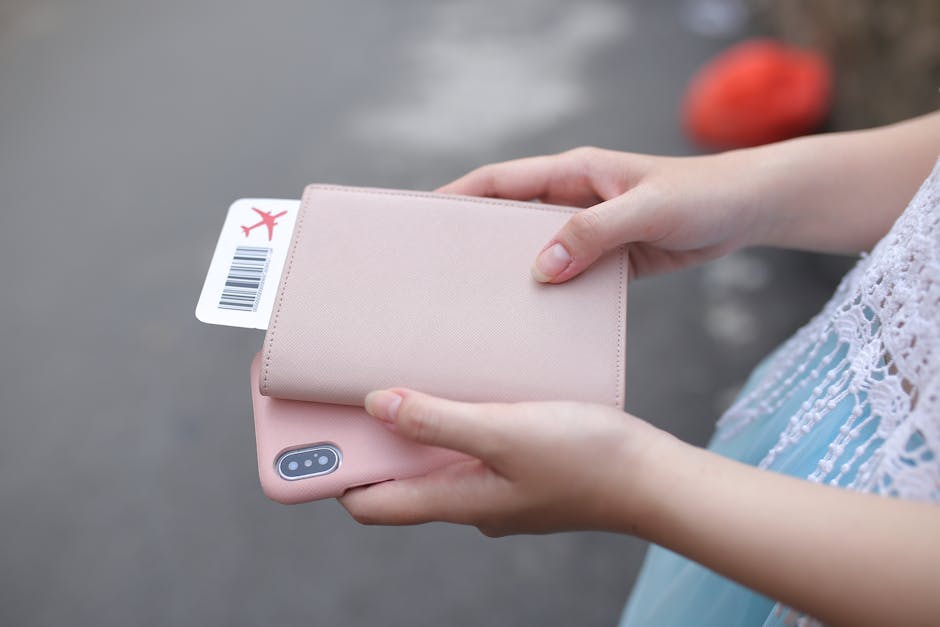
Physical documents like passports, visas, and boarding passes are critical. Make digital copies and store them in a secure cloud service like Google Drive or iCloud. Email copies to yourself as a backup. Keep the originals in a waterproof document organizer in your carry-on.
For digital security, use strong, unique passwords on all devices. Enable two-factor authentication on important accounts. Avoid public Wi-Fi for sensitive transactions. If you must use it, connect through a reputable VPN to encrypt your data.
Consider a Faraday bag to block RFID signals from credit cards and passports. These inexpensive pouches prevent electronic pickpocketing, where thieves scan your cards from a distance.
Know What to Do If Something Is Lost or Stolen
If your belongings are stolen, act quickly. Report the theft to local police and get a copy of the report—this is often required for insurance claims. Contact your embassy if your passport is stolen; they can issue an emergency replacement.
Notify your bank and credit card companies immediately to freeze accounts and prevent fraud. Use tracking apps to monitor the location of lost devices. If you have travel insurance, file a claim as soon as possible with all necessary documentation.
Keep a list of important phone numbers and policy details in your phone and printed copy. Include contacts for your insurance provider, bank, and embassy.
Travel Insurance: A Safety Net for Your Belongings
Travel insurance isn’t just for medical emergencies—it can cover lost, stolen, or damaged belongings. Look for policies that include personal property coverage with a reasonable deductible. Read the fine print: some exclusions apply, such as unattended bags or high-value items like jewelry.
Document your belongings before you travel. Take photos of electronics, luggage, and valuables, and keep receipts if possible. This makes claims easier and faster.
Comparison of Common Anti-Theft Travel Gear
| Product Type | Best For | Pros | Cons |
|---|---|---|---|
| Anti-theft backpack | Daily use in cities | Slash-proof, hidden zippers, RFID blocking | Can be heavier, limited style options |
| TSA-approved luggage lock | Checked bags | Allows security inspection, durable | Can be cut by determined thieves |
| Portable travel safe | Hotel rooms, hostels | Anchors to fixtures, lightweight | Requires setup, not for large items |
| GPS tracker (e.g., AirTag) | Luggage, electronics | Real-time location, long battery life | Requires smartphone, subscription for some models |
Final Tips for Peace of Mind
Preparation is your best defense. Before you leave, make a checklist of essential items and security steps. Share your itinerary with a trusted friend or family member. Check travel advisories for your destination to stay informed about local risks.
Trust your instincts. If a situation feels unsafe, leave. It’s better to miss a photo op than risk your safety or belongings. Stay calm and focused, especially in transit hubs where distractions are common.
By combining smart gear, careful habits, and awareness, you can significantly reduce the chances of theft or loss. Remember: how to keep your belongings safe while traveling isn’t about fear—it’s about confidence through preparation.
FAQ
Q: Should I keep my passport in my carry-on or checked luggage?
A: Always keep your passport in your carry-on. Checked luggage can be lost or delayed, and you may need your passport for identification during your trip.
Q: Are TSA locks really secure?
A: TSA locks are secure against casual tampering and allow airport security to inspect your bag without damage. However, they can still be cut by determined thieves, so use them in combination with other security measures.
Q: What should I do if my bag is stolen at the airport?
A: Report the theft immediately to airport security and local police. Contact your airline if it was checked luggage, and notify your travel insurance provider. Keep all receipts and documentation for your claim.