
How to Pass Airport Security Without Any Problems
Passing through airport security doesn’t have to be stressful. With the right preparation and awareness of current procedures, you can move through checkpoints quickly and confidently. This guide outlines practical steps to help you pass airport security without any problems—whether you’re a frequent flyer or traveling for the first time. From packing smart to understanding what triggers secondary screening, we’ll walk you through everything you need to know to avoid delays and stay calm at the checkpoint.
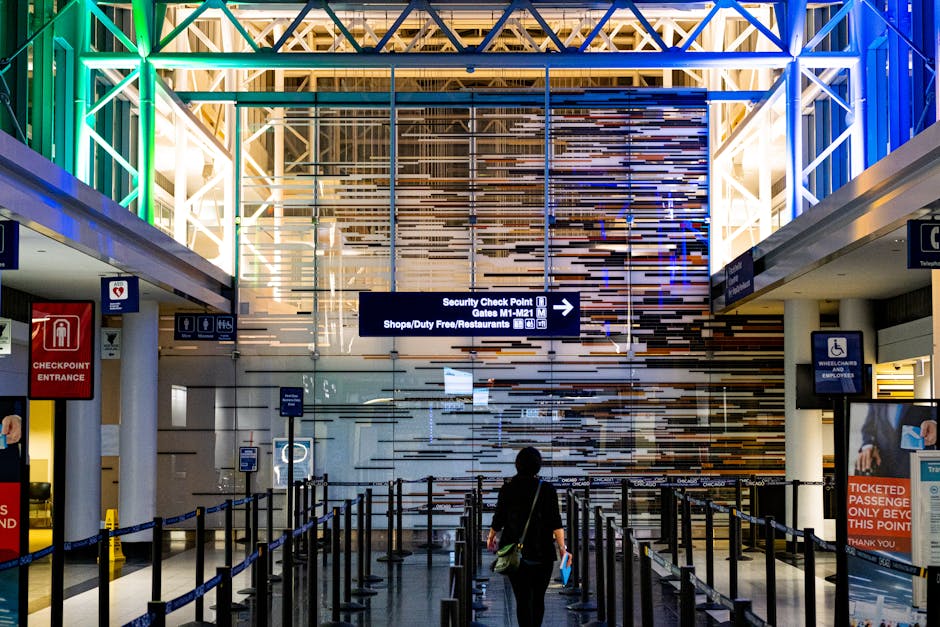
Prepare Before You Leave Home
The key to a smooth security experience starts long before you arrive at the airport. A few simple actions at home can prevent major headaches later.
- Check your airline and TSA guidelines: Rules change periodically. Visit the TSA website or your airline’s travel page to confirm current restrictions on liquids, electronics, and prohibited items.
- Pack liquids in a clear quart-sized bag: All liquids, gels, and aerosols must be 3.4 ounces (100ml) or less and fit in a single, resealable plastic bag. Examples include shampoo, toothpaste, and hand sanitizer.
- Wear easy-to-remove shoes and belts: Avoid laced boots or complex accessories that slow down the process. Slip-on shoes and simple belts help speed things up.
- Minimize metal on your person: Remove watches, jewelry, coins, and large belt buckles before reaching the checkpoint to reduce the chance of setting off the metal detector.
Know What Goes in Your Carry-On
Your carry-on bag is your first line of defense against delays. Packing strategically ensures you won’t be caught off guard by a TSA agent.
Liquids, Gels, and Aerosols
The 3-1-1 rule is non-negotiable: 3.4 ounces per container, 1 quart-sized bag, 1 bag per passenger. This applies to everything from moisturizer to energy gels. Exceptions include medications, baby formula, and breast milk—though these may require additional screening.
Electronics
Laptops, tablets, and large cameras must be removed from your bag and placed in a bin for X-ray screening. Smaller devices like phones and e-readers can usually stay in your bag, but it’s safer to check current TSA rules before your flight.
Sharp Objects and Tools
Items like scissors over 4 inches, box cutters, and screwdrivers are prohibited in carry-ons. Even small tools like multi-tools with blades can cause delays. Pack them in checked luggage instead.
Choose the Right Security Lane
Not all security lines are created equal. Picking the right one can save you valuable time.
- TSA PreCheck: If you’re a frequent traveler, consider enrolling in TSA PreCheck. Members keep shoes, belts, and light jackets on, leave laptops and liquids in bags, and use a dedicated lane.
- Clear: This biometric identity service works alongside TSA PreCheck and allows you to skip ID and boarding pass checks. It’s ideal for busy hubs like Atlanta or Denver.
- Standard lane: If you don’t have expedited screening, arrive early. Peak times (6–9 a.m. and 4–7 p.m.) often mean longer waits.
At the Checkpoint: What to Expect
Once you reach the security checkpoint, follow these steps to move through efficiently:
- Have your documents ready: Present your boarding pass and government-issued ID. Mobile passes are widely accepted, but keep a physical copy as backup.
- Place items in bins correctly: Use one bin per item category: electronics, liquids, outerwear, and personal items. Stack bins neatly to avoid confusion.
- Step through the scanner calmly: Follow the officer’s instructions. Raise your arms as directed and remain still during imaging.
- Retrieve your belongings promptly: Once cleared, gather your items quickly to avoid blocking the flow. Re-pack your bag away from the checkpoint area.
Common Mistakes That Cause Delays
Even experienced travelers make errors that slow down the process. Avoid these frequent pitfalls:
- Forgetting to remove laptops: This is one of the top reasons for secondary screening. Always take out laptops and large electronics.
- Packing prohibited items: Firearms, pepper spray, and large knives are strictly forbidden in carry-ons. Even souvenir items like snow globes (over 3.4 oz) can be flagged.
- Wearing excessive metal: Multiple rings, chains, or a heavy watch can trigger alarms. Simplify your accessories before approaching the scanner.
- Arriving too late: TSA recommends arriving 2 hours before domestic flights and 3 hours before international ones. Rushing increases stress and the chance of mistakes.
Special Considerations for Families and Medical Needs
Traveling with children or medical equipment requires extra planning but doesn’t have to complicate security.
- Strollers and car seats: These must go through X-ray screening. Fold them and place them on the belt. TSA agents may assist if needed.
- Medications: Prescription drugs in original containers are allowed in carry-ons. Liquid medications over 3.4 oz are permitted but should be declared at the checkpoint.
- Medical devices: CPAP machines, insulin pumps, and walkers can be brought through security. Inform the officer if you have an implanted device that may set off detectors.
International Travel Tips
Security procedures vary by country, but many follow similar principles. Research your destination’s rules in advance.
- European Union: Follow the 100ml liquid rule, similar to the U.S. Laptops may need to be removed depending on the airport.
- United Kingdom: Liquids are limited to 100ml, and all electronics larger than a smartphone must be screened separately.
- Australia and New Zealand: Strict biosecurity rules apply. Declare food, plant, and animal products to avoid fines.
How to Pass Airport Security Without Any Problems: Final Checklist
Use this quick-reference checklist before heading to the airport:
| Task | Completed? |
|---|---|
| Liquids in 3.4 oz containers, packed in a quart-sized bag | ☐ |
| Laptop and large electronics removed from bag | ☐ |
| Shoes, belts, and jackets ready to remove | ☐ |
| Boarding pass and ID accessible | ☐ |
| No prohibited items in carry-on | ☐ |
| Arrived at airport 2–3 hours before departure | ☐ |
What to Do If You’re Selected for Additional Screening
Being pulled aside doesn’t mean you’ve done anything wrong. Secondary screening is random and routine. Stay calm, cooperate with officers, and answer questions politely. If you believe an error was made, request a supervisor—but do so respectfully.
Conclusion
Knowing how to pass airport security without any problems comes down to preparation, awareness, and calm execution. By following TSA guidelines, packing wisely, and arriving early, you can breeze through checkpoints with confidence. Whether you’re flying domestically or abroad, these strategies will help you avoid common pitfalls and keep your journey stress-free.
FAQ
Can I bring a water bottle through airport security?
Empty water bottles are allowed through security and can be filled at water stations after the checkpoint. Full bottles over 3.4 oz will be confiscated.
Do I have to remove my shoes at every airport?
Most U.S. airports require shoe removal unless you have TSA PreCheck. International rules vary—some countries allow you to keep shoes on, while others do not.
What happens if my bag gets flagged during screening?
If your bag is flagged, a TSA agent will conduct a physical inspection. Stay nearby and cooperate. Once cleared, you’ll be allowed to proceed to your gate.