
How to Travel Cheap in Japan Without Missing Attractions
Traveling to Japan doesn’t have to drain your wallet. With smart planning and local insights, you can explore temples, cities, and natural wonders without overspending. This guide shows you how to travel cheap in Japan while still experiencing must-see attractions like Kyoto’s Fushimi Inari Shrine, Tokyo’s Senso-ji Temple, and Mount Fuji. From budget accommodations to affordable transit passes and free cultural sites, you’ll find practical strategies to stretch your yen and make the most of your trip.
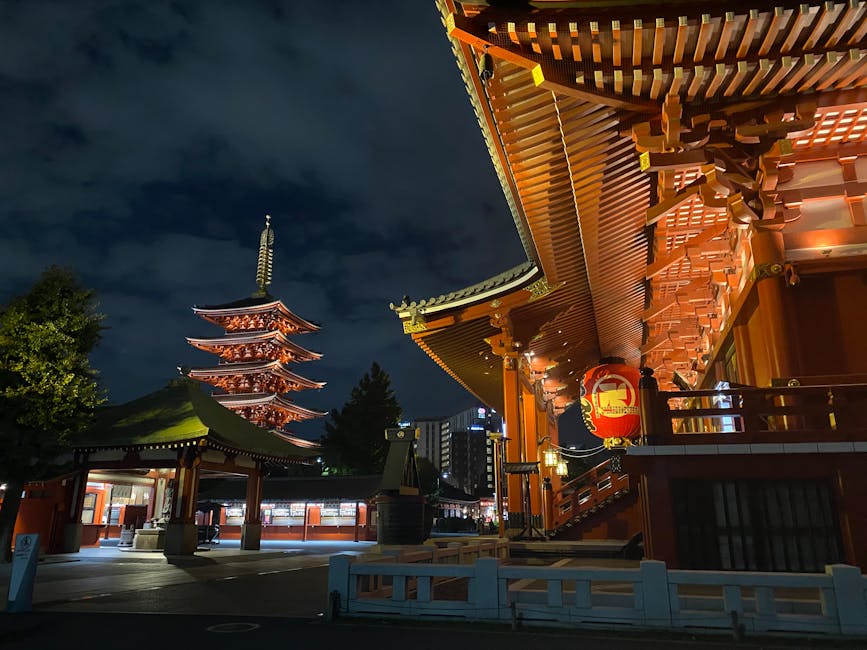
Plan Your Itinerary Around Free and Low-Cost Attractions
Japan offers countless free or inexpensive attractions that deliver rich cultural experiences. Instead of focusing only on paid museums or theme parks, build your days around public parks, historic neighborhoods, and scenic viewpoints.
- Visit free shrines and temples: Senso-ji in Tokyo, Kiyomizu-dera in Kyoto, and Itsukushima Shrine on Miyajima Island offer spiritual significance and stunning architecture at no cost.
- Explore public gardens and parks: Shinjuku Gyoen in Tokyo and Maruyama Park in Kyoto are ideal for quiet strolls and cherry blossom viewing.
- Walk historic districts: Wander through Gion in Kyoto, Takayama’s old town, or Yanaka in Tokyo to experience traditional architecture and local life.
- Enjoy panoramic views: Tokyo Metropolitan Government Building offers free observation decks with skyline views rivaling paid alternatives.
Use the Japan Rail Pass Wisely
The Japan Rail (JR) Pass can be a major cost-saver—if used correctly. It allows unlimited travel on most JR trains, including the Shinkansen (bullet trains), for a fixed period.
Best for: Travelers planning multiple long-distance trips (e.g., Tokyo to Kyoto, Osaka to Hiroshima).
When it’s not worth it: If you’re staying in one region or using only local trains, regional passes or regular tickets may be cheaper.
Buy the pass before arriving in Japan—it’s only available to foreign tourists and must be purchased online or through authorized agents. Activate it on a travel day, not your arrival day, to maximize value.
Alternative Transit Options
For city travel, avoid taxis and instead use:
- Subway day passes: Tokyo’s Toei Subway Pass (¥800/day) and Osaka Amazing Pass (¥2,800/day with attraction discounts) offer unlimited rides.
- IC cards: Suica or Pasmo cards work across trains, buses, and convenience stores—reload as needed and avoid ticket lines.
- Local buses: In rural areas like Takayama or Kanazawa, buses are often cheaper and more direct than trains.
Choose Budget-Friendly Accommodations
Accommodation can be one of the biggest expenses, but Japan offers affordable options beyond hostels.
Business hotels: Clean, compact rooms in central locations. Chains like Toyoko Inn or APA Hotel offer rates from ¥6,000–¥9,000 per night.
Capsule hotels: Ideal for solo travelers. Expect basic amenities and shared bathrooms, but prices start around ¥3,500.
Guesthouses and minshuku: Family-run lodgings, especially in rural areas, often include breakfast and local tips.
Airbnb and vacation rentals: Compare carefully—some are licensed and legal, while unregistered ones may be shut down mid-stay.
Avoid luxury hotels and last-minute bookings. Reserve at least 2–3 weeks ahead for better rates and availability.
Eat Smart Without Sacrificing Flavor
Japanese cuisine is world-class, and you don’t need to dine at high-end restaurants to enjoy it. Street food, convenience stores, and set meals offer delicious, authentic options at low prices.
- Convenience stores (konbini): 7-Eleven, FamilyMart, and Lawson sell fresh onigiri, bento boxes, and sandwiches for ¥200–¥500. Many items are surprisingly high quality.
- Ramen shops: A full bowl costs ¥800–¥1,200. Look for standing ramen bars or small local shops for authentic taste.
- Lunch sets (teishoku): Many restaurants offer discounted lunch menus with rice, soup, main dish, and pickles for ¥1,000 or less.
- Department store basements (depachika): Sample affordable gourmet snacks and sweets without buying a full meal.
Avoid tourist-heavy areas like Tokyo’s Ginza or Kyoto’s Pontocho for meals—prices are inflated. Instead, eat where locals do: near train stations or in residential neighborhoods.
Take Advantage of Discount Passes and City Tourism Cards
Many cities offer combo passes that include transit and entry to attractions. These can save money if you plan to visit multiple sites.
| City | Pass Name | Price (¥) | Includes |
|---|---|---|---|
| Tokyo | Tokyo Subway Ticket | 1,600–2,200 | 24/48/72-hour subway access |
| Osaka | Osaka Amazing Pass | 2,800 | Unlimited metro/bus + 40+ attractions |
| Kyoto | Kyoto City Bus & Subway Pass | 1,100 | One-day unlimited bus or subway |
| Hiroshima | Hiroshima Sightseeing Pass | 1,500 | Streetcar + ferry to Miyajima |
Always calculate whether the pass saves money based on your planned activities. For example, if you’re visiting three paid attractions and using transit twice daily, a pass often pays for itself.
Travel Off-Peak and Avoid Peak Seasons
Timing your trip can drastically affect costs. Peak seasons—cherry blossom (late March–early April), Golden Week (late April–early May), and autumn foliage (November)—bring crowds and higher prices.
Best budget windows:
- Late January to early March (except New Year)
- June (rainy season, but fewer tourists)
- Early December (before Christmas lights and year-end travel)
Shoulder seasons offer mild weather, lower prices, and shorter lines. Book flights and accommodations early even in off-peak times, as some rural inns have limited rooms.
Use Free Wi-Fi and Offline Maps
Staying connected helps you navigate and find deals, but avoid expensive SIM cards or roaming fees.
- Free Wi-Fi: Available at train stations, convenience stores, cafes, and tourist centers. Look for networks like “Japan Connected-free Wi-Fi” or “Wire and Wireless.”
- Offline maps: Download Google Maps or Japan Travel by Navitime before your trip. Both work offline and include transit directions.
- Pocket Wi-Fi or SIM cards: Only rent if necessary. Compare prices—daily rental can cost ¥800–¥1,200, while a prepaid SIM may be cheaper for longer stays.
Avoid Common Budget Traps
Even careful travelers can overspend on small things. Watch out for:
- Overpriced souvenirs: Buy regional specialties (like Kyoto sweets or Hokkaido cookies) at local supermarkets, not airport gift shops.
- Taxi rides: Fares start around ¥600 and rise quickly. Use trains or buses unless traveling late at night.
- Hotel mini-bars: Items are often marked up 300%. Bring your own snacks or buy from a konbini.
- Tourist-targeted experiences: Tea ceremonies and kimono rentals can cost ¥3,000–¥8,000. Look for local community centers or student-run workshops for lower prices.
Final Tips for Affordable Japan Travel
To travel cheap in Japan without missing attractions, focus on value over luxury. Prioritize experiences over souvenirs, use public transit, eat like a local, and plan ahead. With these strategies, you can enjoy Japan’s culture, food, and scenery without overspending.
Start by mapping your must-see spots, then build a daily budget that includes transit, food, and one paid activity. Track expenses with a simple app or notebook. Most importantly, stay flexible—some of the best moments happen in unplanned detours through quiet alleys or neighborhood festivals.
FAQ
Is Japan really that expensive to visit?
Japan can be pricey, but it’s possible to travel on a budget. With smart choices—like using transit passes, eating at convenience stores, and staying in business hotels—daily costs can stay under ¥8,000–¥10,000 ($55–$70 USD) excluding flights.
Can I use the Japan Rail Pass for local city travel?
No, the JR Pass covers JR-operated trains, including Shinkansen and some local lines, but not private subway systems in cities like Tokyo or Osaka. Use IC cards or city-specific passes for metro travel.
Are there free attractions in major cities like Tokyo and Kyoto?
Yes. Both cities have numerous free sites, including temples, parks, and observation decks. Examples include Meiji Shrine in Tokyo and Fushimi Inari Shrine in Kyoto—both iconic and completely free to enter.