
How to Travel Solo Safely with Essential Safety Tips
Traveling solo offers unmatched freedom and personal growth, but it also demands extra attention to safety. Whether you’re exploring a bustling city or hiking a remote trail, knowing how to travel solo safely can make the difference between a rewarding adventure and a risky ordeal. This guide covers practical, actionable strategies—from planning and communication to situational awareness—so you can enjoy your journey with confidence and peace of mind.
Plan Ahead: Your First Line of Defense
Solid preparation is the foundation of safe solo travel. Before you even book your ticket, research your destination thoroughly. Look beyond tourist brochures and check government travel advisories, local customs, common scams, and areas to avoid. For example, while Barcelona is generally safe, solo travelers should steer clear of poorly lit alleys near Las Ramblas after dark.
Create a detailed itinerary and share it with a trusted friend or family member. Include flight numbers, accommodation addresses, and planned activities. Set check-in times—daily or every other day—so someone knows if you go silent unexpectedly.
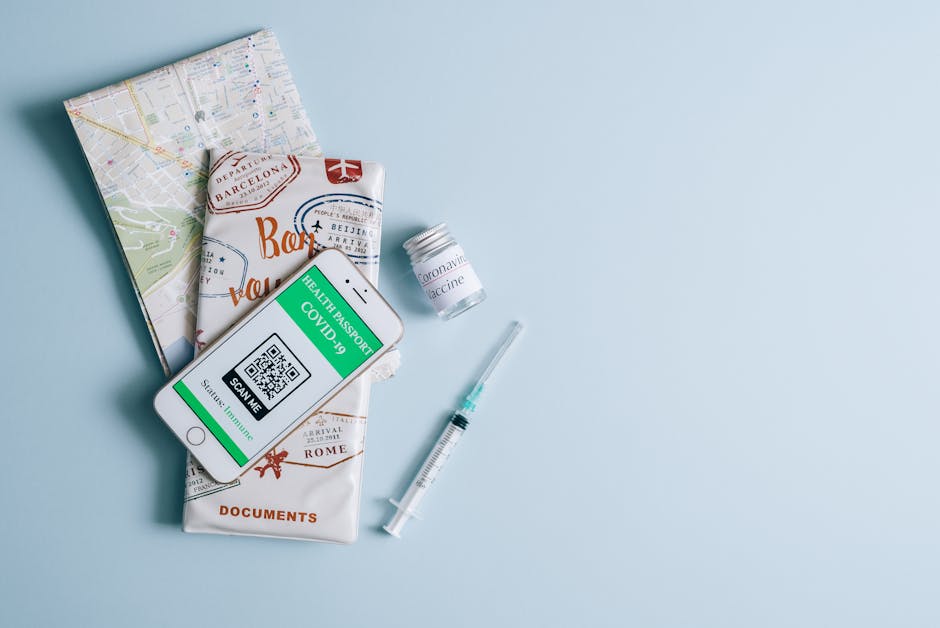
Also, make digital and physical copies of important documents: passport, visa, travel insurance, and emergency contacts. Store digital copies in a secure cloud service and carry physical copies separately from the originals.
Choose Accommodations Wisely
Where you stay plays a major role in your safety. Opt for reputable accommodations with good reviews, especially those that mention security features like 24-hour front desks, in-room safes, and well-lit entrances. Hostels can be great for solo travelers, but choose female-only dorms if you’re a woman and prioritize places with lockers and secure key access.
Upon arrival, locate emergency exits, fire extinguishers, and the nearest hospital or police station. If something feels off—like a broken lock or suspicious staff—don’t hesitate to request a room change or switch hotels.
Stay Connected and Share Your Location
Maintaining communication is critical when traveling alone. Purchase a local SIM card or an international data plan to ensure you have reliable internet access. Use apps like Google Maps offline mode, WhatsApp, or Signal to stay in touch.
Enable location sharing with a trusted contact through apps like Find My (iPhone) or Google’s Location Sharing. Set it to update automatically so your loved ones can see your real-time whereabouts. Avoid posting live updates on social media, though—this signals to potential thieves that you’re not at your accommodation.
Dress and Act Like a Local
Blending in reduces your visibility as a tourist, which in turn lowers your risk of being targeted. Avoid flashy jewelry, expensive cameras, or clothing with brand logos. Research local dress codes—especially in conservative regions—and follow them respectfully.
Walk with purpose, even if you’re lost. Standing still while consulting a map makes you an easy mark. Use your phone discreetly, and keep it secured in a front pocket or crossbody bag with a zipper.
Trust Your Instincts and Stay Aware
Your intuition is one of your most powerful safety tools. If a situation feels wrong—whether it’s a person, place, or offer—trust that feeling and remove yourself. Scammers often use distraction techniques, such as spilling something on you or asking for help with a petition, to steal belongings.
Stay alert in crowded areas like markets, train stations, and festivals. Pickpocketing is common in high-traffic zones. Use anti-theft bags with slash-proof straps and RFID-blocking pockets. Keep your bag in front of you on public transport.
Use Reliable Transportation
Public transit is usually safe, but late-night travel can be riskier. Avoid empty subway cars or buses. In cities with ride-sharing apps like Uber or Bolt, use them instead of unmarked taxis. Always verify the driver’s name, car model, and license plate before getting in.
If you’re renting a car, park in well-lit, secure areas and never leave valuables inside. In rural or remote areas, inform someone of your route and expected return time.
Carry a Safety Kit
Pack a small safety kit tailored to your destination. Essentials include:
- A portable doorstop alarm for hotel rooms
- A personal safety alarm that emits a loud sound
- A flashlight or keychain light
- Basic first-aid supplies
- A list of emergency numbers (local police, embassy, insurance)
Consider carrying a whistle and a photocopy of your passport. In some countries, local laws require foreigners to carry identification at all times.
Know How to Handle Emergencies
Despite precautions, emergencies can happen. If you’re robbed, prioritize your safety over belongings. Report the incident to local police and your embassy immediately. Most embassies offer 24/7 emergency assistance for citizens abroad.
In medical emergencies, know the local emergency number (112 works in most of Europe, 911 in the U.S.). Carry your travel insurance details and understand what’s covered—some policies require pre-approval for treatment.
Compare: Solo Travel Safety by Region
Risk levels vary by destination. The table below compares general safety considerations for solo travelers in different regions.
| Region | General Safety Level | Key Risks | Recommended Precautions |
|---|---|---|---|
| Western Europe | High | Pickpocketing, petty theft | Use anti-theft bags, avoid crowded tourist spots at night |
| Central America | Moderate | Street crime, unreliable transport | Use official taxis, avoid displaying valuables |
| Southeast Asia | Moderate to High | Scams, motorbike theft | Verify tour operators, wear helmets, secure luggage |
| Northern Africa | Variable | Political unrest, cultural sensitivities | Check travel advisories, dress conservatively |
Final Tips for Confident Solo Travel
Solo travel is empowering, but safety should never be an afterthought. Start with thorough research, stay connected, and remain aware of your surroundings. Avoid alcohol in excess, especially in unfamiliar settings, and never accept drinks from strangers.
Learn a few key phrases in the local language—like “help,” “police,” and “I need a doctor.” This can be invaluable in emergencies. Lastly, consider travel insurance that covers medical evacuation, trip cancellation, and theft.
By following these essential safety tips, you’ll be well-equipped to handle the unexpected and make the most of your solo adventure.
Frequently Asked Questions
Is it safe for women to travel solo?
Yes, many women travel solo safely every year. Safety depends more on preparation, awareness, and destination choice than gender. Women should take extra precautions like using female-friendly accommodations and avoiding isolated areas at night.
What should I do if I feel unsafe in a foreign country?
Trust your instincts. Leave the situation immediately, go to a public place, and contact local authorities or your embassy. Save emergency numbers in your phone and carry a written copy.
Do I need travel insurance for solo trips?
Yes. Travel insurance covers medical emergencies, trip interruptions, and lost belongings. It’s especially important when traveling alone, as you won’t have companions to rely on in a crisis.