
How to Work Remotely While Traveling the World
Working remotely while traveling the world is more achievable than ever, thanks to flexible jobs, reliable technology, and a growing digital nomad culture. Whether you’re a freelancer, remote employee, or entrepreneur, you can maintain productivity and meet deadlines while exploring new destinations. Success requires planning, the right tools, and smart routines. This guide covers essential steps—from choosing destinations with solid internet to managing time zones and staying compliant with local laws—so you can work effectively from anywhere.
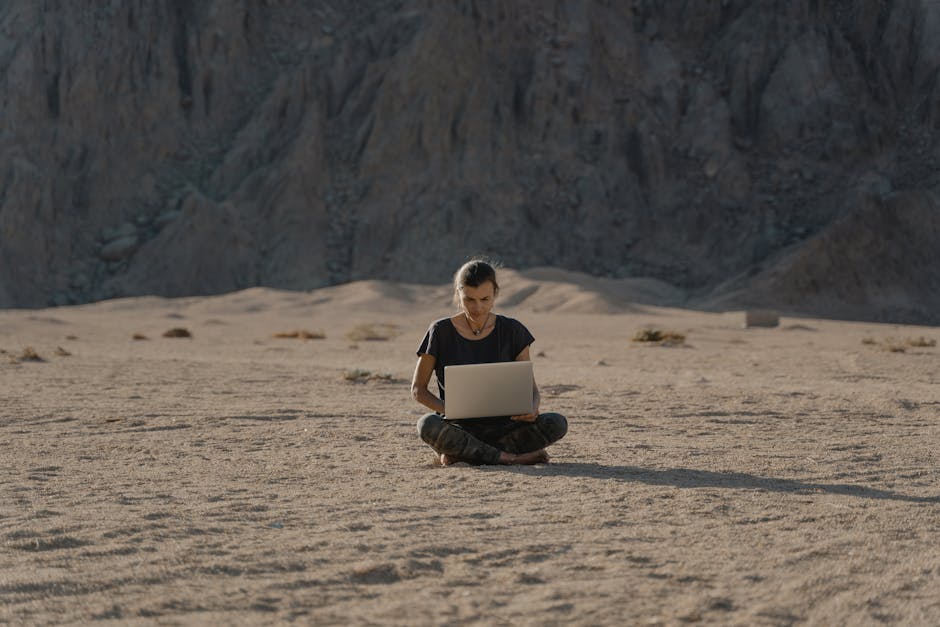
Choose the Right Destinations for Remote Work
Not every country or city is equally suited for remote work. Prioritize locations with strong internet infrastructure, coworking spaces, and a welcoming environment for digital nomads. Countries like Portugal, Thailand, Mexico, and Estonia offer affordable living costs, reliable connectivity, and visa programs designed for remote workers.
Before booking a flight, research:
- Internet speed and reliability (aim for at least 25 Mbps)
- Availability of coworking spaces or quiet cafes
- Safety and political stability
- Local cost of living and accommodation options
- Visa requirements and length of stay allowed
Tools like Nomad List and Speedtest.net can help compare cities based on real user data. For example, Chiang Mai in Thailand consistently ranks high for affordability and internet quality, while Lisbon, Portugal, offers a vibrant expat community and excellent coworking hubs.
Secure a Stable Internet Connection
A fast and reliable internet connection is non-negotiable. Even in popular nomad destinations, connectivity can vary by neighborhood or building. Always have a backup plan.
Consider these options:
- Mobile hotspot: Use a local SIM card with unlimited data or an international plan.
- Portable Wi-Fi devices: Rent or buy a pocket Wi-Fi (e.g., Skyroam or GlocalMe).
- Coworking spaces: Many offer high-speed internet, printing, and meeting rooms.
- Backup cafes or libraries: Identify quiet spots with Wi-Fi in case your accommodation fails.
Test your connection before important meetings. Use video conferencing tools like Zoom or Google Meet with low-bandwidth settings if needed.
Manage Time Zones and Work Schedules
Working across time zones can disrupt communication and productivity. If your team is in New York and you’re in Bali, you may need to adjust your hours to overlap by a few hours each day.
Strategies to stay aligned:
- Use scheduling tools like World Time Buddy to visualize overlaps.
- Set core collaboration hours (e.g., 9–11 AM your time, 8–10 PM team time).
- Communicate your availability clearly in email signatures and calendars.
- Record meetings when live attendance isn’t possible.
Freelancers and entrepreneurs have more flexibility but should still maintain consistent work hours to avoid burnout and ensure client responsiveness.
Set Up a Portable and Efficient Workspace
Your workspace doesn’t need to be fancy, but it should support focus and comfort. Invest in lightweight, durable gear that fits in your carry-on.
Essential items include:
- Laptop with long battery life
- Noise-canceling headphones
- Portable external keyboard and mouse
- Universal power adapter
- Blue light glasses and ergonomic travel pillow
Use cloud storage (Google Drive, Dropbox) to back up work and access files from any device. Enable two-factor authentication for security.
Stay Compliant with Visa and Tax Rules
Traveling while working can have legal and financial implications. Many countries prohibit paid work on tourist visas, even if the employer is based abroad.
To stay compliant:
- Check visa regulations before arrival—some nations offer “digital nomad visas” (e.g., Portugal’s D7, Croatia’s Digital Nomad Permit).
- Avoid overstaying visa limits; use tools like VisaGuide.World to track entry rules.
- Understand tax residency rules—working from abroad for extended periods may trigger tax obligations in your home country or host nation.
- Consult a tax professional familiar with international remote work.
Ignoring these rules can lead to fines, deportation, or future travel bans.
Maintain Productivity and Work-Life Balance
It’s easy to blur the lines between work and travel. Without structure, you may end up working too much or not enough.
Tips for balance:
- Stick to a daily routine with set start and end times.
- Use time-blocking to schedule work, exploration, and rest.
- Avoid working from your bed or couch—designate a workspace, even if temporary.
- Take full days off to explore without guilt.
Apps like Toggl or RescueTime can help track productivity and identify distractions.
Protect Your Data and Devices
Public Wi-Fi networks in cafes and airports are prime targets for hackers. Protect your information with these precautions:
- Use a reputable VPN (e.g., ExpressVPN, NordVPN) to encrypt your connection.
- Enable firewall and antivirus software on all devices.
- Avoid accessing sensitive accounts (banking, work email) on unsecured networks.
- Keep devices physically secure—use locks or anti-theft bags in crowded areas.
Consider device insurance that covers theft or damage abroad.
Build a Support Network
Remote work can feel isolating, especially when constantly on the move. Connect with other travelers and remote workers through:
- Coworking communities (e.g., WeWork, Impact Hub)
- Online forums (Reddit’s r/digitalnomad, Facebook groups)
- Nomad events and meetups (check Meetup.com or Nomad List events)
Having a community provides accountability, friendship, and local insights.
Plan for Emergencies
Unexpected issues—illness, flight cancellations, lost luggage—can disrupt your workflow. Prepare in advance:
- Carry travel insurance that covers medical emergencies and trip interruptions.
- Keep digital and physical copies of important documents (passport, insurance, work contracts).
- Share your itinerary with a trusted contact.
- Know the location of your country’s embassy or consulate.
Compare: Tourist Visa vs. Digital Nomad Visa
Understanding the difference between standard tourist visas and dedicated digital nomad visas can save you legal trouble and extend your stay.
| Feature | Tourist Visa | Digital Nomad Visa |
|---|---|---|
| Work Allowed | Typically no paid work | Remote work for foreign employers permitted |
| Duration | Usually 30–90 days | Often 6 months to 2 years |
| Tax Implications | May trigger tax residency if overstayed | Clearer guidelines; some offer tax incentives |
| Application Process | Simple, often on arrival | Requires proof of income, health insurance, and remote work |
Final Tips for Long-Term Success
Working remotely while traveling the world is sustainable with the right mindset and preparation. Start with short trips to test your routine. Choose one or two time zones to minimize disruption. Prioritize health—eat well, exercise, and get enough sleep. And remember: the goal isn’t to work less, but to work smarter while enjoying the freedom to explore.
FAQ
Q: Can I work remotely on a tourist visa?
A: It depends on the country. Most tourist visas prohibit paid work, even for foreign employers. Always check local laws or consider applying for a digital nomad visa where available.
Q: What’s the best way to handle time zone differences?
A: Use scheduling tools to find overlapping hours, set core meeting times, and communicate your availability clearly. Record meetings when you can’t attend live.
Q: Do I need special insurance for remote work abroad?
A: Yes. Standard travel insurance may not cover work-related equipment or lost income. Look for policies that include electronics coverage and trip interruption due to work commitments.