
Iceland Travel Guide with Northern Lights Experience
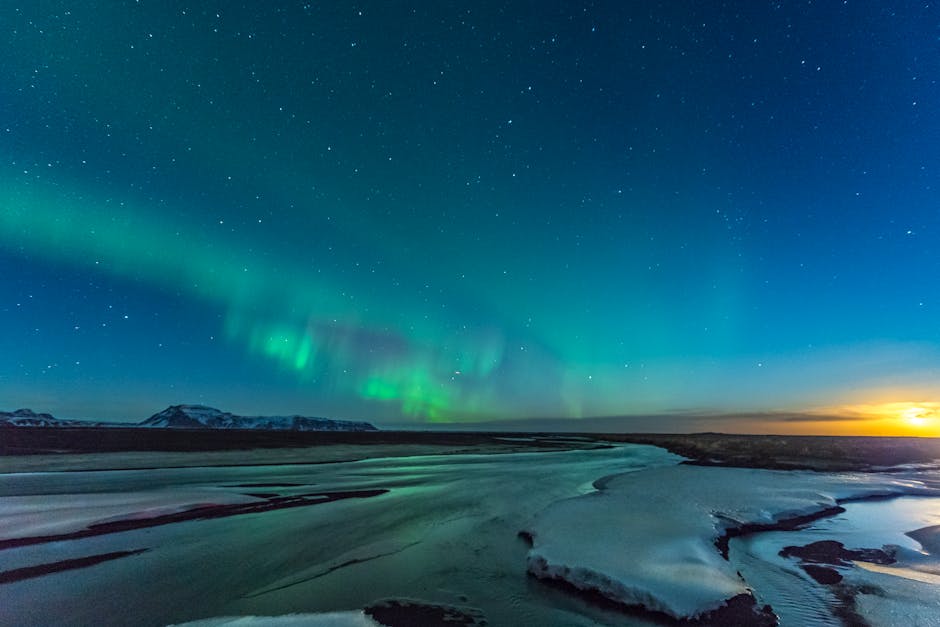
Planning an Iceland travel guide with Northern Lights experience means preparing for one of the most unforgettable natural spectacles on Earth. The aurora borealis dances across Iceland’s winter skies from late September to mid-March, offering travelers a rare chance to witness shimmering greens, purples, and pinks illuminating the dark Arctic night. This guide covers the best times to visit, top viewing locations, essential gear, and practical tips to maximize your chances of seeing the Northern Lights—without relying on luck alone.
When to Visit Iceland for the Northern Lights
The Northern Lights are only visible during dark, clear nights, which means your best window is between late September and mid-March. December through February offers the longest nights, increasing your viewing opportunities, but also brings colder temperatures and more unpredictable weather. September and October provide milder conditions and fewer crowds, while November and March balance darkness with slightly better weather odds. Avoid full moon nights if possible—bright moonlight can wash out faint auroras.
Ideal Viewing Conditions
- Clear skies: Cloud cover is the biggest obstacle. Check real-time cloud maps and aurora forecasts.
- Low light pollution: Stay away from city centers like Reykjavik. Head to rural areas or national parks.
- High solar activity: Use apps like My Aurora Forecast or the Icelandic Meteorological Office’s aurora forecast to monitor KP index levels (aim for KP 3 or higher).
Top Locations to See the Northern Lights in Iceland
While the lights can technically appear anywhere under dark skies, certain spots offer consistently better visibility and stunning backdrops.
1. Thingvellir National Park
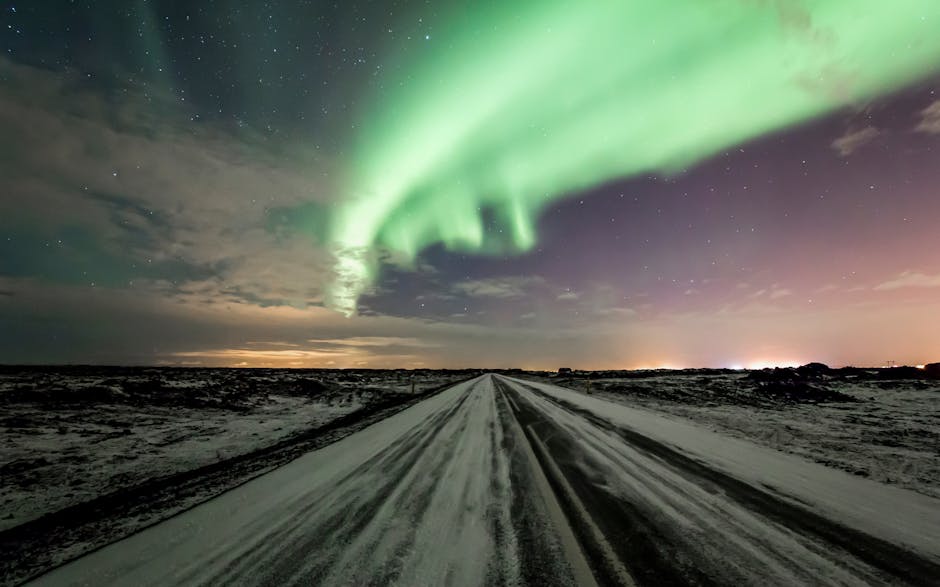
A UNESCO World Heritage Site located within the Golden Circle, Thingvellir offers open skies, minimal light pollution, and dramatic geological scenery. Its location along the rift between tectonic plates adds a unique visual element to aurora photography.
2. Jökulsárlón Glacier Lagoon
On Iceland’s south coast, this glacial lake reflects the auroras in its still waters, creating mirror-like displays. Combine your visit with a stop at Diamond Beach, where ice chunks glow under the northern lights.
3. Lake Mývatn (North Iceland)
This volcanic region in the north offers geothermal activity, lava fields, and dark skies. The area is less touristy than the south, increasing your chances of solitude and clear views.
4. Snæfellsnes Peninsula
Often called “Iceland in miniature,” this western peninsula features mountains, glaciers, and coastal cliffs. Kirkjufell mountain is a popular foreground for aurora photos.
What to Pack for Your Northern Lights Trip
Iceland’s winter weather demands preparation. Even if you’re only out for a few hours, hypothermia and wind chill are real risks.
- Insulated, waterproof boots: Essential for snow and icy terrain.
- Thermal base layers: Merino wool or synthetic materials wick moisture and retain heat.
- Heavy winter jacket and pants: Look for down or synthetic insulation rated for sub-zero temperatures.
- Wool hat, gloves, and neck gaiter: Heat escapes quickly from the head and extremities.
- Headlamp with red light mode: Preserves night vision while setting up camera equipment.
- Portable power bank: Cold drains phone batteries rapidly.
Northern Lights Tours vs. Independent Viewing
Deciding whether to join a guided tour or hunt the lights on your own depends on your experience, budget, and comfort level.
| Feature | Guided Northern Lights Tour | Independent Viewing |
|---|---|---|
| Local Expertise | Guides track weather and aurora forecasts in real time | You must monitor conditions yourself |
| Transportation | Included; vehicles equipped for winter roads | Requires rental car and winter driving confidence |
| Cost | Typically $80–$150 per person | Free (excluding fuel and parking) |
| Group Size | Can be large; less flexibility | Private; full control over timing and location |
| Photography Help | Many tours offer camera assistance | Self-guided; bring a tripod and know your settings |
First-time visitors or those uncomfortable driving in snow may prefer a guided tour. Experienced travelers with a 4×4 rental and navigation skills often enjoy the freedom of independent exploration.
Photographing the Northern Lights
Capturing the aurora requires more than a smartphone. While modern phones can sometimes pick up faint lights, a DSLR or mirrorless camera with manual settings yields the best results.
Camera Settings for Aurora Photography
- Mode: Manual (M)
- Aperture: f/2.8 or wider (lower f-number)
- Shutter Speed: 10–25 seconds (longer exposures blur fast-moving lights)
- ISO: 1600–3200 (higher ISO increases noise)
- Focus: Manual focus set to infinity (use live view on a bright star)
- Tripod: Essential to prevent camera shake
Shoot in RAW format for better post-processing flexibility. Avoid using flash or artificial lights, which can ruin both your shot and others’ viewing experience.
Safety Tips for Nighttime Exploration
Driving and hiking at night in Iceland’s winter requires caution.
- Always check road conditions at road.is before heading out.
- Never stop on the shoulder of Route 1 (the Ring Road) to view the lights—pull into designated parking areas.
- Inform someone of your travel plans if venturing into remote areas.
- Carry a physical map or offline GPS; cell service is limited outside towns.
- Avoid walking on frozen lakes or rivers—ice thickness can be deceptive.
Combining the Northern Lights with Other Icelandic Experiences
Your Iceland travel guide with Northern Lights experience shouldn’t end at aurora hunting. The country offers a wealth of winter activities that complement your trip.
Golden Circle Tour
Visit Thingvellir National Park, Geysir geothermal area, and Gullfoss waterfall during daylight. Many tours operate in winter, and some include Northern Lights searches on the return to Reykjavik.
Blue Lagoon or Sky Lagoon
Soak in geothermal waters under the stars. The Blue Lagoon is open year-round, and while lights aren’t guaranteed, the contrast of warm water and cold air under a starry sky is magical.
Ice Caves
From November to March, guided tours explore natural ice caves in Vatnajökull Glacier. These crystalline structures are otherworldly, especially when lit by headlamps or soft auroral glow.
Whale Watching
Depart from Akureyri (north) or Húsavík, known as the whale-watching capital of Iceland. Winter tours are less crowded, and orcas are sometimes spotted.
Common Mistakes to Avoid
- Expecting lights every night: Even in peak season, visibility depends on solar activity and weather. Plan a 5–7 day trip to improve your odds.
- Staying in Reykjavik: Light pollution reduces visibility. Drive at least 30–45 minutes outside the city.
- Not checking forecasts: Rely on the Icelandic Meteorological Office (en.vedur.is) for reliable aurora and weather updates.
- Wearing cotton: Cotton retains moisture and loses insulating properties when wet. Stick to wool or synthetics.
Final Tips for a Successful Trip
To make the most of your Iceland travel guide with Northern Lights experience, flexibility is key. Weather and solar activity are unpredictable, so build extra days into your itinerary. Stay in accommodations outside major towns—many countryside hotels and guesthouses offer wake-up calls if the aurora appears overnight.
Download essential apps before you go: Aurora Forecast, Vedur (weather), and Maps.me (offline maps). Charge devices during the day, and keep spare batteries warm in an inner pocket.
Remember, the Northern Lights are a natural phenomenon—no one can guarantee a sighting. But with preparation, patience, and a bit of luck, witnessing this celestial display becomes a highlight of any Icelandic adventure.
FAQ
What is the best month to see the Northern Lights in Iceland?
Late September to mid-March offers the best chances. December to February has the darkest skies, but November and March often have clearer weather.
Do I need a special camera to photograph the Northern Lights?
A DSLR or mirrorless camera with manual settings works best. Modern smartphones can capture faint lights, but results vary widely.
Can I see the Northern Lights from Reykjavik?
It’s possible during strong solar activity, but light pollution reduces visibility. For the best views, travel at least 30–45 minutes outside the city.