
Ireland Travel Guide with Scenic Routes and Travel Tips
Planning a trip to Ireland? This Ireland travel guide with scenic routes and travel tips covers the best drives, essential planning advice, and practical insights to help you explore the Emerald Isle with confidence. From the rugged Wild Atlantic Way to the dramatic Cliffs of Moher, Ireland offers some of Europe’s most breathtaking landscapes—best experienced by car. Whether you’re drawn to ancient castles, coastal villages, or rolling green hills, this guide delivers clear, actionable advice to make your journey smooth and memorable.

Top Scenic Drives in Ireland
Ireland’s countryside is best explored on the open road. Renting a car gives you the freedom to follow winding coastal routes, stop at hidden gems, and experience the country at your own pace. Here are three must-drive scenic routes that showcase Ireland’s natural beauty.
The Wild Atlantic Way
Stretching over 2,500 kilometers along the west coast, the Wild Atlantic Way is Ireland’s most famous driving route. It begins in County Donegal and ends in County Cork, passing through nine counties and some of the country’s most dramatic coastal scenery. Key stops include the Slieve League Cliffs in Donegal—higher than the Cliffs of Moher—and the surf town of Bundoran. In County Galway, the Connemara region offers moody mountains, stone walls, and quiet lakes. Don’t miss the Aran Islands, accessible by ferry from Doolin, where ancient Irish culture remains strong.
The Ring of Kerry
This 179-kilometer loop in County Kerry is one of Ireland’s most popular drives. Starting and ending in Killarney, the route circles the Iveragh Peninsula, offering views of mountains, lakes, and the Atlantic Ocean. Highlights include the Gap of Dunloe, a narrow mountain pass perfect for hiking or cycling, and the Skellig Ring, a quieter extension that leads to the UNESCO World Heritage site Skellig Michael. While the main route can get busy in summer, starting early or driving counter-clockwise helps avoid crowds.
The Causeway Coastal Route
Located in Northern Ireland, this 120-mile drive runs from Belfast to Derry~Londonderry, following the dramatic coastline of the Antrim Plateau. The route includes the iconic Giant’s Causeway, a UNESCO site made of hexagonal basalt columns formed by volcanic activity. Other stops include the Carrick-a-Rede Rope Bridge, the seaside town of Portrush, and the Dark Hedges—an atmospheric tree-lined avenue featured in Game of Thrones. This route blends natural wonders with rich history, making it ideal for travelers interested in both landscape and lore.
Essential Travel Tips for Visiting Ireland
A successful trip to Ireland requires more than just a map. Weather, driving rules, and local customs can affect your experience. Here are key tips to help you prepare.
Driving in Ireland: What to Know
Ireland drives on the left, which can be disorienting for visitors from countries that drive on the right. If you’re not used to it, take time to adjust—especially when turning at roundabouts, which are common. Most rental cars are manual transmission; automatics are available but cost more and book up quickly in peak season.
Roads vary widely in quality. Motorways (M-roads) are well-maintained, but rural routes—often narrow, single-lane roads—can be challenging. Use caution on country lanes, particularly in wet weather. Always carry a physical map or download offline maps, as mobile coverage can be spotty in remote areas.
Weather and Packing Essentials
Ireland’s weather is famously unpredictable. Rain can occur any time of year, even in summer. Pack a waterproof jacket, sturdy walking shoes, and layers. A compact umbrella is useful, but wind often makes it impractical—opt for a hooded raincoat instead.
Even in July and August, temperatures rarely exceed 20°C (68°F). Winter travel is possible but limited; many attractions close from November to March. Spring (April–May) and early autumn (September–October) offer milder weather, fewer crowds, and lower prices.
Accommodation and Booking Advice
Ireland offers a range of lodging, from luxury hotels to family-run B&Bs. Guesthouses and farm stays provide a personal touch and often include a full Irish breakfast. Book accommodations in advance during peak season (June–August), especially in popular areas like the Ring of Kerry or Dublin.
Consider staying in smaller towns rather than major cities to experience local life and reduce costs. Many rural accommodations are located near scenic routes, making them ideal bases for day trips.
Must-See Attractions Beyond the Scenic Drives
While the roads are a highlight, Ireland’s cultural and historical sites are equally compelling. Here are a few stops that deserve a place on your itinerary.
Dublin: History and Culture
Ireland’s capital blends literary heritage with modern energy. Visit Trinity College to see the Book of Kells, explore the Guinness Storehouse, or walk along the River Liffey. The Temple Bar district is lively but touristy—better for an evening drink than daytime exploration. For a quieter experience, head to Phoenix Park, one of Europe’s largest urban parks, home to the Irish President and a herd of wild fallow deer.
Ancient Sites and Monuments
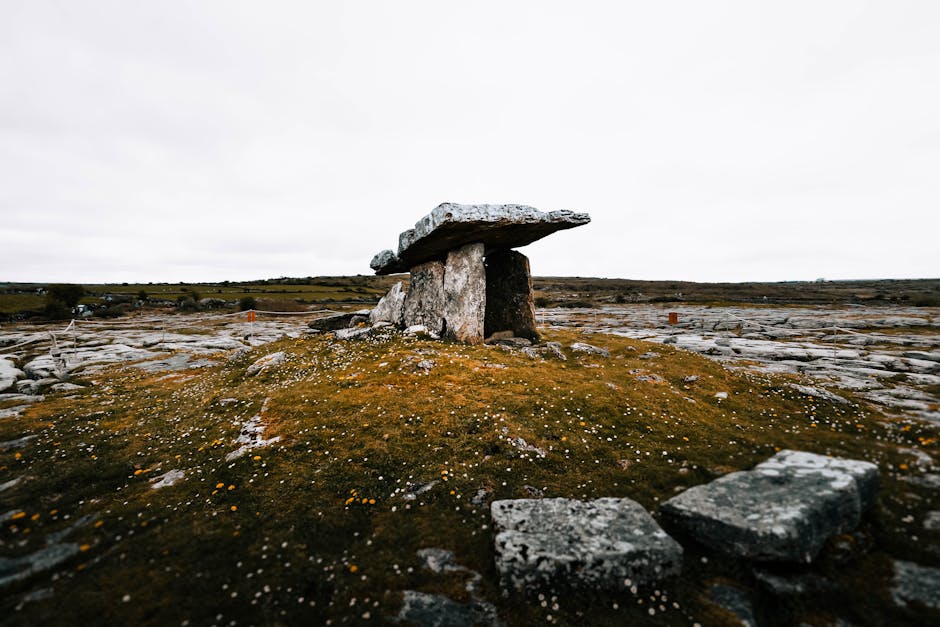
Ireland is dotted with prehistoric sites older than the pyramids. Newgrange in County Meath, a 5,200-year-old passage tomb, is aligned with the winter solstice sunrise. The Hill of Tara, once the seat of Ireland’s high kings, offers panoramic views and deep historical significance. In the west, the Céide Fields in County Mayo reveal the world’s oldest known field systems, preserved under bogland.
Traditional Music and Local Experiences
Live music is a cornerstone of Irish culture. Pubs in Galway, Doolin, and Cork regularly host traditional sessions with fiddles, tin whistles, and bodhráns. These gatherings are informal and welcoming—don’t be shy about joining in or asking for song requests. Many towns also host weekly markets selling local crafts, food, and woolens.
Compact Comparison of Popular Scenic Routes
| Route Name | Length | Region | Best For | Travel Tip |
|---|---|---|---|---|
| Wild Atlantic Way | 2,500 km | West Coast | Coastal scenery, remote villages | Allow 7–10 days; fuel stations sparse in parts |
| Ring of Kerry | 179 km | County Kerry | Mountain and lake views, historic sites | Drive counter-clockwise to avoid traffic |
| Causeway Coastal Route | 193 km | Northern Ireland | Geological wonders, dramatic cliffs | Visit Giant’s Causeway early to avoid crowds |
Final Tips for a Smooth Journey
To make the most of your Ireland travel guide with scenic routes and travel tips, keep these takeaways in mind:
- Book rentals and accommodations early—especially from June to August.
- Fill up on fuel when you can—rural areas have fewer stations.
- Respect local customs—Irish people value politeness and conversation.
- Download offline maps—mobile service drops in remote regions.
- Pack for rain—even if the forecast looks clear.
FAQ
What is the best time of year to visit Ireland for scenic drives?
Spring (April–May) and early autumn (September–October) offer the best balance of good weather, fewer crowds, and open attractions. Summer is peak season but can be busy and rainy.
Do I need an international driver’s permit to drive in Ireland?
If your license is in English and issued by a recognized country (like the U.S., Canada, or EU), you can drive for up to 12 months without a permit. Otherwise, an International Driving Permit (IDP) is recommended.
Are scenic routes in Ireland suitable for small rental cars?Yes, but rural roads can be narrow and winding. A compact car is ideal for country lanes, though ensure it’s in good condition and equipped for wet weather.
Conclusion
This Ireland travel guide with scenic routes and travel tips equips you with the knowledge to explore the island’s stunning landscapes safely and enjoyably. From the Atlantic coast to ancient stone circles, Ireland rewards those who venture beyond the cities. With careful planning, the right gear, and a spirit of adventure, your trip will be as smooth as it is unforgettable.