
Kenya Travel Guide with Safari and Wildlife Experience
Kenya offers one of the world’s most authentic and accessible safari and wildlife experiences. From the vast plains of the Maasai Mara to the flamingo-lined shores of Lake Nakuru, this East African nation delivers unforgettable encounters with the Big Five and beyond. Whether you’re planning your first safari or returning for a deeper immersion, this Kenya travel guide with safari and wildlife experience covers essential destinations, timing, logistics, and practical tips to help you make the most of your journey.
Why Kenya for Safari and Wildlife?
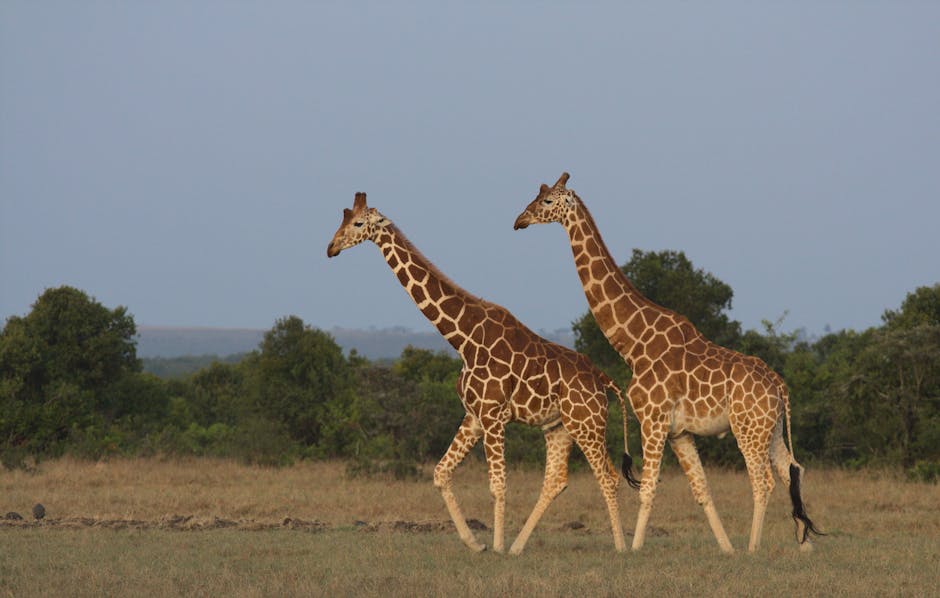
Kenya’s reputation as a premier safari destination is well earned. Its protected areas cover over 10% of the country’s landmass, and its ecosystems support an extraordinary diversity of animals and birds. Unlike many safari destinations, Kenya offers a mix of luxury lodges, community-run camps, and mobile tented camps, making it accessible to a wide range of travelers.
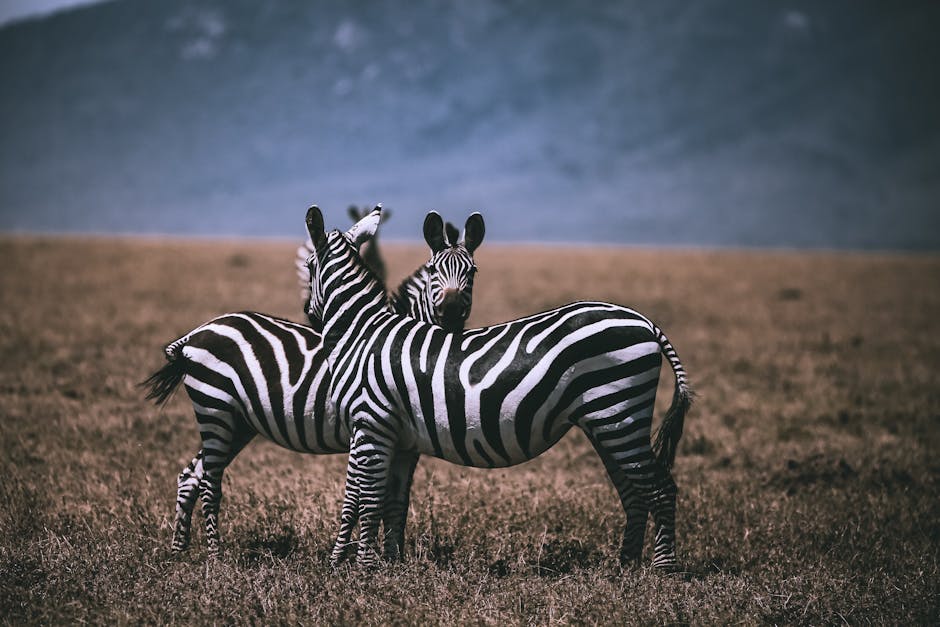
The country’s open savannas, acacia-dotted hills, and riverine forests create ideal conditions for game viewing. The annual Great Migration—where over 1.5 million wildebeest, zebras, and gazelles move between Kenya and Tanzania—peaks in the Maasai Mara between July and October, making it one of nature’s most dramatic events.
Top Safari Destinations in Kenya
While Kenya has numerous parks and reserves, a few stand out for first-time and returning visitors:
- Maasai Mara National Reserve: The crown jewel of Kenyan safaris, known for high concentrations of lions, leopards, and the Great Migration.
- Amboseli National Park: Famous for its large elephant herds and views of Mount Kilimanjaro on clear days.
- Tsavo National Park (East and West): Kenya’s largest park, offering rugged terrain, red elephants, and fewer crowds.
- Lake Nakuru National Park: A birdwatcher’s paradise with flamingos, rhinos, and Rothschild’s giraffes.
- Samburu National Reserve: Home to northern specials like the Grevy’s zebra, Somali ostrich, and reticulated giraffe.
Choosing the Right Park for Your Trip
Your choice of park depends on your interests, budget, and travel season. For first-time visitors, the Maasai Mara is the most popular and accessible. If you prefer fewer tourists and dramatic landscapes, Tsavo or Samburu may be better fits. Bird enthusiasts will find Lake Nakuru unmatched during peak migration periods.
Best Time to Visit Kenya for Safari
Kenya’s climate is generally favorable year-round, but timing affects wildlife viewing and crowd levels.
- July to October: Dry season; ideal for the Great Migration in the Maasai Mara. Animals gather around water sources, making them easier to spot.
- January to March: Another dry period with excellent game viewing and calmer crowds. Great for photography due to clear skies.
- April to June: Long rains; parks are lush and green, but some roads may be impassable. Fewer tourists mean lower prices.
- November to December: Short rains; brief showers with good visibility and newborn animals in many reserves.
Note that peak seasons (July–October and January–February) require advance bookings, especially in the Maasai Mara.
Planning Your Safari: Step-by-Step
A successful safari starts with thoughtful planning. Follow these steps to build a smooth and rewarding trip:
- Set your travel dates: Align with your preferred season and migration timing.
- Choose your parks: Limit to 2–3 reserves to avoid excessive travel time.
- Decide on accommodation type: Options range from budget camps to luxury lodges. Consider location, amenities, and included activities.
- Book with a reputable operator: Use licensed safari companies with experienced guides. Check reviews and ask about vehicle type, guide qualifications, and park fees.
- Arrange flights and transfers: Most safaris begin with a flight from Nairobi to regional airstrips (e.g., Mara, Amboseli).
- Prepare documents and health requirements: Ensure your passport is valid for six months, obtain a visa (available online), and check if yellow fever vaccination is required.
What to Expect on a Typical Safari Day
Safari days follow a rhythm designed to maximize wildlife sightings while respecting animal behavior.
- Early morning game drive: Depart at sunrise (around 6:00 AM) when animals are most active. This is the best time to see predators on the hunt.
- Mid-morning return: Back to camp for a hearty breakfast and rest during the hottest part of the day.
- Afternoon/evening drive: Resume around 4:00 PM, often with a sundowner—a drink stop in the bush as the sun sets.
- Night drive (in private reserves): Some conservancies allow night drives with spotlights to see nocturnal species like leopards and bush babies.
Most lodges and camps include two game drives per day in the price. Walking safaris and cultural visits to Maasai villages are also common add-ons.
Accommodation Options: Lodges vs. Tented Camps
Kenya offers a range of safari accommodations, each with distinct advantages.
| Feature | Lodges | Tented Camps |
|---|---|---|
| Comfort Level | High—permanent structures with en-suite bathrooms, electricity, and restaurants | Varies—luxury camps offer full amenities; basic camps may have shared facilities |
| Immersiveness | Less immersive; more insulated from the bush | High—canvas walls and open-air designs bring you closer to nature |
| Cost | Generally higher, especially in prime locations | Can be more affordable; luxury options match lodge prices |
| Best For | Families, first-time safari-goers, those preferring stability | Adventure travelers, repeat visitors, nature enthusiasts |
Packing Essentials for Your Kenya Safari
Smart packing ensures comfort and safety in the bush. Focus on practicality and layering.
- Clothing: Neutral colors (khaki, beige, olive); avoid bright colors and camouflage. Pack lightweight long sleeves and pants for sun and insect protection.
- Footwear: Closed-toe shoes or hiking boots; sandals for camp use.
- Gear: Binoculars, camera with zoom lens, power bank, headlamp or flashlight.
- Health: Sunscreen, insect repellent (with DEET), prescription medications, and a basic first-aid kit.
- Documents: Passport, visa, travel insurance, vaccination records, and printed itinerary.
Most lodges provide towels and toiletries, but confirm in advance. Laundry service is often available.
Safety and Health Tips
Kenya is generally safe for tourists, but standard precautions apply.
- Drink bottled or filtered water to avoid stomach issues.
- Use insect repellent and sleep under mosquito nets to reduce malaria risk. Consult your doctor about prophylaxis.
- Follow your guide’s instructions during game drives—never approach or feed wild animals.
- Keep valuables secure and avoid displaying expensive items in cities.
- Register with your embassy if staying for an extended period.
Travel insurance covering medical evacuation is strongly recommended.
Cultural Etiquette and Responsible Tourism
Respecting local cultures enhances your experience and supports sustainable tourism.
- When visiting Maasai villages, ask permission before taking photos and consider supporting community projects through donations or purchases.
- Dress modestly outside tourist areas, especially in rural communities.
- Learn a few Swahili phrases—greetings like “Jambo” (hello) and “Asante” (thank you) go a long way.
- Support eco-friendly lodges and operators that contribute to conservation and local employment.
Sample 7-Day Kenya Safari Itinerary
Here’s a balanced itinerary combining wildlife, culture, and comfort:
- Day 1: Arrive in Nairobi; overnight at a city hotel.
- Day 2: Fly to Maasai Mara; afternoon game drive.
- Day 3: Full day in Mara with morning and evening drives; optional hot air balloon safari.
- Day 4: Morning drive; fly to Amboseli; afternoon game drive with Kilimanjaro views.
- Day 5: Sunrise game drive; visit a Maasai village; relax at camp.
- Day 6: Fly back to Nairobi; visit David Sheldrick Wildlife Trust or Giraffe Centre.
- Day 7: Departure or extend to the coast (e.g., Diani Beach).
Frequently Asked Questions
Do I need a visa to visit Kenya?
Yes, most travelers need a visa. You can apply online through the official Kenya eVisa portal before departure. The process is straightforward and typically approved within a few days.
Is it safe to go on safari in Kenya?
Yes, safaris in Kenya are generally safe when conducted with licensed operators. Always follow your guide’s instructions and stay inside the vehicle during game drives.
What animals can I see on a Kenya safari?
You can see the Big Five (lion, leopard, elephant, buffalo, rhino), plus cheetahs, giraffes, zebras, hippos, crocodiles, and hundreds of bird species. The specific animals depend on the park and season.
Final Thoughts
A Kenya travel guide with safari and wildlife experience should prepare you not just for what to see, but how to experience it responsibly and comfortably. With its unmatched biodiversity, dramatic landscapes, and rich cultural heritage, Kenya delivers a safari that stays with you long after you return home. Plan early, pack wisely, and embrace the rhythm of the wild.