South Korea Travel Guide for First-Time Visitors 2026
If you’re planning your first trip to South Korea in 2026, you’re in for a dynamic mix of ancient tradition, cutting-edge technology, and vibrant city life. This South Korea travel guide for first-time visitors 2026 covers everything from must-see destinations and cultural etiquette to transportation tips and seasonal advice. Whether you’re drawn to Seoul’s neon-lit streets, the serene temples of Gyeongju, or the coastal charm of Busan, this guide helps you navigate your journey with confidence and ease.
Best Time to Visit South Korea in 2026
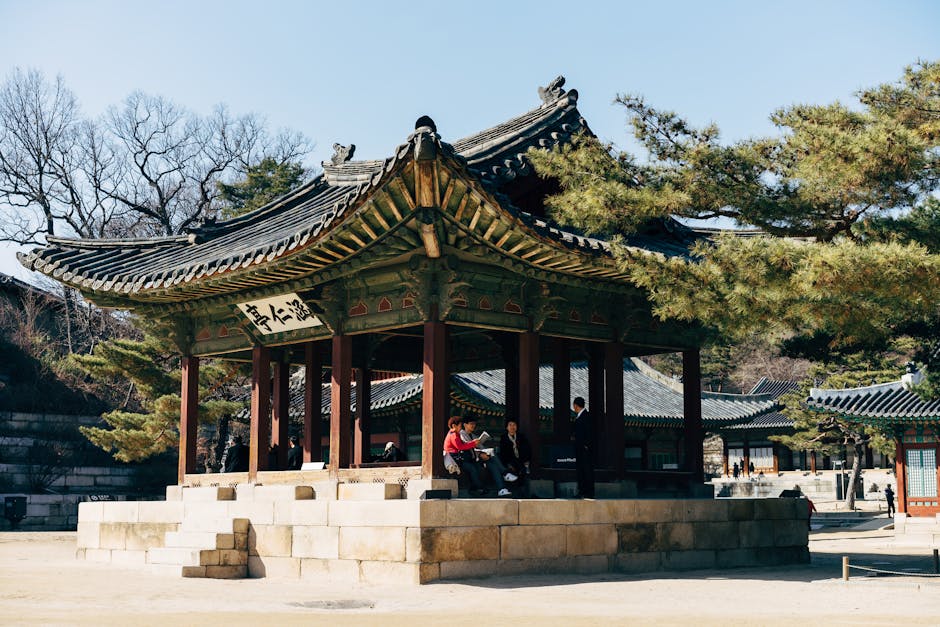
The ideal time to visit South Korea depends on your interests. Spring (April to early June) brings mild weather and cherry blossoms, especially in Seoul and Jinhae. Autumn (September to November) offers crisp air and stunning fall foliage in places like Nami Island and Seoraksan National Park. Summer (July to August) is hot and humid, with monsoon rains in July, but it’s also festival season—think Boryeong Mud Festival and Busan International Film Festival. Winter (December to February) is cold but magical, especially if you’re visiting for skiing in Pyeongchang or the ice fishing festivals in Hwacheon.
Avoid major Korean holidays like Chuseok (mid-September in 2026) and Lunar New Year (late January), when transportation fills up quickly and many businesses close. If you’re flexible, consider shoulder months like May or October for fewer crowds and pleasant weather.
Top Destinations for First-Time Travelers
Seoul: The Heart of Modern Korea
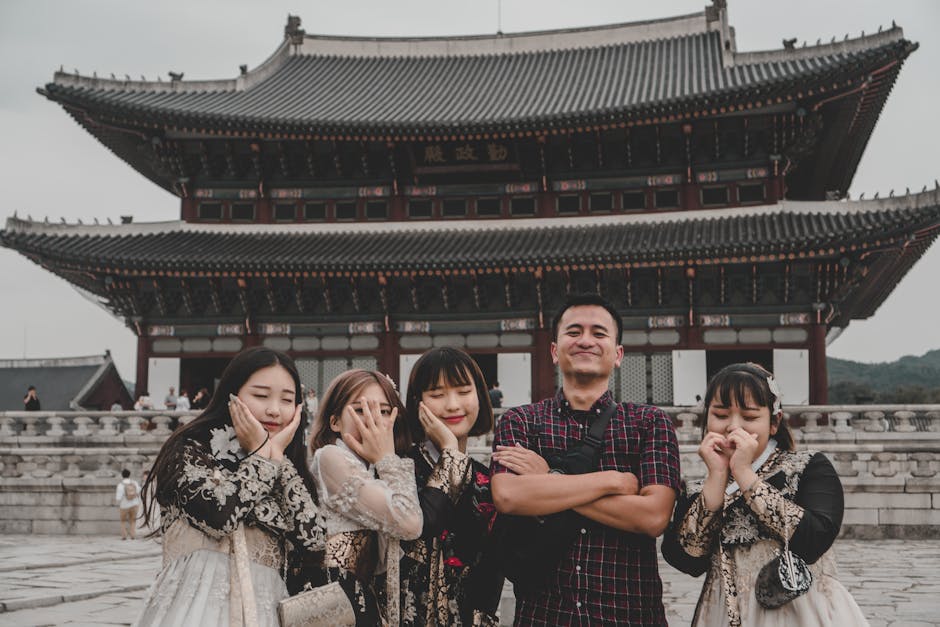
Seoul is a must-visit, blending skyscrapers with palaces. Start at Gyeongbokgung Palace, where you can watch the changing of the guard and rent a hanbok (traditional Korean attire) for free entry. Explore the historic Bukchon Hanok Village, then head to Myeongdong for street food and shopping. For a panoramic city view, visit N Seoul Tower on Namsan Mountain.
Don’t miss Insadong for traditional crafts and tea houses, and Hongdae for youthful energy, indie music, and late-night cafes. The Dongdaemun Design Plaza (DDP) is a futuristic landmark with exhibitions and a 24-hour shopping complex.
Busan: Coastal Energy and Fresh Seafood
South Korea’s second-largest city offers beaches, mountains, and a laid-back vibe. Haeundae Beach is the most famous, perfect for a summer swim or winter walk. Nearby, the Dongbaekseom Island walking trail offers ocean views and the iconic Nurimaru APEC House.
Gamcheon Culture Village, with its colorful houses and murals, feels like a real-life fairy tale. Jagalchi Fish Market is the place to try live seafood—order raw octopus (sannakji) or grilled eel right from the tank. For spiritual calm, visit Haedong Yonggungsa Temple, uniquely built along the coastline.
Jeju Island: Korea’s Tropical Escape
Often called “Korea’s Hawaii,” Jeju Island is a volcanic paradise with black-sand beaches, waterfalls, and Hallasan Mountain—the country’s highest peak. Rent a car to explore freely, as public transport is limited. Visit Seongsan Ilchulbong (Sunrise Peak) for a sunrise hike, and stop by Manjanggul Cave, one of the world’s longest lava tubes.
Jeju is also known for its oranges, so don’t leave without trying hallabong marmalade or a fresh juice. The island is car-free in some eco-zones, so plan accordingly.
Gyeongju: The Museum Without Walls
Once the capital of the ancient Silla Kingdom, Gyeongju is rich in UNESCO World Heritage sites. See the Cheomseongdae Observatory, one of Asia’s oldest, and the Bulguksa Temple, a masterpiece of Buddhist architecture. The nearby Seokbulsa Stone Buddha is carved directly into a cliff face.
Cycle around the city’s historic parks or take a day trip to Yangdong Village, a preserved traditional Korean village. Gyeongju is quieter than Seoul or Busan, making it ideal for travelers seeking history and reflection.
Getting Around: Transportation Tips
South Korea has one of the world’s most efficient public transportation systems. In cities, subways and buses are clean, punctual, and easy to navigate with English signage.
- Seoul Metro: Use a T-money card (available at convenience stores and subway stations) for discounted fares and transfers between subway and bus.
- KTX High-Speed Rail: Connects major cities like Seoul, Busan, and Gwangju in under 3 hours. Book tickets in advance via Korail’s website or app for better prices.
- Intercity Buses: Affordable and frequent, especially useful for reaching smaller towns or islands like Jeju (via ferry from Busan).
- Taxis: Available everywhere, but drivers rarely speak English. Use KakaoTaxi app to input your destination in Korean or show a written address.
Renting a car is not recommended in Seoul due to traffic and parking costs, but it’s useful in rural areas like Jeju or the Korean countryside. International driving permits are required.
What to Eat: A Food Lover’s Guide
Korean cuisine is bold, fermented, and deeply flavorful. Start with classics like:
- Kimchi: Fermented cabbage or radish, served with almost every meal.
- Bibimbap: A mixed rice bowl with vegetables, meat, and gochujang (red chili paste).
- Korean BBQ: Grill your own meat at the table—popular cuts include samgyeopsal (pork belly) and galbi (short ribs).
- Tteokbokki: Spicy rice cakes, a favorite street snack.
- Hotteok: Sweet pancakes filled with brown sugar and nuts, perfect in winter.
Vegetarians should note that many dishes contain fish sauce or anchovy broth. Look for “채식” (chaesik) on menus or visit temple cuisine restaurants like those near Bulguksa Temple.
Drinkers can try soju (a clear spirit similar to vodka) or makgeolli (a milky rice wine). Always pour drinks for others, and use two hands as a sign of respect.
Cultural Etiquette and Travel Tips
Understanding local customs will enhance your experience and help you blend in.
- Bowing: A slight bow is common when greeting or thanking someone.
- Shoes Off: Remove shoes before entering homes, temples, and some traditional restaurants.
- Chopsticks: Don’t stick them upright in rice—it resembles a funeral ritual. Use the spoon for rice and soup.
- Tipping: Not expected and may be refused. Excellent service is standard.
- Public Behavior: Avoid loud conversations on public transport. Eating while walking is frowned upon in many areas.
Download essential apps before you go: Naver Maps (more accurate than Google Maps in Korea), Papago (for translation), and KakaoMetro (for subway routes).
Accommodation Options
South Korea offers a range of stays to suit every budget:
- Hotels: From luxury chains like Lotte to mid-range business hotels, widely available in cities.
- Guesthouses & Hostels: Clean, affordable, and often located near subway stations. Great for solo travelers.
- Hanok Stays: Traditional wooden houses, especially in Bukchon (Seoul) or Jeonju. Offer cultural immersion but may lack modern amenities.
- Jjimjilbang (Spa Resorts): Overnight stays in gender-segregated bathhouses with sleeping areas. Popular and economical.
Book accommodations in advance during peak seasons. Use platforms like Agoda, Booking.com, or directly through hotel websites for the best rates.
Safety and Health
South Korea is one of Asia’s safest countries, with low crime rates and efficient emergency services. Still, keep these tips in mind:
- Carry a copy of your passport and visa. Foreigners must carry ID at all times.
- Tap water is safe to drink nationwide.
- Pharmacies (약국) are widespread and sell over-the-counter medications. For serious issues, visit a hospital (병원) or clinic (의원).
- Emergency numbers: 112 (police), 119 (fire/ambulance).
Travel insurance is strongly recommended, especially for adventure activities like hiking or skiing.
Packing Essentials for 2026
Pack smart based on the season:
- Spring/Autumn: Layers, light jacket, comfortable walking shoes.
- Summer: Light clothing, sunscreen, umbrella (for rain), insect repellent.
- Winter: Thermal wear, down jacket, gloves, and waterproof boots.
Adapters are needed for electronics—South Korea uses Type C and F plugs (220V). Bring a portable Wi-Fi device or rent a pocket Wi-Fi at the airport for constant connectivity.
Comparison: Major Cities at a Glance
| City | Best For | Average Daily Cost (USD) | Must-Do Activity |
|---|---|---|---|
| Seoul | Culture, shopping, nightlife | $80–$120 | Visit Gyeongbokgung Palace |
| Busan | Beaches, seafood, relaxation | $70–$100 | Walk Haeundae Beach at sunset |
| Jeju Island | Nature, hiking, tranquility | $90–$130 | Hike Hallasan Mountain |
| Gyeongju | History, temples, peace | $60–$90 | Explore Bulguksa Temple |
Final Tips for a Smooth Trip
- Learn basic Korean phrases like “Annyeonghaseyo” (Hello), “Gamsahamnida” (Thank you), and “Eolmayeyo?” (How much?).
- Carry cash—small vendors and street food stalls may not accept cards.
- Respect photography rules—don’t take pictures inside temples or of people without permission.
- Use lockers at subway stations or tourist centers to store luggage while exploring.
With its blend of tradition and innovation, South Korea offers an unforgettable experience for first-time visitors. Plan ahead, stay curious, and embrace the local rhythm—your 2026 adventure awaits.
FAQ
Do I need a visa to visit South Korea in 2026?
Citizens of over 100 countries, including the U.S., Canada, the UK, and Australia, can enter South Korea visa-free for up to 90 days. Check the latest requirements with your local Korean embassy before traveling.
Is South Korea expensive for tourists?
South Korea is moderately priced. Budget travelers can manage on $50–$70 per day, while mid-range travelers spend $80–$130. Street food and public transport keep costs low, but accommodations and dining in tourist areas can add up.
Can I use Google services in South Korea?
Google works in South Korea, but local platforms like Naver and Kakao are more commonly used. Download Naver Maps and Papago for better navigation and translation support during your trip.