
Sweden Travel Guide with Nature and City Attractions
Sweden offers a balanced mix of pristine natural landscapes and vibrant urban centers, making it an ideal destination for travelers seeking both adventure and culture. Whether you’re exploring the northern lights in Lapland, hiking through dense forests in Dalarna, or strolling along the cobbled streets of Stockholm’s Old Town, Sweden delivers unforgettable experiences. This Sweden travel guide with nature and city attractions covers the best places to visit, when to go, transportation tips, and practical advice to help you plan a smooth and rewarding trip.
Why Visit Sweden?
Sweden consistently ranks among the world’s most livable countries, thanks to its clean cities, strong public infrastructure, and deep respect for nature. The country spans from the Arctic Circle in the north to temperate southern regions, offering dramatic seasonal shifts and diverse environments. From the midnight sun in summer to the aurora borealis in winter, Sweden’s natural phenomena are as captivating as its design-forward cities.
Top Nature Attractions in Sweden
Nature lovers will find Sweden’s vast wilderness areas both accessible and awe-inspiring. National parks, archipelagos, and untouched forests provide endless opportunities for hiking, wildlife spotting, and outdoor relaxation.
1. Abisko National Park
Located in Swedish Lapland, Abisko is world-renowned for its clear skies and prime viewing conditions for the northern lights. The park features the Kungsleden (King’s Trail), a 440-kilometer hiking route that traverses alpine terrain, glacial rivers, and pine forests. Even in summer, the midnight sun allows for 24-hour daylight adventures.
2. Sarek National Park
For experienced hikers, Sarek offers raw, untamed wilderness with over 200 peaks and countless glaciers. There are no marked trails or facilities—this is true backcountry exploration. It’s ideal for those seeking solitude and a challenge.
3. Tiveden National Park
Nestled between Lake Vänern and Lake Vättern, Tiveden is rich in folklore and dense with ancient forests and rocky outcrops. Popular for day hikes and camping, it’s easily reachable from Gothenburg and Stockholm.
4. The Stockholm Archipelago
Just a short ferry ride from central Stockholm, this collection of over 30,000 islands offers kayaking, swimming, and island-hopping. Vaxholm and Fjäderholmarna are popular starting points for day trips.
Best City Attractions in Sweden
Sweden’s cities blend historic charm with modern innovation. Each urban center offers unique architecture, world-class museums, and a high quality of life.
1. Stockholm
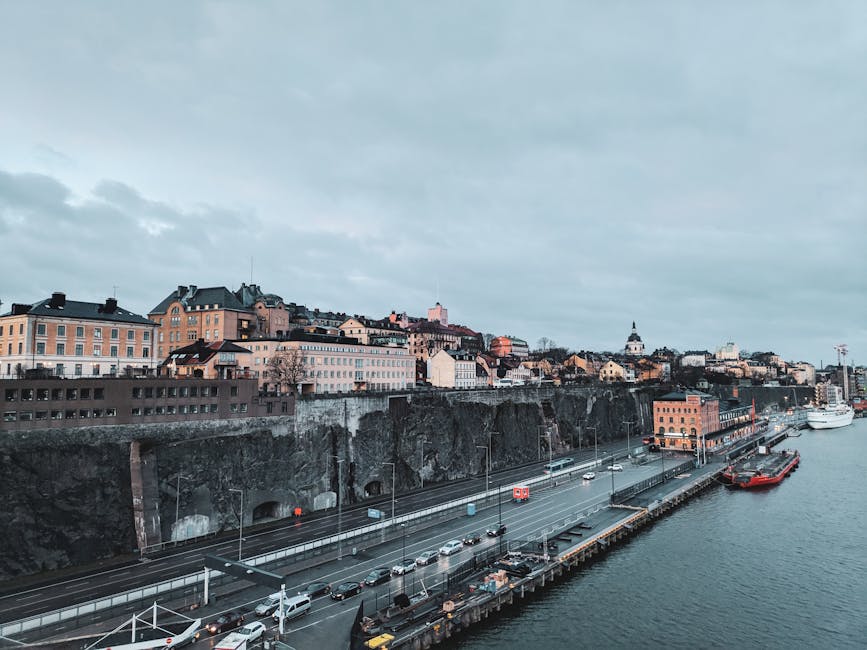
Built across 14 islands, Stockholm is a maritime city with a rich royal history. Key attractions include:
- Gamla Stan: The medieval old town with colorful buildings, narrow alleys, and the Royal Palace.
- Vasa Museum: Home to a 17th-century warship salvaged intact, one of Sweden’s most visited museums.
- Djurgården Island: A green oasis with museums, parks, and walking trails.
- Fotografiska: A contemporary photography museum with rotating exhibitions and a rooftop café.
2. Gothenburg
Sweden’s second-largest city on the west coast is known for its relaxed vibe, canals, and strong food scene. Don’t miss:
- Liseberg: Scandinavia’s largest amusement park, open seasonally with rides and concerts.
- Haga District: Cobblestone streets lined with cafes, boutiques, and wooden houses.
- Universeum: A science center with aquariums, a rainforest, and interactive exhibits.
3. Malmö
Connected to Copenhagen by the Øresund Bridge, Malmö is a multicultural hub with modern architecture and green spaces.
- Turning Torso: A twisting skyscraper and landmark of contemporary design.
- Malmö Castle: A 16th-century fortress now housing historical exhibitions.
- Pildammsparken: One of Europe’s largest public parks, perfect for picnics and walks.
When to Visit Sweden
Sweden’s climate varies significantly by region and season. Timing your visit depends on what you want to experience.
| Interest | Best Months | Why |
|---|---|---|
| Northern Lights | December–March | Long, dark nights with clear skies in the north |
| Midnight Sun | May–July | 24-hour daylight above the Arctic Circle |
| Hiking & Outdoor Activities | June–August | Warm weather, open trails, accessible parks |
| City Sightseeing | May–September | Mild temperatures, long days, festivals |
| Avoiding Crowds | April, September–October | Fewer tourists, lower prices, autumn colors |
Getting Around Sweden
Sweden has an efficient and eco-conscious public transportation system. Trains, buses, and ferries connect major cities and remote areas.
Trains
Operated primarily by SJ (Swedish Railways), trains are punctual, comfortable, and scenic. High-speed routes link Stockholm, Gothenburg, Malmö, and Copenhagen. The Norrland Line offers breathtaking views of northern forests and rivers.
Buses
Companies like FlixBus and Vy provide affordable long-distance travel. Buses are a good option for reaching smaller towns or national parks not served by rail.
Domestic Flights
For quick travel between distant regions—such as Stockholm to Kiruna—domestic flights are available. Airlines include SAS and Norwegian.
Renting a Car
Having a car gives flexibility, especially in rural areas. Note that driving is on the right, and winter tires are mandatory in snowy conditions. Always carry snow chains if traveling north in winter.
Where to Stay
Accommodation in Sweden ranges from luxury hotels to eco-lodges and hostels. Options vary by region:
- Stockholm: Stay in Södermalm for trendy cafes and design shops, or Östermalm for upscale hotels near museums.
- Gothenburg: Centrum offers central access, while Majorna provides a local, artsy vibe.
- Lapland: Consider a stay in a glass igloo (like at Icehotel in Jukkasjärvi) for northern lights viewing, or a traditional cabin in Abisko.
Food and Drink in Sweden
Swedish cuisine emphasizes fresh, local ingredients. Traditional dishes include:
- Smörgåsbord: A buffet-style meal with herring, meatballs, potatoes, and pickled vegetables.
- Köttbullar: Swedish meatballs served with cream sauce and lingonberry jam.
- Gravlax: Cured salmon with dill and mustard sauce.
- Fika: A cultural ritual of coffee and pastries (like cinnamon buns), best enjoyed in a cozy café.
Sweden also has a growing craft beer and coffee scene. Look for local microbreweries in cities and independent roasteries in towns like Lund and Uppsala.
Travel Tips and Practical Advice
- Language: Swedish is the official language, but English is widely spoken, even in rural areas.
- Currency: The Swedish krona (SEK) is used. Credit cards are accepted almost everywhere; cash is rarely needed.
- Tipping: Not expected, as service charges are included. Rounding up is appreciated but not required.
- Eco-Friendly Travel: Sweden leads in sustainability. Use public transport, recycle diligently, and respect nature by following the allemansrätten (right to roam) responsibly.
- Weather Prep: Pack layers, even in summer. Waterproof gear is essential, especially in the north or during shoulder seasons.
Safety and Etiquette
Sweden is one of the safest countries in the world, with low crime rates and a strong social welfare system. Still, standard travel precautions apply—keep valuables secure in crowded areas and be aware of your surroundings at night.
Culturally, Swedes value personal space, punctuality, and quiet. Avoid loud conversations in public transport and respect quiet hours (typically 10 PM to 7 AM).
Sample Itinerary: 7 Days in Sweden
For a balanced trip combining nature and city life, consider this route:
- Days 1–3: Stockholm – Explore Gamla Stan, visit the Vasa Museum, take a ferry to the archipelago.
- Day 4: Train to Gothenburg – Walk through Haga, enjoy seafood at a waterfront restaurant.
- Day 5: Fly or take an overnight train to Kiruna – Experience the Arctic environment.
- Days 6–7: Abisko National Park – Hike, photograph the northern lights, stay in a mountain lodge.
Final Thoughts
A Sweden travel guide with nature and city attractions wouldn’t be complete without acknowledging the country’s unique balance of urban sophistication and wild beauty. Whether you’re chasing the aurora in the north or sipping coffee in a Stockholm café, Sweden offers a travel experience that’s both enriching and refreshing. With thoughtful planning, you can enjoy the best of both worlds—pristine landscapes and vibrant cities—on a single trip.
FAQ
What is the best way to see the northern lights in Sweden?
The best chance to see the northern lights is in Abisko National Park or Kiruna between December and March. Stay in a glass igloo or lodge with aurora alerts for optimal viewing.
Do I need a visa to visit Sweden?
Citizens of the EU, US, Canada, Australia, and many other countries can enter Sweden visa-free for up to 90 days within a 180-day period. Check the Swedish Migration Agency website for your nationality’s requirements.
Is Sweden expensive for tourists?
Yes, Sweden is relatively expensive, but budget options exist. Stay in hostels, cook your own meals, use public transport, and take advantage of free attractions like parks and many museums on certain days.