
Travel Safety Tips for Tourists Visiting New Countries
Traveling to a new country is exciting, but it comes with risks that every tourist should prepare for. Whether you’re exploring bustling cities, remote villages, or tourist hotspots, staying safe starts with smart planning and awareness. These travel safety tips for tourists visiting new countries cover essential precautions—from researching local laws to protecting your belongings—so you can enjoy your trip with confidence. This guide offers practical advice based on common risks and proven strategies used by seasoned travelers.

Research Your Destination Before You Go
One of the most effective ways to stay safe abroad is to understand where you’re going. Spend time before departure learning about local customs, common scams, transportation options, and areas to avoid. Government travel advisories—such as those from the U.S. Department of State, UK Foreign Office, or Australia’s Smartraveller—are reliable sources for up-to-date safety information.
For example, in parts of Southeast Asia, tourists are often targeted by taxi scams or overpriced tours. In some European cities, pickpocketing is common in crowded metro stations and tourist attractions like train stations and museums. Knowing these risks in advance helps you avoid them.
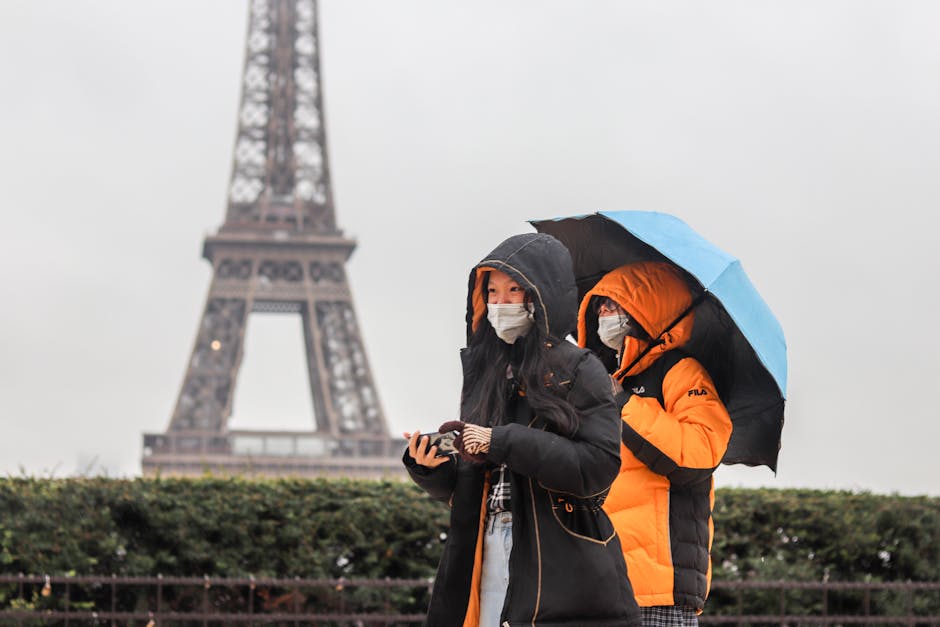
Also, familiarize yourself with local laws. What’s legal at home might not be abroad. In Dubai, for instance, public displays of affection can lead to arrest. In Thailand, disrespecting the monarchy is a serious crime. A quick online search or embassy consultation can prevent serious trouble.
Secure Your Documents and Valuables
Protecting your passport, visa, credit cards, and cash is critical. Carry only what you need each day and leave extra cash and backup cards in a hotel safe. Make digital copies of important documents and store them securely in cloud storage or email them to yourself.
Use a money belt or hidden pouch for carrying essential items like your passport and emergency cash. Avoid flashing expensive jewelry, cameras, or electronics in public, especially in unfamiliar neighborhoods.
When using ATMs, choose machines inside banks or well-lit, busy areas. Shield your PIN and be aware of skimming devices. In countries like Mexico or Italy, card cloning is a known issue, so monitor your bank statements regularly.
Stay Connected and Share Your Plans
Always let someone back home know your itinerary, including where you’re staying and when you plan to move locations. Check in regularly, especially if you’re traveling solo or in remote areas.
Consider getting a local SIM card or an international data plan so you can use maps, translation apps, and emergency services. Apps like Google Translate, Maps.me (offline maps), and TripIt can be lifesavers when navigating foreign cities.
In case of emergency, know the local equivalent of 911. In most of Europe, it’s 112. In Japan, it’s 110 for police and 119 for fire and medical. Save these numbers in your phone and write them down.
Use Reliable Transportation
Public transportation is usually safe in major cities, but it pays to be cautious. In cities like Bangkok or Mexico City, official taxis are safer than unmarked cabs. Use ride-sharing apps like Uber or local equivalents when available, as they provide driver details and trip tracking.
Avoid traveling at night in unfamiliar areas, especially if you’re alone. If you must, stay in well-lit, populated zones and avoid isolated bus stops or train platforms.
When renting a car, ensure the vehicle is insured and road conditions are suitable. In countries like Vietnam or India, traffic can be chaotic and unpredictable. Always wear seatbelts and avoid driving after dark in rural areas.
Dress Appropriately and Respect Local Culture
Blending in helps you avoid unwanted attention. In conservative countries like Saudi Arabia, Iran, or parts of Indonesia, dress modestly—cover shoulders and knees, especially when visiting religious sites.
Avoid wearing clothing with political slogans or symbols that might be controversial. In some countries, even seemingly harmless symbols can cause offense or legal issues.
Learning a few basic phrases in the local language—like “hello,” “thank you,” and “help”—goes a long way in building goodwill and can be crucial in emergencies.
Be Aware of Common Tourist Scams
Scammers often target tourists because they appear vulnerable or unfamiliar with local norms. Common tactics include:
- Fake petitions or charity collectors who distract you while an accomplice picks your pocket.
- Overcharging at restaurants or taxis—always confirm prices beforehand or use meters.
- “Friendly locals” offering unsolicited help with directions, only to lead you to a scam shop or demand payment.
- Gem or souvenir scams, especially in India and Turkey, where tourists are convinced they’re getting a bargain on precious stones.
If something feels off, trust your instincts. Politely decline and walk away.
Stay Healthy and Hydrated
Food and water safety varies widely between countries. In many developing nations, tap water isn’t safe to drink. Stick to bottled water and avoid ice in drinks unless you’re sure it’s made from purified water.
Be cautious with street food. While delicious, it can cause stomach issues if not prepared hygienically. Choose vendors with high turnover and food served hot. In countries like Vietnam or Thailand, street food is generally safe, but avoid raw or undercooked items.
Pack a basic travel health kit with pain relievers, antiseptic wipes, rehydration salts, and any prescription medications. Check if your medications are legal in your destination—some countries ban common drugs like codeine.
Know How to Handle Emergencies
If you lose your passport, contact your country’s nearest embassy or consulate immediately. They can issue emergency travel documents. Keep their contact information handy.
In case of theft, report it to local police and get an official report—this is often required for insurance claims. Notify your bank to freeze compromised cards.
If you feel unsafe or are threatened, seek help from hotel staff, police, or other tourists. Don’t hesitate to leave a situation that feels dangerous.
Essential Safety Gear and Tools
While you don’t need to overpack, a few items can enhance your safety:
| Item | Purpose | Recommended For |
|---|---|---|
| Portable door lock or doorstop alarm | Prevents unauthorized entry into hotel rooms | Solo travelers, budget accommodations |
| RFID-blocking wallet or pouch | Protects credit cards from electronic theft | Urban areas with high pickpocketing risk |
| Personal safety alarm | Emits loud sound to deter attackers and attract attention | Night travel, high-crime areas |
| First-aid kit | Treats minor injuries and prevents infection | All travelers, especially in remote areas |
Travel Insurance: A Must-Have
Comprehensive travel insurance is one of the most important investments you can make. It should cover medical emergencies, trip cancellations, lost luggage, and emergency evacuation. Read the policy carefully—some exclude high-risk activities like scuba diving or motorbike riding.
In countries with expensive healthcare, like the U.S., medical bills can run into tens of thousands of dollars. Without insurance, you could face financial ruin. Even in countries with public healthcare, tourists may not be eligible for free treatment.
Final Thoughts on Travel Safety
No destination is 100% risk-free, but most dangers can be minimized with preparation and awareness. By following these travel safety tips for tourists visiting new countries, you reduce your exposure to common threats and increase your chances of having a smooth, enjoyable trip. Stay informed, stay alert, and respect local norms—your safety is in your hands.
FAQ
What should I do if I lose my passport abroad?
Contact your country’s nearest embassy or consulate immediately. They will guide you through getting an emergency travel document. Keep a photocopy or digital scan of your passport in a separate location as backup.
Is it safe to use public Wi-Fi while traveling?
Public Wi-Fi can be risky due to hacking and data theft. Avoid accessing banking or sensitive accounts on open networks. Use a VPN (Virtual Private Network) for added security, or rely on mobile data instead.
How can I avoid getting scammed as a tourist?
Be skeptical of unsolicited offers, confirm prices in advance, and avoid sharing personal information. Stick to reputable tour operators and transportation services. When in doubt, walk away.