
1 Day in Rome Travel Plan: How to See the Best of the Eternal City
If you only have 24 hours in Rome, a well-structured 1 Day in Rome Travel Plan can help you experience the city’s iconic landmarks, rich history, and vibrant culture without feeling rushed. This guide walks you through a realistic, efficient itinerary that prioritizes must-see sights, minimizes backtracking, and includes practical tips for timing, transportation, and meals. Whether you’re arriving by train, plane, or cruise, this one-day plan ensures you make the most of your short visit to one of the world’s most captivating cities.
Why a One-Day Rome Itinerary Requires Strategy
Rome is a city of layers—ancient ruins, Renaissance art, Baroque piazzas, and modern life all coexist in close quarters. Without a clear plan, it’s easy to waste time navigating or standing in long lines. A smart 1 Day in Rome Travel Plan balances major attractions with manageable walking distances and realistic time blocks. The goal isn’t to see everything—it’s to experience Rome’s essence with clarity and comfort.
Most visitors arrive via Roma Termini, the central train station, which is well-connected to public transit and taxis. From there, the historic center is walkable, though metro and bus options help when time is tight. Avoid renting a car; traffic and limited parking make it impractical for a short visit.
Morning: Ancient Rome and the Heart of the Empire
8:00 AM – Start at the Colosseum
Begin your day early at the Colosseum, Rome’s most iconic monument. Arriving by 8:00 AM helps you beat the worst of the crowds and the midday heat. Purchase a skip-the-line ticket in advance that includes access to the Roman Forum and Palatine Hill. These three sites are part of the same archaeological park and are best visited together.
The Colosseum opens at 8:30 AM, so aim to be in line by 8:15. A standard ticket allows entry to all three areas, and the full circuit typically takes 2–2.5 hours. Audio guides are available on-site, or you can download a free app with detailed commentary. For a more immersive experience, consider a small-group guided tour, which often includes access to restricted areas like the underground chambers.
10:30 AM – Explore the Roman Forum and Palatine Hill
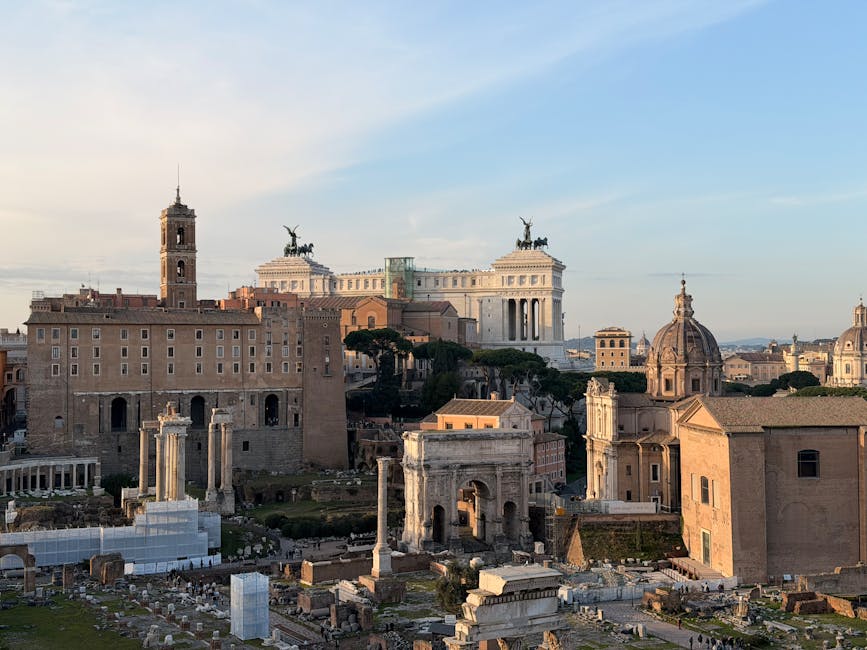
After the Colosseum, walk through the Roman Forum—the political and social heart of ancient Rome. Walk among the remains of temples, basilicas, and government buildings. Climb up to Palatine Hill for panoramic views of the Forum and Circus Maximus below. This was the residential area for Rome’s elite, including emperors like Augustus.
Allow at least 90 minutes for this section. Wear comfortable shoes—paths are uneven and often paved with ancient stones. Bring water, especially in summer, as shade is limited.
Late Morning: Transition to the Historic Center
12:00 PM – Walk to Capitoline Hill and Piazza Venezia
From the Roman Forum, it’s a 15-minute walk to Capitoline Hill, home to Michelangelo’s redesigned piazza and the Capitoline Museums. If you’re short on time, admire the piazza from the outside and continue to Piazza Venezia. This large square features the massive Monument to Vittorio Emanuele II, often called the “Altar of the Fatherland.” You can take the elevator to the top for a bird’s-eye view of the city, including the Roman Forum and Via del Corso.
This stop is optional but adds context. If you skip it, head directly to the Pantheon, which is a 10-minute walk away.
Lunch: Authentic Roman Cuisine in the City Center
1:00 PM – Eat Like a Local Near the Pantheon
By early afternoon, you’ll be ready for lunch. The area around the Pantheon is full of trattorias and casual eateries. Avoid restaurants with menus in multiple languages and pictures of pasta—these are often tourist traps.
Instead, look for places with a single-page menu, daily specials, and locals at the tables. Try cacio e pepe (cheese and pepper pasta), carbonara, or supplì (fried rice balls). A good mid-range option is Armando al Pantheon, a family-run spot with consistent quality, though reservations are essential. For a quicker bite, grab a slice of pizza al taglio (by the slice) from a reputable deli like Bonci Pizzarium.
Budget about 15–25 euros per person for a full meal with drink. Water is free if you ask for “acqua del rubinetto.”
Afternoon: Renaissance and Baroque Highlights
2:30 PM – Visit the Pantheon
The Pantheon is one of Rome’s best-preserved ancient buildings and a masterpiece of Roman engineering. Originally a temple to all gods, it now serves as a church and the tomb of Raphael. The massive dome and central oculus are awe-inspiring, especially when sunlight streams through the opening.
Entry is free, and lines are usually short, though they can build around midday. Visit after lunch to avoid peak crowds. Allow 30–45 minutes to explore and take photos. Note: modest dress is required—cover shoulders and knees.
3:15 PM – Stroll to Piazza Navona
A 5-minute walk from the Pantheon brings you to Piazza Navona, one of Rome’s most beautiful squares. Built on the site of an ancient stadium, it features three fountains, including Bernini’s famous Fountain of the Four Rivers, and is lined with cafes and artists. It’s a great spot to pause, people-watch, or enjoy an espresso.
If time allows, pop into the nearby Church of Sant’Agnese in Agone to see its ornate Baroque interior.
4:00 PM – Walk to the Trevi Fountain
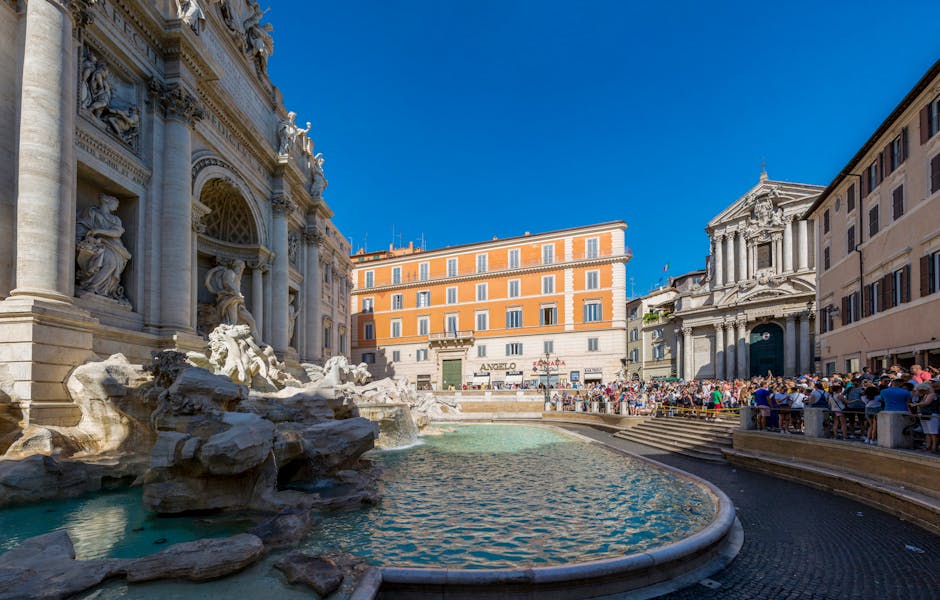
From Piazza Navona, it’s a pleasant 10-minute walk to the Trevi Fountain. This Baroque masterpiece is Rome’s most famous fountain, immortalized in films like La Dolce Vita. Toss a coin over your shoulder into the water to ensure your return to Rome—tradition says one coin means you’ll come back, two means you’ll fall in love, and three means you’ll marry.
The fountain is often crowded, especially in the afternoon. Visit just before sunset for softer light and slightly fewer people. Photography is allowed, but be mindful of others.
Evening: Sunset and Final Views
5:30 PM – Climb to the Spanish Steps and Villa Borghese
From the Trevi Fountain, walk 10 minutes to the Spanish Steps, a grand staircase leading up to the Trinità dei Monti church. This area is lively, with street performers and vendors. In spring, the steps are adorned with azaleas.
At the top, you can access Villa Borghese, Rome’s largest public park. Rent a rowboat on the lake, visit the Galleria Borghese (requires advance booking), or simply relax on the grass with a view of the city. The park is especially beautiful in the late afternoon light.
If you prefer a panoramic view, walk to the nearby Pincio Terrace for a stunning sunset over Rome’s skyline, including St. Peter’s Basilica in the distance.
7:00 PM – Dinner in Trastevere
End your day in Trastevere, a charming neighborhood across the Tiber River known for its narrow cobblestone streets, colorful buildings, and lively dining scene. It’s a 15-minute walk or a short tram ride from the Spanish Steps.
Trastevere offers a mix of traditional trattorias and modern eateries. Try Da Enzo al 29 for authentic Roman dishes in a cozy setting, or Osteria der Belli for seafood with a view of the river. Reservations are recommended, especially on weekends.
Dinner here is a chance to unwind and reflect on your day. Pair your meal with a glass of local wine—Frascati is a crisp white from the nearby hills.
Transportation Tips for Your 1 Day in Rome Travel Plan
Walking is the best way to explore Rome’s historic center. Distances between major sites are manageable, and you’ll discover hidden alleys, cafes, and shops along the way. However, public transit is useful for longer jumps:
- Metro: Two lines (A and B) serve key areas. Line B stops at Colosseum; Line A connects Termini to the Vatican and Spanish Steps.
- Buses: Useful for reaching Trastevere or Villa Borghese. Buy tickets in advance at tobacco shops or machines—validate them when boarding.
- Taxis: Official white taxis are safe but expensive. Use apps like FreeNow or call a licensed service. Avoid unmarked cars.
A Roma 24-hour public transport ticket costs €7 and covers metro, buses, and trams. It’s cost-effective if you plan to use transit more than twice.
What to Bring and What to Avoid
Pack light but smart. Essentials include:
- Comfortable walking shoes
- Sunscreen and a hat (especially in summer)
- Refillable water bottle (Rome has many public fountains with drinkable water)
- Portable phone charger
- Small backpack or crossbody bag (beware of pickpockets in crowded areas)
Avoid large suitcases, flip-flops, and expensive jewelry. Keep your belongings secure, especially in tourist-heavy zones like the Colosseum and Trevi Fountain.
Compact Comparison: Morning vs. Afternoon Itinerary Options
| Time | Option A: History-Focused | Option B: Leisure-Focused |
|---|---|---|
| 8:00 AM | Colosseum + Roman Forum | Colosseum (skip Forum) |
| 10:30 AM | Palatine Hill | Walk to Capitoline Hill |
| 12:00 PM | Pantheon | Piazza Navona |
| 1:00 PM | Lunch near Pantheon | Lunch in Jewish Ghetto |
| 2:30 PM | Trevi Fountain | Trevi Fountain + shopping |
| 4:00 PM | Spanish Steps | Villa Borghese |
Final Thoughts on Your 1 Day in Rome Travel Plan
A single day in Rome is enough to capture the city’s spirit, but it requires focus and pacing. Stick to the core historic center, prioritize pre-booked tickets, and allow time for meals and rest. You won’t see everything—no one does in 24 hours—but you’ll leave with a strong sense of Rome’s grandeur, artistry, and daily rhythm.
Remember: Rome rewards those who wander, but a clear plan ensures you don’t miss the highlights. Use this 1 Day in Rome Travel Plan as your foundation, adjust based on your interests, and embrace the unexpected moments that make the city unforgettable.
FAQ
Can I see all of Rome’s major sights in one day?
No, but you can experience the highlights. Focus on the Colosseum, Roman Forum, Pantheon, Trevi Fountain, and Spanish Steps. Skip less essential sites to avoid burnout.
Do I need to book tickets in advance?
Yes, for the Colosseum, Roman Forum, and Palatine Hill. Skip-the-line tickets are highly recommended to save time.
Is it safe to walk around Rome at night?
Yes, especially in well-lit, populated areas like Trastevere and the historic center. Stay aware of your surroundings and avoid deserted alleys.