
10 Days in Europe Travel Itinerary and Budget Plan
Planning a 10 days in Europe travel itinerary and budget plan can feel overwhelming, but with the right route and spending strategy, it’s entirely achievable—even on a moderate budget. This guide outlines a realistic, well-paced journey through three iconic European cities: Paris, Amsterdam, and Berlin. You’ll cover major landmarks, efficient transport, and daily costs, all while staying within a clear financial framework. Whether you’re a first-time traveler or looking to optimize your next trip, this itinerary balances sightseeing, culture, and value.
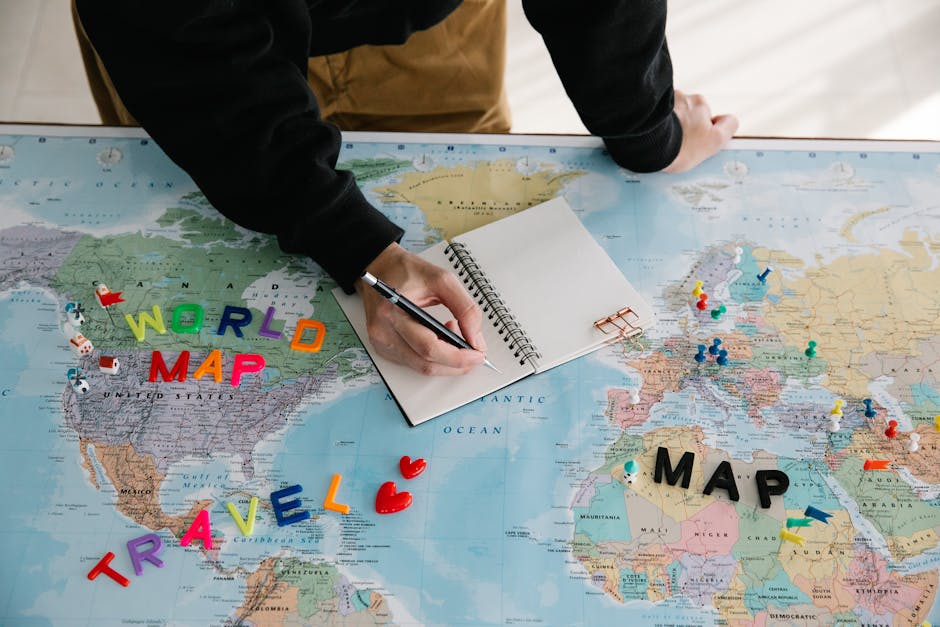
Why This 10-Day Europe Itinerary Works
This route connects Western and Central Europe via fast, affordable rail links, minimizing travel time and maximizing exploration. Paris offers art and romance, Amsterdam delivers charm and history, and Berlin blends gritty culture with modern energy. Each city is walkable, rich in public transit, and packed with free or low-cost attractions. The sequence—west to east—follows logical train connections and avoids backtracking, saving both time and money.
Day-by-Day 10 Days in Europe Travel Itinerary
Days 1–3: Paris, France
Start in Paris, where three days allow you to see the essentials without rushing. Day one: arrive, settle in, and stroll along the Seine. Visit Notre-Dame (exterior only, as interior access remains limited post-fire) and explore Île de la Cité. Day two: dedicate to the Louvre and Tuileries Garden, followed by sunset at the Eiffel Tower. Day three: Montmartre and Sacré-Cœur in the morning, then Musée d’Orsay in the afternoon. Use the Paris Metro for quick, cheap travel—day passes cost around €8.
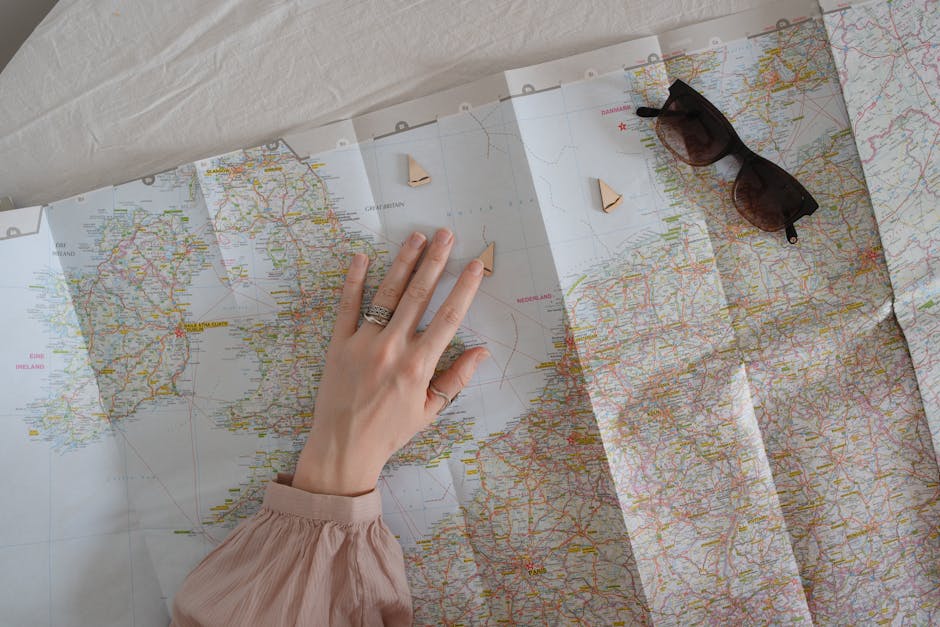
Days 4–6: Amsterdam, Netherlands
Take the Thalys high-speed train from Paris to Amsterdam (3.5 hours, book in advance for fares as low as €35). Spend day four exploring the Canal Belt and Anne Frank House (book tickets online weeks ahead). Day five: Rijksmuseum and Van Gogh Museum, then a free walk through Vondelpark. Day six: rent a bike for a half-day tour of Jordaan and the Amsterdam Noord area via free ferry. Public transit is reliable, but walking and cycling are faster and more enjoyable.
Days 7–10: Berlin, Germany
Fly from Amsterdam to Berlin with budget airlines like EasyJet or Ryanair (look for fares under €50 if booked early). Alternatively, take an overnight train for a scenic, eco-friendly option. Day seven: arrive and explore Mitte—Brandenburg Gate, Reichstag, and Museum Island. Day eight: East Side Gallery, Berlin Wall Memorial, and Kreuzberg’s street art. Day nine: day trip to Potsdam (S-Bahn takes 45 minutes) to see Sanssouci Palace. Day ten: final shopping at Mauerpark flea market, then depart.
Budget Breakdown: Total Cost for 10 Days
Below is a realistic daily and total budget for one traveler, based on mid-range comfort and smart spending. Costs are in euros and reflect 2024 prices.
| Category | Daily Average | Total (10 Days) |
|---|---|---|
| Accommodation | €60 | €600 |
| Food & Drinks | €35 | €350 |
| Local Transport | €10 | €100 |
| Inter-City Travel | €30 | €300 |
| Attractions & Activities | €15 | €150 |
| Total | €150 | €1,500 |
This total of €1,500 (approximately $1,630 USD) assumes shared Airbnb or budget hotel stays, self-prepared breakfasts, and selective paid attractions. Travelers aiming for luxury should budget €250–€300 per day. Backpackers can reduce costs to under €100 daily by staying in hostels, cooking meals, and using free walking tours.
Money-Saving Tips for Your Europe Trip
- Book inter-city transport early: Train and flight prices rise significantly closer to departure. Use Omio or Trainline to compare options.
- Use city tourism cards: Paris Visite, I amsterdam City Card, and Berlin WelcomeCard offer transit and museum discounts. Calculate savings before purchasing.
- Eat like a local: Avoid tourist restaurants near major sights. Try bakeries, markets, and casual cafés. In Berlin, currywurst from a stand costs €4.
- Travel light: Many budget airlines charge steep fees for checked bags. A carry-on backpack avoids extra costs and speeds up transit.
- Free attractions matter: Many museums have free entry days (e.g., first Sunday of the month in Paris). Parks, neighborhoods, and street performances offer rich experiences at no cost.
What to Pack and Practical Considerations
Pack versatile clothing suitable for walking and variable weather. Layers work best—rain is common in Amsterdam and Berlin, even in summer. Bring a universal power adapter, reusable water bottle, and a small daypack. Download offline maps and translation apps. Keep digital and physical copies of your passport, travel insurance, and emergency contacts.
Check visa requirements based on your nationality. Most non-EU travelers need an ETIAS authorization starting in 2025. Travel insurance is strongly recommended—medical care in Europe can be costly without coverage.
Common Mistakes to Avoid
- Overpacking the schedule: Trying to see too much leads to exhaustion. Stick to 2–3 major activities per day.
- Ignoring booking deadlines: Popular sites like the Anne Frank House or Louvre require advance reservations.
- Underestimating transit time: Factor in airport transfers, security, and delays. Always allow buffer time between connections.
- Carrying too much cash: Use a no-foreign-fee debit card. ATMs offer better exchange rates than currency exchanges.
Alternative Itineraries and Adjustments
If you prefer Southern Europe, swap Berlin for Barcelona or Rome—though flight connections may increase costs. For a slower pace, drop one city and extend stays in the other two. Solo travelers, couples, and small groups can all adapt this plan. Families should note that some museums offer free entry for children under 18.
Shoulder seasons (April–May, September–October) offer fewer crowds and lower prices than summer. Winter travel is cheapest but limits outdoor activities and daylight hours.
Final Thoughts on Your 10 Days in Europe
A well-structured 10 days in Europe travel itinerary and budget plan delivers incredible value, combining culture, history, and efficient logistics. By focusing on three connected cities, using smart transport, and controlling daily spending, you can experience the best of Europe without overspending. Prioritize advance bookings, embrace local rhythms, and leave room for spontaneity—some of the best moments happen off the itinerary.
FAQ
How much does a 10-day Europe trip cost?
For one traveler, a realistic budget is €1,500 ($1,630 USD), covering mid-range lodging, meals, transport, and attractions. Backpackers can spend under €1,000; luxury travelers may spend over €2,500.
Is it better to travel by train or plane between these cities?
Trains are ideal for Paris to Amsterdam (3.5 hours, city-center to city-center). For Amsterdam to Berlin, budget flights are faster and often cheaper, though trains offer scenic views and less airport hassle.
Can I do this itinerary with a tighter budget?
Yes. Stay in hostels, cook meals, use free walking tours, and prioritize free attractions. Cut costs by 30–40% with disciplined spending and advance planning.