
14 Days Europe Travel Itinerary Complete Guide
Planning a 14 days Europe travel itinerary can feel overwhelming—there’s so much to see and limited time to see it. This complete guide delivers a realistic, well-paced route covering iconic cities, cultural highlights, and efficient travel connections. Whether you’re flying into London or starting in Rome, this two-week plan balances must-see sights with breathing room, helping you avoid burnout while maximizing your European experience. You’ll find a day-by-day breakdown, transportation tips, budget considerations, and practical advice to make your trip smooth and memorable.

Why a 14-Day Europe Itinerary Works
A two-week window is ideal for first-time Europe travelers. It’s long enough to visit 3–4 countries without constant rushing, yet short enough to keep costs and fatigue manageable. The key is selecting destinations that are well-connected by train or short flights and offer diverse experiences—history, food, architecture, and local culture. This guide focuses on Western and Central Europe, where transportation is efficient and English is widely spoken, making navigation easier for most travelers.
Recommended 14 Days Europe Travel Itinerary Route
This route starts in London, moves eastward through Paris and Amsterdam, then heads south to Berlin and ends in Prague. It emphasizes train travel, minimizes backtracking, and includes a mix of fast-paced cities and relaxed days.
Day-by-Day Breakdown
- Days 1–3: London, England
Arrive and settle in. Visit the Tower of London, Westminster Abbey, and the British Museum. Take a day trip to Stonehenge or Oxford if time allows. Use the Oyster Card for easy public transit. - Days 4–5: Paris, France<n Travel via Eurostar (2.5 hours). Explore the Louvre, Eiffel Tower, and Montmartre. Enjoy a Seine River cruise at sunset. Book museum tickets online to skip lines.
- Days 6–7: Amsterdam, Netherlands
Take a Thalys high-speed train (3.5 hours). Rent a bike, visit the Van Gogh Museum, and stroll through the Jordaan district. Consider a day trip to Zaanse Schans for windmills and cheese. - Days 8–10: Berlin, Germany
Fly or take an overnight train (6+ hours by day train). See the Brandenburg Gate, Berlin Wall Memorial, and Museum Island. Experience Berlin’s nightlife and street food scene. - Days 11–14: Prague, Czech Republic
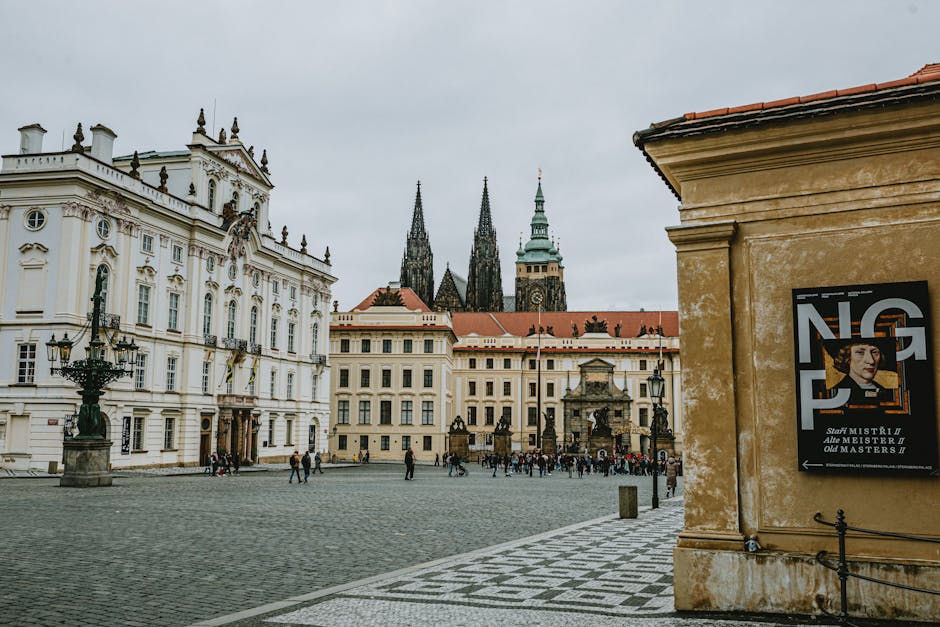
Take a 4.5-hour train from Berlin. Wander through Old Town Square, cross Charles Bridge, and tour Prague Castle. Enjoy affordable meals and local beer. Depart from Prague’s international airport.
Transportation Tips for Smooth Travel
Efficient travel between cities is crucial. Trains are often faster and more central than flying when you factor in airport transfers and security. The Eurail Pass can be cost-effective if you’re making multiple long-distance trips, but point-to-point tickets are usually cheaper for this itinerary.
Book train tickets in advance through national rail sites:
• UK: National Rail
• France: SNCF Connect
• Netherlands: NS.nl
• Germany: Deutsche Bahn
• Czech Republic: RegioJet or ČD
For flights, budget airlines like Ryanair and EasyJet connect Berlin and Prague, but trains offer better city-center access and fewer hidden fees.
Budgeting for Your 14-Day Trip
Costs vary widely by city. Western Europe is pricier than Central Europe. Here’s a realistic daily budget estimate per person:
| City | Accommodation (per night) | Food (per day) | Attractions & Transit |
|---|---|---|---|
| London | $120–$180 | $40–$60 | $30–$50 |
| Paris | $100–$150 | $35–$55 | $25–$45 |
| Amsterdam | $90–$140 | $30–$50 | $20–$40 |
| Berlin | $60–$100 | $25–$40 | $15–$30 |
| Prague | $40–$70 | $20–$35 | $10–$25 |
Total estimated cost for 14 days: $2,200–$3,200 per person, excluding international flights. Save by booking hostels or budget hotels, eating at local markets, and using city tourism cards for discounted entry.
Packing and Preparation Essentials
Pack light—most European cities involve a lot of walking and public transit. A 40L backpack or carry-on suitcase is ideal. Bring comfortable walking shoes, a universal power adapter, and a reusable water bottle. Many museums and cafes offer free Wi-Fi, but consider a local SIM card or eSIM for data.
Check visa requirements based on your nationality. Citizens of the US, Canada, Australia, and most EU countries can enter the Schengen Zone for up to 90 days without a visa. Ensure your passport is valid for at least six months beyond your return date.
Common Mistakes to Avoid
- Overpacking your schedule: Leave room for rest and spontaneous discoveries.
- Not booking in advance: Popular attractions like the Eiffel Tower and Anne Frank House require online reservations.
- Ignoring local customs: Tipping, meal times, and quiet hours vary. In Prague, for example, dinner is often later than in the UK.
- Carrying too much cash: Use credit cards where possible and withdraw euros or local currency from ATMs for better rates.
Alternative Itinerary Options
If you prefer a southern Europe focus, swap Berlin and Prague for Rome and Barcelona. Fly into London, take the Eurostar to Paris, then fly to Rome (2.5 hours). Spend 3 days in Rome, 3 in Florence (1.5-hour train), then fly to Barcelona for 4 days before returning home. This route highlights Renaissance art, Mediterranean cuisine, and coastal charm.
For a relaxed pace, reduce the number of cities. A 14-day trip covering just London, Paris, and Amsterdam allows deeper exploration and less transit time.
Final Tips for a Successful Trip
Start early each day to beat crowds. Download offline maps and translation apps. Keep digital and physical copies of your passport and travel insurance. Stay hydrated, wear sunscreen, and take breaks—traveling is as much about the journey as the destinations.
With this 14 days Europe travel itinerary, you’ll experience the continent’s diversity without sacrificing comfort or sanity. It’s a balanced, realistic plan designed for first-time visitors who want to see the highlights while leaving room for the unexpected.
FAQ
How many countries can I realistically visit in 14 days?
Three to four countries are manageable if they’re geographically close and well-connected. This guide covers five countries, but two (Germany and Czech Republic) are adjacent, minimizing travel time.
Is it better to travel by train or plane between cities?
For distances under 500 km, trains are usually faster and more convenient. They drop you in city centers, avoid airport hassles, and offer scenic views. Use flights only for longer legs, like London to Berlin.
What’s the best time of year for this itinerary?
Late spring (May–June) and early fall (September) offer mild weather, fewer crowds, and lower prices. Summer is busy but has long daylight hours; winter is quieter but some attractions may have reduced hours.