
Best Mountain Destinations for Adventure Travelers
For adventure travelers seeking thrilling terrain, breathtaking vistas, and physical challenges, the world’s mountain ranges offer some of the most rewarding experiences on Earth. The best mountain destinations for adventure travelers combine rugged trails, diverse ecosystems, and opportunities for hiking, climbing, skiing, or mountaineering—all while providing access to local culture and sustainable travel options. Whether you’re drawn to high-altitude summits or forested alpine valleys, these destinations deliver unforgettable adventures with proper planning and respect for natural environments.
Why Mountains Appeal to Adventure Travelers
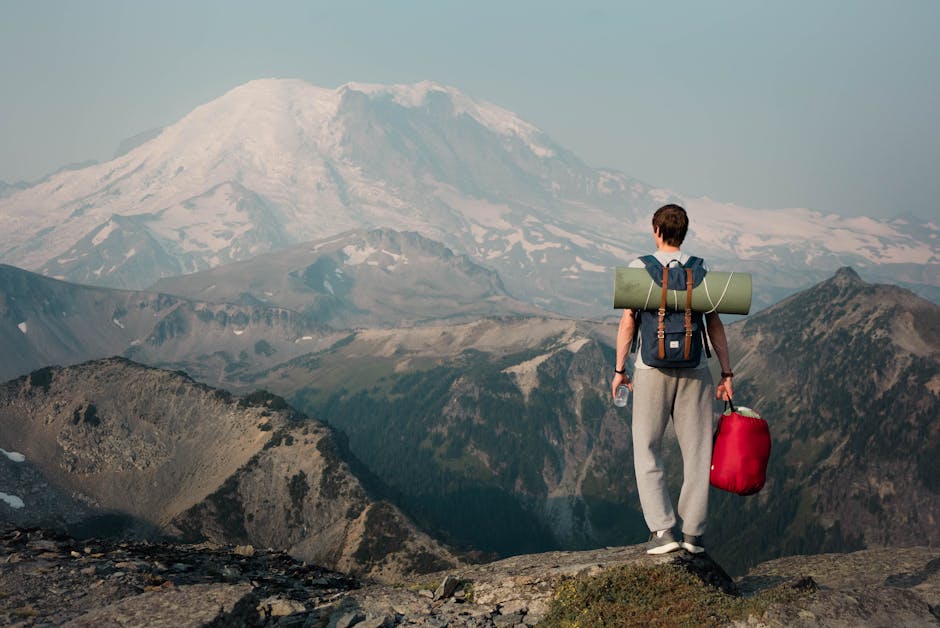
Mountains attract adventurers for more than just scenic beauty. They present real physical and mental challenges, from navigating steep switchbacks to acclimatizing to thin air. These environments foster resilience, self-reliance, and a deep connection to nature. Many mountain regions also preserve indigenous cultures and traditional ways of life, offering travelers authentic cultural exchanges alongside outdoor pursuits.
Adventure in mountainous terrain often means stepping outside comfort zones—whether that’s crossing a glacier, sleeping in a high-altitude hut, or navigating unpredictable weather. With proper preparation, these challenges become transformative experiences.
Top Mountain Destinations for Thrill-Seekers
The Himalayas, Nepal
Home to Mount Everest and eight of the world’s ten highest peaks, the Himalayas are the ultimate destination for serious mountaineers and trekkers. The Everest Base Camp trek draws thousands each year, offering a non-technical but physically demanding route through Sherpa villages and glacial valleys. For those seeking higher challenges, peaks like Island Peak or Mera Peak provide guided ascents with stunning views of the surrounding giants.
Travelers should allow 2–3 weeks for acclimatization and trekking. Permits are required, and hiring a local guide or porter supports the regional economy and enhances safety. Be prepared for variable weather and limited medical facilities at higher elevations.
The Alps, France, Switzerland, and Italy
Europe’s most famous mountain range offers a mix of accessibility and adventure. The Tour du Mont Blanc circles Western Europe’s highest peak, passing through France, Italy, and Switzerland over 170 kilometers of well-marked trails. It’s ideal for multi-day trekking with mountain refuges providing shelter and meals.
For climbers, the Alps boast iconic ascents like the Matterhorn and Eiger North Face. Winter brings world-class skiing and snowboarding, while summer opens up via ferrata routes—protected climbing paths with steel cables and ladders—perfect for those new to technical climbing.
The Andes, Peru and Chile
Stretching along South America’s western edge, the Andes offer dramatic landscapes and ancient history. In Peru, the Cordillera Blanca range features Huascarán, the highest tropical peak in the world, and the famous Santa Cruz Trek—a four-day hike through glacial lakes and snow-capped peaks.
Chile’s Patagonia region, particularly Torres del Paine National Park, delivers some of the planet’s most rugged and remote trekking. The W Trek and full-circuit hike traverse granite towers, turquoise lakes, and windswept plains. Weather can change rapidly, so layered clothing and waterproof gear are essential.
The Rockies, USA and Canada
From Colorado’s fourteeners to Canada’s Banff and Jasper National Parks, the Rockies provide accessible adventure for all skill levels. In the U.S., trails like the Maroon Bells-Snowmass Wilderness in Colorado or the Teton Crest Trail in Wyoming offer solitude and stunning alpine scenery.
Canada’s Icefields Parkway connects Banff and Jasper with glacier walks, ice climbing on frozen waterfalls, and backcountry skiing. Wildlife encounters—including bears and elk—are common, so carry bear spray and follow park guidelines.
The Southern Alps, New Zealand
New Zealand’s South Island is a playground for outdoor enthusiasts. The Southern Alps rise sharply from the coast, creating dramatic fjords, glacial valleys, and world-class hiking. The Routeburn Track and Milford Track are among the country’s Great Walks, offering guided or independent trekking with huts and campsites.
Adventure travelers can also try heli-hiking on glaciers, bungee jumping near Queenstown, or mountain biking on alpine trails. The region’s isolation means limited services in remote areas, so self-sufficiency is key.
How to Choose the Right Mountain Destination
Selecting the ideal mountain adventure depends on your experience level, fitness, budget, and preferred activities. Beginners may prefer well-maintained trails with support services, while experienced climbers might seek remote, technical routes.
Consider the following factors:
- Season and weather: Many mountain regions have short summer windows. Winter travel requires specialized gear and skills.
- Permits and regulations: Some parks limit daily visitors or require advance booking.
- Altitude: High elevations increase risk of altitude sickness. Acclimatize gradually and recognize symptoms like headache, nausea, or dizziness.
- Local support: Guided tours improve safety and cultural understanding, especially in less-developed regions.
Essential Gear and Preparation Tips
Proper preparation separates a successful adventure from a dangerous one. Start with a realistic fitness regimen weeks or months in advance. Train with weighted packs if planning multi-day treks.
Pack the following essentials:
- Layered clothing (moisture-wicking base, insulating mid, waterproof outer)
- Sturdy hiking boots with ankle support
- Sleeping bag rated for expected temperatures
- Navigation tools (map, compass, GPS)
- First-aid kit and emergency communication device
- Sun protection (sunglasses, sunscreen, hat)
Always inform someone of your itinerary and expected return time. Check weather forecasts and avalanche reports where applicable. Leave no trace—pack out all waste and avoid disturbing wildlife.
Comparison of Top Mountain Destinations
| Destination | Best For | Difficulty Level | Best Time to Visit |
|---|---|---|---|
| Himalayas, Nepal | High-altitude trekking, cultural immersion | Moderate to very high | March–May, September–November |
| The Alps, Europe | Multi-day hikes, via ferrata, skiing | Easy to high | June–September (summer), December–March (winter) |
| Andes, Peru/Chile | Remote trekking, volcano climbing | Moderate to high | May–September |
| Rockies, USA/Canada | Accessible trails, wildlife viewing | Easy to high | June–September |
| Southern Alps, New Zealand | Glacier hikes, adventure sports | Moderate | November–April |
Safety and Environmental Responsibility
Mountain environments are fragile and unpredictable. Sudden storms, rockfall, and avalanches pose real risks. Always assess your abilities honestly and turn back if conditions deteriorate.
Respect local customs and ecosystems. In Nepal, avoid pointing at religious structures. In Patagonia, stick to marked trails to prevent erosion. Support conservation efforts by choosing eco-certified tour operators and minimizing plastic use.
Climate change is altering mountain landscapes—glaciers are retreating, and weather patterns are less predictable. Travelers can reduce their impact by choosing low-carbon transport, packing reusable items, and advocating for sustainable tourism.
Final Thoughts
The best mountain destinations for adventure travelers offer more than adrenaline—they foster personal growth, cultural understanding, and a deeper appreciation for the natural world. Whether you’re summiting a peak or walking a quiet alpine trail, preparation, respect, and mindfulness turn a journey into a lasting memory.
FAQ
What is the best time of year to visit mountain destinations for adventure travel?
The ideal time varies by region. Generally, late spring to early autumn offers stable weather and open trails. In the Himalayas and Andes, avoid monsoon or winter snow. In the Alps and Rockies, summer is peak trekking season, while winter is best for skiing.
Do I need a guide for mountain adventures?
It depends on the destination and activity. Technical climbs and high-altitude treks often require guides for safety and navigation. In well-developed areas like the Alps or New Zealand, independent travel is feasible with proper planning.
How can I prevent altitude sickness when traveling to high mountains?
Ascend gradually, allowing time for acclimatization. Stay hydrated, avoid alcohol, and recognize early symptoms like headache or fatigue. If symptoms worsen, descend immediately. Medications like acetazolamide can help but should be used under medical advice.