
Best Travel Destinations in Asia for 2026 Travel
Planning your next adventure? The best travel destinations in Asia for 2026 travel offer a mix of cultural richness, natural beauty, and emerging experiences that cater to every kind of traveler. From ancient temples and bustling cities to serene coastlines and untouched highlands, Asia continues to evolve as a top choice for global explorers. In 2026, several destinations stand out due to improved infrastructure, sustainable tourism initiatives, and renewed cultural interest. Whether you’re seeking relaxation, adventure, or deep cultural immersion, these locations deliver memorable experiences with growing accessibility and traveler-friendly policies.
Why Asia Remains a Top Choice for 2026 Travelers
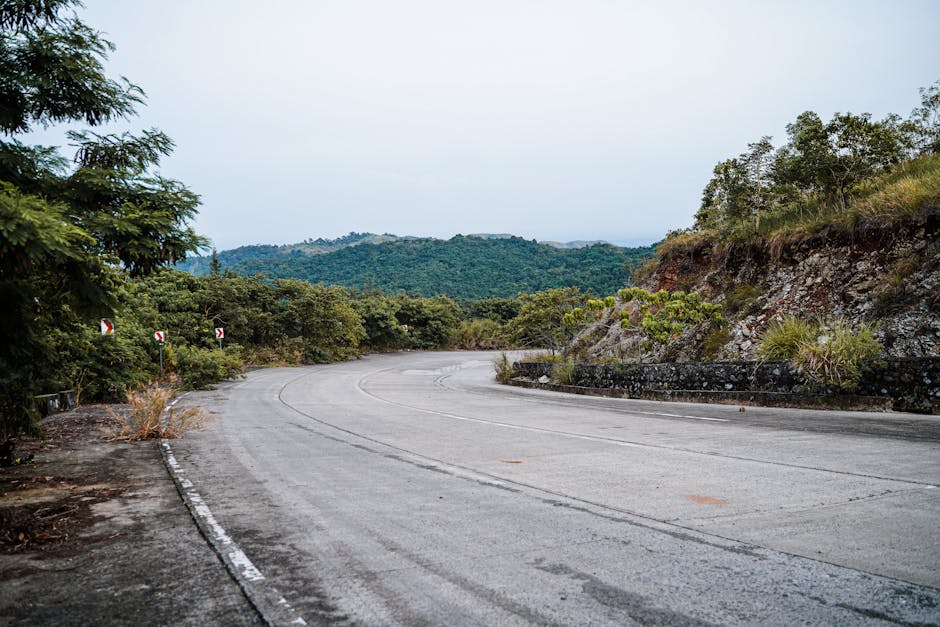
Asia’s diversity is unmatched. One day you could be hiking through misty mountains in Nepal, and the next, lounging on a turquoise beach in the Philippines. The continent blends affordability with luxury, tradition with innovation, and solitude with vibrant city life. In 2026, several countries are investing heavily in tourism recovery and development post-pandemic, making travel safer, more convenient, and more sustainable. Visa policies are easing in places like Vietnam and India, while countries such as Japan and South Korea are enhancing digital services for tourists. These improvements, combined with a renewed global interest in experiential travel, position Asia as a leading destination region for the coming year.
Top 7 Best Travel Destinations in Asia for 2026
After evaluating factors like safety, accessibility, cultural offerings, natural attractions, and traveler feedback, here are seven standout destinations to consider for your 2026 itinerary.
1. Japan: Tradition Meets Futurism
Japan remains a perennial favorite, and 2026 is no exception. With the 2025 Osaka Expo fresh in memory and ongoing infrastructure upgrades, Japan is more visitor-ready than ever. Beyond Tokyo and Kyoto, lesser-known regions like Tohoku and Shikoku are gaining attention for their rural charm, hot springs, and seasonal festivals. The country’s efficient rail system, including the expanded use of the Japan Rail Pass, makes multi-city travel seamless. For 2026, expect increased English signage, contactless payments, and eco-conscious accommodations—especially in preparation for the growing number of international visitors.
2. Bhutan: Sustainable Tourism at Its Core
Bhutan continues to prioritize quality over quantity in tourism. The Himalayan kingdom reopened fully in 2022 and has since refined its high-value, low-impact model. In 2026, travelers can expect enhanced cultural tours, community-based homestays, and improved trekking routes in places like the Bumthang Valley and Haa District. The daily tariff includes accommodations, meals, and a guide, ensuring a hassle-free experience. With a strong emphasis on preserving Buddhist traditions and environmental conservation, Bhutan offers a deeply meaningful journey for mindful travelers.
3. Sri Lanka: Rebounding with Resilience
After economic challenges in recent years, Sri Lanka is steadily recovering and reclaiming its place as a must-visit destination. In 2026, the island nation offers compelling value, with lower prices for accommodations and tours compared to previous years. Highlights include the ancient cities of Anuradhapura and Polonnaruwa, wildlife safaris in Yala National Park, and scenic train rides through the hill country. Improved political stability and renewed international support are boosting confidence among travelers. Just be sure to monitor local news and travel advisories before departure.
4. Vietnam: Vibrant Culture and Coastal Beauty
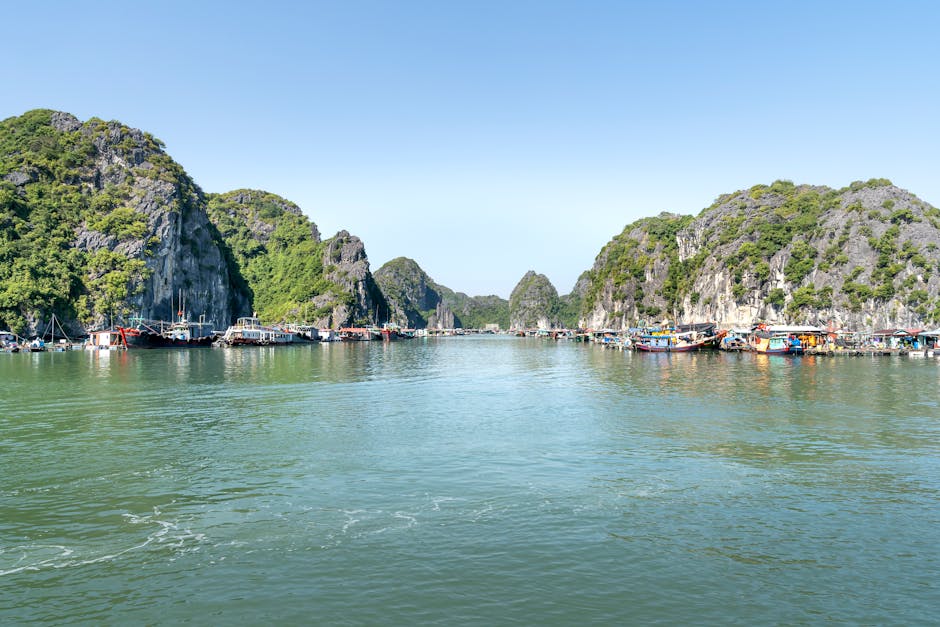
Vietnam’s appeal lies in its dynamic cities, rich history, and stunning landscapes. In 2026, expect smoother visa processes for many nationalities, including extended e-visa validity. Hanoi and Ho Chi Minh City offer bustling street life and culinary excellence, while Ha Long Bay and Ninh Binh provide breathtaking natural scenery. The central coast, including Hoi An and Da Nang, continues to develop with better infrastructure and eco-resorts. For adventure seekers, the northern highlands near Sapa and Ha Giang offer trekking and ethnic minority cultural experiences.
5. South Korea: Beyond K-Pop and Seoul
South Korea is expanding its tourism appeal beyond Seoul and Busan. In 2026, regions like Jeju Island, Gangwon Province, and the southern island of Jeollanam-do are receiving more attention for their natural beauty and cultural sites. Jeju’s volcanic landscapes and UNESCO sites, combined with improved ferry and flight connections, make it a prime destination. Meanwhile, Gangwon is positioning itself as a year-round destination with winter sports and summer hiking. The country’s advanced digital infrastructure—mobile payments, AI-guided tours, and real-time translation apps—enhances the traveler experience.
6. Nepal: The Himalayan Gateway
For trekkers and spiritual seekers, Nepal remains unparalleled. In 2026, the country is focusing on sustainable trekking practices and community tourism. The Everest Base Camp and Annapurna circuits are being managed with stricter environmental guidelines to reduce waste and protect trails. Newer routes, such as the Manaslu Circuit and Kanchenjunga Base Camp, offer fewer crowds and equally stunning views. Kathmandu’s cultural sites, including Durbar Square and Boudhanath Stupa, continue to draw pilgrims and photographers alike. Travelers should ensure they have proper gear and permits, and consider hiring local guides to support the community.
7. Indonesia: Beyond Bali
While Bali remains popular, Indonesia is encouraging travelers to explore beyond the island. In 2026, destinations like Labuan Bajo (gateway to Komodo National Park), Lombok, and the Togean Islands are gaining traction. The government is investing in airport upgrades and eco-tourism projects to distribute tourism more evenly. Raja Ampat, known for its marine biodiversity, is becoming more accessible with new liveaboard options and conservation-focused dive centers. For cultural immersion, Yogyakarta and Borobudur offer deep historical context and traditional arts.
How to Choose the Right Destination for Your 2026 Trip
With so many excellent options, narrowing down your choice depends on your travel style, budget, and interests. Consider the following factors:
- Travel Purpose: Are you looking for relaxation, adventure, culture, or a mix? Japan and South Korea suit urban explorers, while Nepal and Bhutan are ideal for nature and spirituality.
- Budget: Countries like Vietnam and Sri Lanka offer high value, while Japan and South Korea are more expensive but offer superior infrastructure.
- Seasonality: Research peak seasons to avoid crowds and high prices. For example, visit Japan in spring for cherry blossoms or Nepal in autumn for clear skies.
- Safety and Accessibility: Check government travel advisories and ensure your destination has reliable transport and medical facilities.
- Sustainability: Support destinations and operators committed to responsible tourism, such as Bhutan’s daily fee model or community-based projects in Indonesia.
Compact Comparison of Top 2026 Asian Destinations
| Destination | Best For | Ideal Visit Time | Average Daily Cost (USD) | Visa Requirements |
|---|---|---|---|---|
| Japan | Culture, cities, nature | Mar–May, Sep–Nov | $120–$200 | Visa-free for many countries |
| Bhutan | Spirituality, trekking | Mar–May, Sep–Nov | $200–$250 (inclusive) | Visa required + daily tariff |
| Sri Lanka | Wildlife, history, beaches | Dec–Mar (west/south) | $60–$100 | e-Visa required |
| Vietnam | Food, culture, scenery | Nov–Apr | $50–$90 | e-Visa or visa on arrival |
| South Korea | Technology, nature, food | Apr–Jun, Sep–Nov | $100–$180 | Visa-free for many countries |
| Nepal | Trekking, culture | Oct–Nov, Mar–May | $40–$80 | Visa on arrival |
| Indonesia | Diving, culture, islands | Apr–Oct | $50–$100 | Visa-free or visa on arrival |
Final Tips for 2026 Travel in Asia
As you plan your journey, keep these practical tips in mind:
- Book Early: Popular destinations like Japan and Bhutan fill up quickly, especially during peak seasons.
- Pack Smart: Climate varies widely—pack layers for Nepal, light clothing for Vietnam, and rain gear for tropical regions.
- Respect Local Customs: Dress modestly in religious sites, remove shoes when required, and learn basic greetings in the local language.
- Stay Connected: Purchase local SIM cards or eSIMs for reliable internet access.
- Support Local: Choose locally owned guesthouses, eat at family-run restaurants, and hire local guides.
Conclusion
The best travel destinations in Asia for 2026 travel reflect a continent in motion—balancing heritage with innovation, nature with development, and tradition with accessibility. Whether you’re drawn to the temples of Kyoto, the peaks of the Himalayas, or the coral reefs of Raja Ampat, Asia offers depth and diversity that few regions can match. With thoughtful planning and an open mind, your 2026 journey can be both enriching and transformative.
FAQ
What is the cheapest Asian destination for 2026 travel?
Vietnam and Nepal are among the most budget-friendly, with daily costs ranging from $40 to $90 depending on travel style and accommodation.
Do I need a visa to visit Japan in 2026?
Citizens of over 60 countries, including the U.S., Canada, and most EU nations, can enter Japan visa-free for short stays. Check the latest requirements before travel.
Is it safe to travel to Sri Lanka in 2026?
Yes, Sri Lanka is generally safe for tourists in 2026, with improved stability. However, monitor official travel advisories and avoid political gatherings.