
How to Plan a Family Vacation Internationally
Planning a family vacation internationally can feel overwhelming, but with careful preparation, it becomes a rewarding experience for everyone. Whether you’re traveling with toddlers or teenagers, a well-organized approach ensures smooth logistics, minimizes stress, and maximizes enjoyment. This guide walks you through essential steps—from choosing your destination to returning home—so your family can focus on making memories, not managing mishaps. By addressing travel documents, accommodations, activities, and safety, you’ll be equipped to plan a family vacation internationally with confidence.
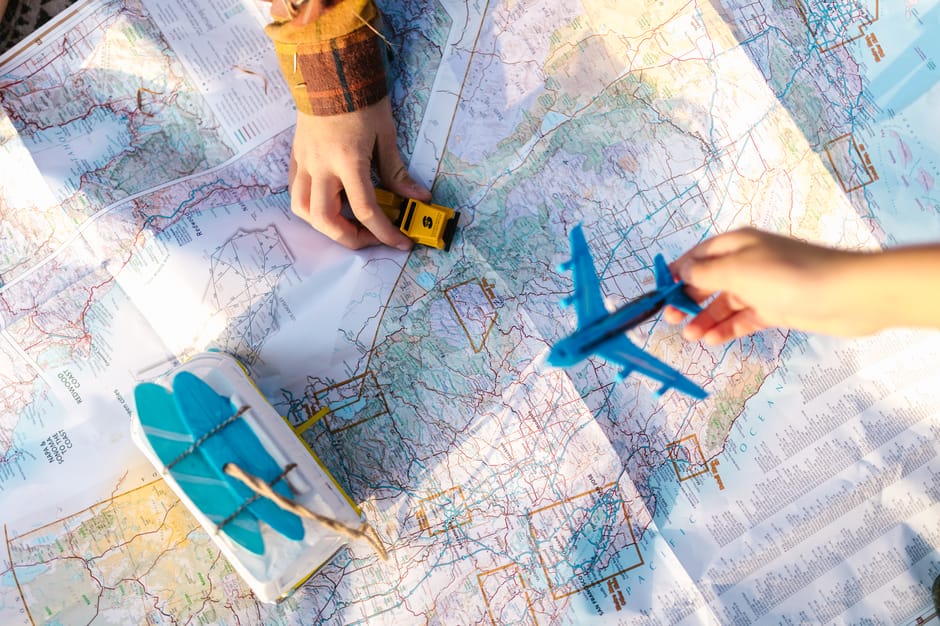
Start with the Right Destination
Choosing a destination that suits all family members is the foundation of a successful trip. Consider age-appropriate activities, language barriers, climate, and cultural norms. For example, families with young children might prefer destinations with reliable healthcare, stroller-friendly infrastructure, and direct flights. Popular options include Japan, known for its safety and efficiency; Costa Rica, offering nature-based adventures; or Italy, rich in history and family-friendly dining.
Research visa requirements early. Some countries require visas for minors, even infants, and processing can take weeks. Check official government travel websites like the U.S. Department of State or your country’s foreign affairs office for up-to-date entry rules.

Set a Realistic Budget and Timeline
International travel can be costly, so establish a detailed budget before booking anything. Include airfare, accommodations, meals, local transportation, activities, travel insurance, and a buffer for unexpected expenses. For a two-week trip to Europe, a family of four might budget $8,000–$12,000, depending on destinations and travel style.
Book flights and major accommodations 3–6 months in advance for better rates and availability. Use fare comparison tools like Google Flights or Skyscanner to track price trends. Be flexible with dates—midweek departures and shoulder seasons (spring and fall) often offer savings.
Sample Family Travel Budget (7-Day Europe Trip)
| Category | Estimated Cost (USD) | Notes |
|---|---|---|
| Round-Trip Airfare (4 people) | $3,200 | Economy, booked 4 months ahead |
| Accommodations (6 nights) | $1,800 | Family-friendly hotels or vacation rentals |
| Local Transportation | $400 | Trains, metro, taxis |
| Meals & Snacks | $1,000 | $50 per person per day |
| Activities & Attractions | $600 | Museums, tours, theme parks |
| Travel Insurance | $200 | Covers health, delays, cancellations |
| Total | $7,200 | Excludes souvenirs and extras |
Secure Travel Documents and Health Preparations
Ensure every family member has a valid passport. Many countries require passports to be valid for at least six months beyond your return date. Apply or renew passports 4–6 months before travel, especially for children, as processing can take longer.
Check if your destination requires visas or electronic travel authorizations (eTA). For example, Canada requires an eTA for visa-exempt travelers, while Thailand may require a visa depending on nationality and length of stay.
Visit a travel clinic 4–6 weeks before departure. Discuss recommended vaccines, malaria prophylaxis, and medications for motion sickness or diarrhea. Carry a basic first-aid kit and prescription medications in original containers with copies of prescriptions.
Choose Family-Friendly Accommodations
Accommodations should balance comfort, location, and amenities. Look for hotels or rentals with kitchenettes, laundry facilities, and proximity to public transit. Chains like Hilton, Marriott, or Airbnb offer family suites and connecting rooms. Read recent reviews from other families to assess noise levels, safety, and cleanliness.
Consider staying in residential neighborhoods rather than tourist hubs to save money and experience local life. In cities like Barcelona or Tokyo, short-term rentals often provide more space and kitchen access than standard hotel rooms.
Plan Activities That Engage Everyone
A successful family trip includes a mix of structured activities and downtime. Over-scheduling leads to fatigue, especially with young children. Aim for one major activity per day, with flexibility for rest or spontaneous exploration.
Prioritize interactive experiences: interactive museums, wildlife parks, cooking classes, or guided nature walks. In London, the Natural History Museum captivates kids and adults alike. In Kyoto, a family-friendly tea ceremony offers cultural immersion without long sitting times.
Involve children in planning. Let them choose one activity per day or pick a restaurant. Apps like TripIt or Google My Maps help organize itineraries and share them with the family.
Manage Logistics and On-the-Ground Safety
Pack light but smart. Use packing cubes to organize clothes by person or day. Bring adapters for electronics, a portable charger, and a small daypack for daily outings. Keep copies of important documents (passports, insurance) in both digital and physical formats.
Register your trip with your government’s travel advisory program, such as the U.S. Smart Traveler Enrollment Program (STEP). This allows authorities to assist in emergencies and provides updates on local conditions.
Teach children basic safety rules: staying close in crowds, knowing your hotel’s address, and what to do if separated. Use brightly colored luggage tags or matching shirts to make your group easier to spot.
Prepare for the Return Home
Returning from an international trip can be jarring. Adjust sleep schedules a few days before departure to ease jet lag. Pack souvenirs carefully to avoid customs issues—check duty-free limits and restricted items.
Review your travel insurance policy for coverage on delayed flights or lost luggage. Keep receipts for major expenses in case you need to file a claim.
How to Plan a Family Vacation Internationally: Key Takeaways
Planning a family vacation internationally requires attention to detail, but the process becomes manageable with a step-by-step approach. Start by selecting a destination that fits your family’s needs and budget. Secure all travel documents well in advance, including passports and visas. Choose accommodations that offer comfort and convenience, and plan a balanced itinerary with activities for all ages. Prioritize health and safety, and prepare for the return journey to ensure a smooth transition home. With thoughtful preparation, your family can enjoy a stress-free and memorable international adventure.
FAQ
How early should I book flights for an international family trip?
Book flights 3–6 months in advance for the best prices and seat availability, especially during peak travel seasons like summer or holidays.
Do children need their own travel insurance?
Yes, every traveler—including infants—should be covered by travel insurance. Many policies offer family plans that cover all members under one policy.
What should I do if my child gets sick abroad?
Contact your travel insurance provider immediately. Most plans include 24/7 medical assistance and can direct you to English-speaking doctors or clinics. Carry a list of local emergency numbers and your insurance details.