
How to Plan a Multi-Country Europe Trip Easily
Planning a multi-country Europe trip can feel overwhelming—until you break it down into manageable steps. Whether you’re visiting France, Italy, and Spain in two weeks or exploring the Balkans over a month, a clear plan saves time, money, and stress. This guide walks you through choosing destinations, setting a realistic itinerary, booking transport, managing budgets, and avoiding common pitfalls. With the right approach, you can plan a multi-country Europe trip easily and enjoy a seamless journey across borders.
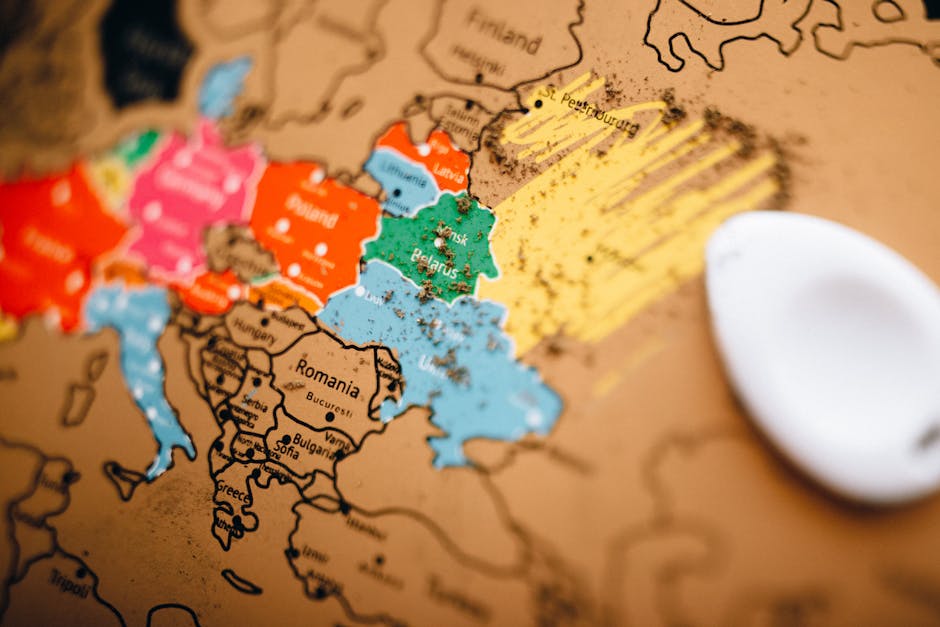
Start with a Realistic Itinerary
The first step in planning any European adventure is defining your route. Trying to squeeze too many countries into a short timeframe leads to rushed experiences and higher costs. Instead, focus on 3–4 countries that are geographically close and well-connected by train or budget flights.
For example, a two-week trip could include:

- Paris (France) → Brussels (Belgium) → Amsterdam (Netherlands)
- Rome (Italy) → Florence → Venice
- Barcelona (Spain) → Valencia → Madrid
These clusters minimize travel time and maximize sightseeing. Use tools like Google Maps or Rome2Rio to estimate travel durations between cities. Aim for at least 3–4 full days per country to avoid constant packing and unpacking.
Choose the Right Time to Travel
Timing affects everything—weather, crowds, prices, and availability. Summer (June–August) offers long days and warm weather but comes with peak prices and tourist congestion. Spring (April–May) and fall (September–October) strike a balance: pleasant temperatures, fewer crowds, and lower costs.
Avoid major holidays like Easter, Christmas, and national festivals unless you’re specifically attending them. For instance, Oktoberfest in Munich draws millions, which means booked-out hotels and packed streets. If you go during these times, book accommodations and transport at least 4–6 months in advance.
Book Transport Strategically
Europe’s transportation network is one of the best in the world. Trains are often the most convenient way to move between nearby countries, especially with high-speed options like the Eurostar (London–Paris/Brussels), Thalys (Paris–Amsterdam), and Frecciarossa (Italy).
For longer distances or island destinations, budget airlines like Ryanair, EasyJet, and Wizz Air offer affordable flights—but watch for hidden fees. Always compare total costs, including baggage, airport transfers, and check-in fees.
A compact comparison of common transport options:
| Transport | Best For | Avg. Cost (One-Way) | Booking Tip |
|---|---|---|---|
| High-Speed Train | Short to medium distances (e.g., Paris–Brussels) | €30–€120 | Book 2–3 months ahead for best prices |
| Budget Airline | Long distances or islands (e.g., Rome–Lisbon) | €20–€80 (plus fees) | Use incognito mode; add baggage early |
| Interrail Pass | Flexible train travel in 3+ countries | €200–€500 (7–15 days) | Only worth it if taking 4+ train trips |
If you’re visiting 3 or more countries by train, consider an Interrail Pass (for European residents) or Eurail Pass (for non-residents). These passes offer flexibility but require careful calculation—use the official pass calculator to see if it saves money over point-to-point tickets.
Manage Your Budget Wisely
Costs vary dramatically across Europe. Western and Northern Europe (e.g., Switzerland, Norway, Denmark) are significantly more expensive than Southern or Eastern Europe (e.g., Portugal, Hungary, Croatia).
To keep spending under control:
- Set a daily budget based on your destinations (e.g., €80/day in Budapest vs. €150/day in Zurich)
- Use apps like Trail Wallet or Splitwise to track expenses
- Eat like a local—markets, food trucks, and lunch menus are cheaper than dinner at tourist spots
- Stay in centrally located hostels, guesthouses, or budget hotels to save on transport
Always carry a mix of payment methods: a no-foreign-fee debit card, a credit card with travel rewards, and some cash. ATMs usually offer better exchange rates than currency exchanges.
Handle Visas and Documentation
Most travelers from the U.S., Canada, Australia, and the UK can enter the Schengen Area visa-free for up to 90 days within a 180-day period. However, if your trip includes non-Schengen countries like the UK, Ireland, Romania, or Croatia, you may need separate visas or entry permits.
Check each country’s official immigration website before booking. As of 2024, the European Travel Information and Authorisation System (ETIAS) is expected to launch, requiring pre-travel authorization for visa-exempt visitors—similar to the U.S. ESTA. Register online once it’s available.
Always carry:
- Passport (valid for at least 6 months beyond your return date)
- Travel insurance documents
- Copies of reservations (hotels, trains, flights)
- Digital backups stored in email or cloud storage
Pack Smart for Multiple Climates
Europe’s weather can vary widely even within a single trip. A summer journey from sunny Barcelona to rainy Edinburgh requires adaptable clothing. Pack lightweight layers, a compact rain jacket, and comfortable walking shoes.
Stick to a carry-on if possible—baggage fees on budget airlines add up, and navigating cobblestone streets with large suitcases is exhausting. Use packing cubes to organize clothes and save space.
Don’t forget adapters for European outlets (Type C/F), a portable charger, and a reusable water bottle—many cities have free refill stations.
Stay Connected Across Borders
Roaming charges can surprise unprepared travelers. Instead of paying high fees, consider these options:
- Buy a local SIM card in your first destination (e.g., Vodafone in Spain, Orange in France)
- Use an international eSIM like Airalo or Holafly for instant data activation
- Rely on free Wi-Fi in cafes, hostels, and public spaces
Download offline maps (Google Maps or Maps.me) and translation apps (Google Translate) before departure. These work without data and are lifesavers in remote areas or non-English-speaking regions.
Avoid These Common Mistakes
Even experienced travelers make errors when planning multi-country trips. Watch out for:
- Overpacking your itinerary: Travel fatigue is real. Allow downtime between cities.
- Ignoring time zone changes: Crossing into a new time zone? Adjust your watch and schedule accordingly.
- Booking non-refundable tickets too early: Prices drop closer to departure—unless it’s peak season.
- Underestimating border checks: While internal Schengen borders are usually open, random ID checks still happen. Always carry your passport.
Use Technology to Stay Organized
Digital tools streamline trip planning. Use:
- Google Trips (archived) or TripIt: Automatically organizes flights, hotels, and reservations in one place
- Notion or Google Docs: Create a shared itinerary with your travel group
- Skyscanner or Google Flights: Track price trends and set alerts
- Omio or Trainline: Compare and book trains and buses across Europe
Sync all bookings to your calendar with reminders 24 hours before departures.
Final Tips for a Smooth Journey
Start planning 3–6 months in advance, especially for summer travel. Prioritize flexibility—allow one or two free days to explore unexpected gems or recover from delays.
Learn a few basic phrases in each country’s language. Even simple greetings like “hello” (bonjour, ciao, hola) and “thank you” (merci, grazie, gracias) go a long way.
Finally, embrace the unexpected. Missed trains, language barriers, and weather changes are part of the adventure. With solid planning, you’ll handle them with confidence.
FAQ
How many countries can I realistically visit in two weeks?
Aim for 3–4 countries, especially if they’re neighboring. More than that leads to rushed travel and higher costs.
Do I need travel insurance for a multi-country Europe trip?
Yes. Medical care can be expensive, and insurance covers cancellations, delays, and lost luggage. Choose a policy that covers all your destinations.
Can I use one currency across all European countries?
No. While the euro is used in 20+ countries, others like the UK (pound), Switzerland (franc), and Czech Republic (koruna) have their own currencies. Plan accordingly.
Conclusion
You don’t need to be a seasoned traveler to plan a multi-country Europe trip easily. By focusing on a realistic route, booking transport early, managing your budget, and preparing for the unexpected, you’ll spend less time stressing and more time enjoying Europe’s rich culture, history, and landscapes. Start with a clear plan, stay flexible, and let the journey unfold.