One Week in France Travel Itinerary and Travel Tips
If you’re planning a one week in France travel itinerary, you’re likely looking for a balanced mix of iconic cities, scenic countryside, and authentic cultural experiences—all within a tight schedule. This guide offers a practical, day-by-day plan covering Paris, the Loire Valley, and Nice, with realistic travel times, must-see attractions, and essential tips to help you make the most of your seven days. Whether it’s your first trip or a return visit, this itinerary prioritizes efficiency without sacrificing depth.
Why This One Week in France Travel Itinerary Works
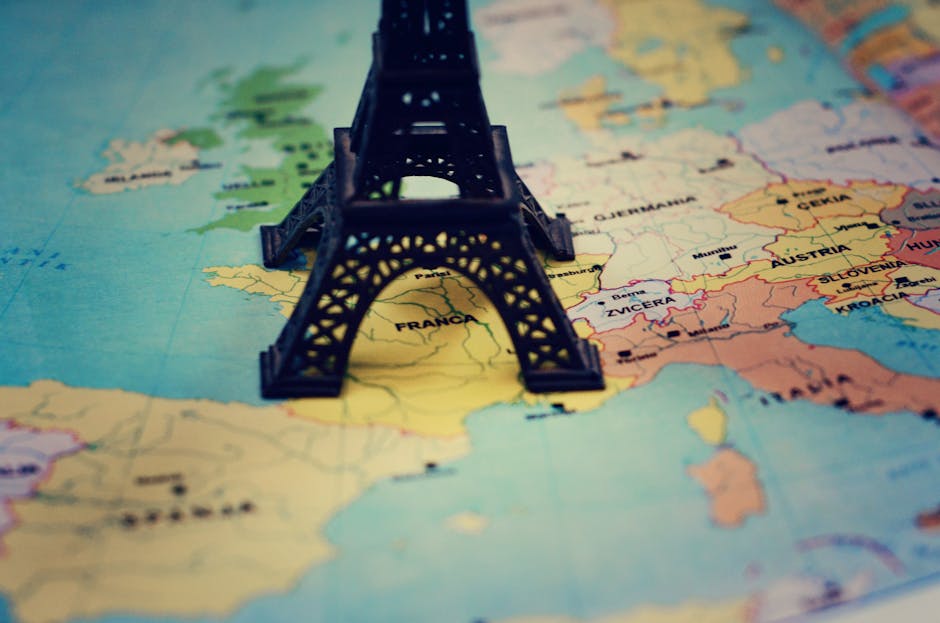
France is diverse, but seven days isn’t enough to see everything. This itinerary focuses on three distinct regions—Paris for art and history, the Loire Valley for châteaux and wine, and Nice for Mediterranean charm—connected by efficient train routes. The pacing allows for full days of exploration with minimal backtracking. You’ll experience urban energy, rural elegance, and coastal relaxation, giving you a well-rounded taste of France.
Day-by-Day One Week in France Travel Itinerary
Day 1–3: Paris – The Heart of France
Start in Paris. Fly into Charles de Gaulle Airport (CDG) and take the RER B train into the city (about 35 minutes to central stations). Spend your first three days exploring the capital’s highlights.
- Day 1: Arrive and settle in. Visit the Eiffel Tower (book tickets in advance), stroll along the Seine, and enjoy dinner in the Saint-Germain-des-Prés neighborhood.
- Day 2: Explore the Louvre (reserve entry online), walk through the Tuileries Garden, and visit Notre-Dame (exterior only; interior still under restoration). End with a sunset cruise on the Seine.
- Day 3: Head to Montmartre. Visit Sacré-Cœur, explore the artists’ square at Place du Tertre, and enjoy lunch at a local bistro. In the afternoon, visit the Musée d’Orsay for Impressionist masterpieces.
Stay in central Paris—areas like the Marais, Latin Quarter, or near the Opéra are convenient for walking and public transit.
Day 4: Loire Valley – Châteaux and Countryside
Take the TGV train from Paris Montparnasse to Tours (about 1h 20m). From Tours, rent a car or join a guided tour to visit two or three châteaux. Recommended stops: Château de Chambord (iconic architecture), Château de Chenonceau (elegant and historic), and Château de Villandry (famous gardens).
Spend the night in Tours or Amboise. Dine on regional specialties like rillettes, goat cheese, and Loire wines such as Sancerre or Vouvray.
Day 5: Travel to Nice – Mediterranean Coast
Fly from Tours (or take a train back to Paris and connect via TGV or flight) to Nice Côte d’Azur Airport (NCE). The fastest option is a short flight from Paris Orly or CDG (about 1h 30m). Alternatively, take a TGV to Marseille (3h) and transfer to a regional train to Nice (2h).
Check into your hotel in Nice’s Old Town or near the Promenade des Anglais. Spend the afternoon walking the promenade, exploring Cours Saleya’s market, and enjoying your first taste of Niçoise cuisine—try socca (chickpea pancake) or salade niçoise.
Day 6: Explore Nice and the French Riviera
Take a half-day trip to Èze, a hilltop medieval village with panoramic sea views, or visit Monaco (30 minutes by train). Return to Nice for a relaxed afternoon. Visit the Russian Cathedral, relax at Castle Hill for city views, or take a sunset dip in the Mediterranean.
In the evening, enjoy dinner at a waterfront restaurant in Old Nice. Try local seafood or daube niçoise (beef stew).
Day 7: Last-Minute Shopping and Departure
Use your final morning for souvenirs—local olive oil, lavender products, or handmade ceramics. Grab a coffee and croissant at a sidewalk café. Depending on your flight time, visit the Musée Matisse or simply unwind by the sea.
Fly out from Nice Côte d’Azur Airport. Allow at least 90 minutes for domestic or EU flights, 2 hours for international departures.
Essential Travel Tips for Your One Week in France
- Book trains and flights early: TGV tickets are cheaper when purchased in advance. Use SNCF Connect or Trainline to compare options.
- Pack light: You’ll be moving between cities. A carry-on suitcase or backpack with a day bag works best.
- Use public transit: Paris has an excellent metro system. In Nice, buses and trams are reliable. Avoid renting a car in cities—parking is expensive and traffic can be stressful.
- Learn basic French phrases: Even simple greetings like “Bonjour” and “Merci” go a long way. Locals appreciate the effort.
- Carry cash and cards: While card payments are common, smaller vendors and rural areas may prefer cash. Notify your bank of travel plans to avoid card blocks.
- Watch for pickpockets: Be cautious in tourist-heavy areas like the Eiffel Tower, metro stations, and crowded markets.
Comparing Transportation Options
Choosing the right transport between cities saves time and money. Below is a comparison of the main options for key routes in your one week in France travel itinerary.
| Route | Option | Duration | Avg. Cost (One Way) | Best For |
|---|---|---|---|---|
| Paris → Tours | TGV Train | 1h 20m | €30–€60 | Speed, comfort, city-center to city-center |
| Paris → Nice | Flight (CDG/ORY to NCE) | 1h 30m + transfers | €80–€150 | Time efficiency, long distance |
| Nice → Èze/Monaco | Train + Bus | 30–45m | €2–€5 | Affordability, scenic views |
What to Pack for a Week in France
Pack versatile, comfortable clothing. Spring and fall call for layers; summer is warm but evenings can be cool by the coast. Include:
- Comfortable walking shoes (cobblestones are common)
- Light jacket or sweater
- Umbrella or compact raincoat
- Power adapter (France uses Type E outlets, 230V)
- Reusable water bottle (tap water is safe)
- Small daypack for sightseeing
Budgeting for One Week in France
France can be expensive, but costs vary by region and travel style. Here’s a rough estimate for a mid-range traveler:
- Accommodation: €100–€180/night (hotels or well-located apartments)
- Food: €30–€50/day (mix of cafés, bistros, and one nicer dinner)
- Transport: €150–€250 (trains, flights, local transit)
- Attractions: €100–€150 (museums, châteaux, tours)
Total estimated cost: €1,200–€1,800 per person. Traveling off-season (November–March) can reduce costs by 20–30%.
Common Mistakes to Avoid
- Overpacking your itinerary: Trying to see too much leads to burnout. Stick to 2–3 major sights per day.
- Ignoring reservation requirements: Popular sites like the Louvre, Eiffel Tower, and châteaux require advance booking.
- Assuming English is widely spoken: Outside tourist zones, English proficiency drops. Use translation apps and polite gestures.
- Skipping travel insurance: Medical care and trip cancellations can be costly. A basic policy is worth the investment.
Final Thoughts
A one week in France travel itinerary can deliver a rich, varied experience if planned wisely. By focusing on Paris, the Loire Valley, and Nice, you’ll enjoy a blend of history, culture, and natural beauty. Prioritize advance bookings, use efficient transport, and leave room for spontaneity. With the right preparation, your week in France can be both memorable and manageable.
FAQ
Can I see France in one week?
Yes, but focus on a few key regions. This itinerary covers Paris, the Loire Valley, and Nice—offering a balanced mix of culture, history, and scenery without rushing.
Is it better to rent a car or use trains in France?
Use trains for intercity travel—they’re fast, reliable, and drop you in city centers. Rent a car only if you plan extensive countryside exploration beyond the Loire Valley day trip.
What’s the best time of year for a one-week trip to France?
Late spring (May–June) and early fall (September) offer pleasant weather, fewer crowds, and lower prices compared to summer peak season.