
One Week in Switzerland Travel Plan and Itinerary
Planning a one week in Switzerland travel plan and itinerary can feel overwhelming given the country’s compact size and wealth of natural and cultural attractions. Yet, with smart routing and realistic pacing, you can experience alpine vistas, charming cities, and efficient public transport—all within seven days. This guide offers a balanced, day-by-day itinerary that covers Zurich, Lucerne, Interlaken, and the Jungfrau region, maximizing your time without rushing. You’ll travel efficiently using Switzerland’s reliable rail system, enjoy iconic sights like Lake Lucerne and the Jungfraujoch, and leave room for spontaneous moments—like a lakeside coffee or a mountain trail detour.
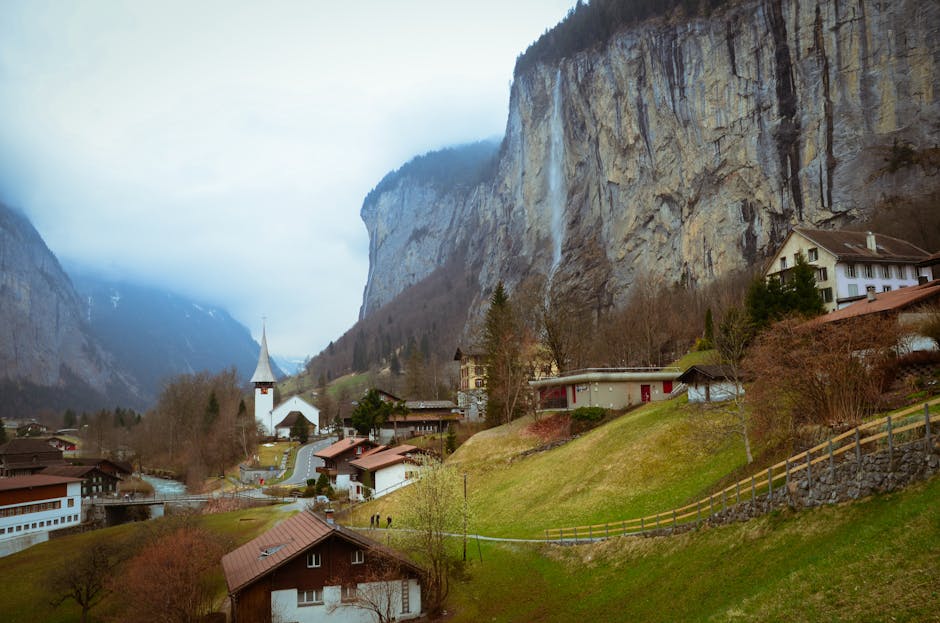
Why This Itinerary Works for One Week in Switzerland
Switzerland’s public transportation network is among the best in the world, making it easy to move between cities and mountain destinations. This seven-day plan prioritizes connectivity, scenery, and variety. You’ll start in Zurich for urban culture, head to Lucerne for lakeside charm, then move into the Alps around Interlaken for outdoor adventure. The route avoids backtracking and leverages direct train connections, so you spend less time traveling and more time experiencing.
Day-by-Day Itinerary: One Week in Switzerland Travel Plan and Itinerary
Day 1: Arrival in Zurich – Explore the Old Town
Arrive at Zurich Airport (ZRH), one of Europe’s most efficient hubs. Take the 10-minute train to Zurich Hauptbahnhof (main station), then check into your hotel. Spend the afternoon strolling through the Old Town (Altstadt), a maze of cobbled streets, medieval buildings, and boutique shops. Visit the Grossmünster church for panoramic city views, and walk along the Limmat River to the Kunsthaus Zurich art museum if time allows. End the day with dinner at a traditional Swiss restaurant—try Zürcher Geschnetzelte (veal in cream sauce) at Zeughauskeller.
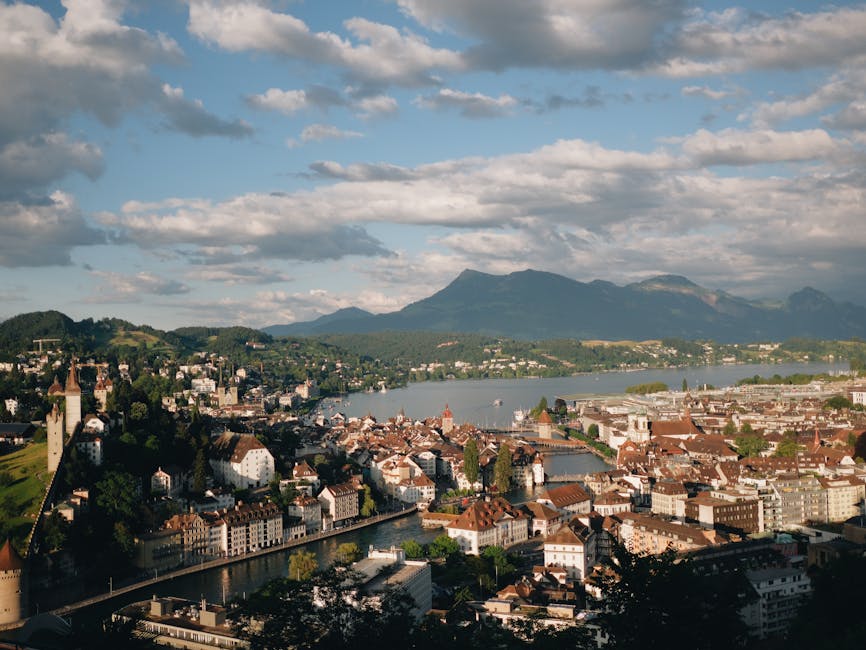
Day 2: Zurich to Lucerne – Lakeside Beauty and the Chapel Bridge
Take an early morning train from Zurich to Lucerne (about 45 minutes, frequent departures). Drop your bags at your hotel and head straight to the lakefront. Walk across the Kapellbrücke (Chapel Bridge), a 14th-century wooden bridge adorned with historic paintings. Visit the nearby Water Tower and explore the old town’s colorful facades. In the afternoon, take a short boat cruise on Lake Lucerne or ride the funicular to the top of Mount Pilatus for sweeping alpine views. Return to Lucerne for dinner and an evening stroll along the lake.
Day 3: Lucerne to Interlaken – Gateway to the Alps
Board a scenic train from Lucerne to Interlaken Ost (about 2 hours), passing through the Brünig Pass with views of rolling hills and mountain lakes. Interlaken sits between Lake Thun and Lake Brienz, offering a perfect base for exploring the Jungfrau region. After checking in, take a short boat ride on Lake Thun or walk through the Höhematte park. If you’re feeling active, hike part of the Harder Kulm trail for a free viewpoint over both lakes and the surrounding peaks. Dinner in Interlaken offers Swiss classics like raclette or fondue—try the local cheese at a mountain-view restaurant.
Day 4: Jungfraujoch – The Top of Europe
Dedicate this day to the Jungfraujoch, often called the “Top of Europe.” Take the early train from Interlaken Ost to Lauterbrunnen, change to the Wengernalp Railway to Kleine Scheidegg, then board the Jungfrau Railway to the summit (about 1.5 hours total). At 3,454 meters, you’ll find an ice palace, observation decks, and views of the Aletsch Glacier—the largest in the Alps. Allow at least 4–5 hours for the round trip. Dress warmly, even in summer, as temperatures at the summit hover around freezing. Return to Interlaken in the late afternoon and rest or enjoy a quiet dinner.
Day 5: Lauterbrunnen Valley and Grindelwald
Explore two of Switzerland’s most dramatic valleys. Start in Lauterbrunnen, surrounded by 72 waterfalls and sheer cliffs. Walk to the Staubbach Falls viewpoint or take the cable car to Grütschalp for a gentle hike to Mürren, a car-free village with stunning views of the Eiger. Return to Lauterbrunnen and take the train to Grindelwald, a charming alpine town at the foot of the Eiger North Face. Visit the Glacier Gorge or take the First cable car for panoramic views and optional activities like the First Cliff Walk or a mountain cart ride. Return to Interlaken by evening.
Day 6: Day Trip to Bern or Optional Adventure
Choose between a cultural excursion to Bern or an adventure day in the mountains. Option one: take a 1-hour train to Bern, Switzerland’s capital. Explore the UNESCO-listed old town, see the Zytglogge clock tower, and walk along the Aare River. Visit the Bear Park and enjoy a meal at a local bistro. Return to Interlaken by late afternoon. Option two: stay in the region and try paragliding from Interlaken (weather permitting), or take a scenic train to Gstaad or Zweisimmen for a quieter alpine experience. Either way, use this day to recharge or explore at a relaxed pace.
Day 7: Return to Zurich – Departure
Take a morning train from Interlaken to Zurich (about 2 hours). If your flight is in the afternoon or evening, store your luggage at the station and revisit a favorite spot in Zurich—perhaps Bahnhofstrasse for shopping or the lakeside for a final coffee. For late departures, consider a quick visit to the Swiss National Museum. Head to the airport with plenty of time, using the direct train link from Zurich Hauptbahnhof.
Transportation Tips for Your Switzerland Itinerary
Switzerland’s rail system is punctual, clean, and extensive. For this itinerary, consider purchasing a Swiss Travel Pass, which covers most trains, buses, boats, and museum entries. It’s cost-effective if you plan to take multiple trips. Alternatively, use the Half-Fare Card to save 50% on all public transport. Always validate tickets before boarding, and check real-time schedules on the SBB Mobile app. Trains between major cities run frequently, but mountain railways (like to Jungfraujoch) require seat reservations in peak season.
Accommodation and Budget Considerations
Switzerland is expensive, but smart choices can help manage costs. In cities like Zurich and Lucerne, consider staying in well-connected suburbs (e.g., Zurich West or Lucerne’s lakeside districts) for better rates. In Interlaken, family-run guesthouses offer value and charm. Book accommodations early, especially in summer and winter. For meals, balance restaurant dining with supermarket picnics—Coop and Migros offer quality ready-to-eat options. A daily budget of CHF 150–200 per person is realistic for mid-range travelers.
What to Pack for a Week in Switzerland
- Layered clothing: Weather changes quickly in the mountains. Pack a waterproof jacket, warm layers, and comfortable walking shoes.
- Swiss adapter: Switzerland uses Type J outlets (similar to European Type C but with grounding).
- Reusable water bottle: Tap water is safe and free at most public fountains.
- Daypack: Essential for day trips and train travel.
- Sunscreen and sunglasses: High-altitude sun is intense, even in cooler weather.
Compact Comparison: Key Destinations in Your Itinerary
| Destination | Best For | Travel Time from Previous Stop | Must-See |
|---|---|---|---|
| Zurich | Culture, dining, arrival hub | — | Old Town, Limmat River, Kunsthaus |
| Lucerne | Lakeside charm, historic sites | 45 min by train | Chapel Bridge, Mount Pilatus |
| Interlaken | Adventure base, alpine access | 2 hours by train | Lake Thun, Harder Kulm |
| Jungfraujoch | High-altitude views, glaciers | 1.5 hours by train | Ice Palace, Aletsch Glacier |
Final Tips for a Smooth Trip
Book mountain excursions and popular restaurants in advance, especially from June to September. Download offline maps and transport apps before arriving. While most Swiss speak English, learning a few German phrases (e.g., “Danke” for thank you) is appreciated. Respect quiet hours in hotels and on public transport. And don’t over-schedule—some of the best moments come from unplanned stops at a mountain café or a lakeside bench.
FAQ
Q: Is one week enough time to see Switzerland?
A: Yes, if you focus on a few key regions. This itinerary covers urban, lakeside, and alpine highlights without rushing. Trying to cover too much can lead to fatigue.
Q: Do I need a car to travel in Switzerland?
A: No. Trains, buses, and boats connect nearly every destination. Public transport is faster, more scenic, and often cheaper than driving, especially with a Swiss Travel Pass.
Q: What’s the best time of year for this itinerary?
A: Late spring (May–June) and early fall (September) offer pleasant weather, fewer crowds, and full access to mountain attractions. Summer is peak season; winter is ideal for snow sports but limits some hikes.