
One Week in Germany Travel Itinerary and Guide
If you’re planning a trip to Germany and only have seven days, a well-structured One Week in Germany Travel Itinerary and Guide is essential to make the most of your time. This guide covers a balanced route through Germany’s top cities—Berlin, Munich, and the Rhine Valley—offering a mix of history, culture, nature, and modern attractions. You’ll experience world-class museums, medieval towns, scenic river cruises, and authentic Bavarian cuisine, all within a manageable travel schedule. Whether you’re a first-time visitor or returning to explore deeper, this itinerary ensures you see the highlights without feeling rushed.
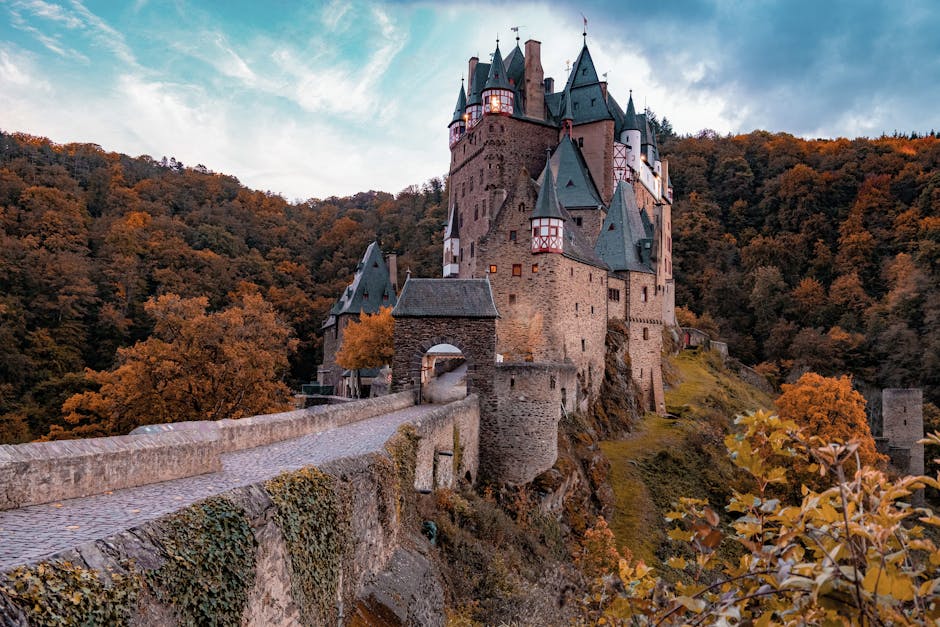
Why This One Week in Germany Itinerary Works
Germany is a compact country with excellent rail connections, making it ideal for a week-long trip. The route from Berlin in the north to Munich in the south, with a detour along the Rhine River, allows you to experience diverse landscapes and cultures in a short time. High-speed trains like the ICE connect major cities in under six hours, and regional trains serve smaller towns efficiently. This itinerary prioritizes must-see sights while leaving room for spontaneous exploration and local experiences.
Day-by-Day Itinerary Overview
Here’s a practical breakdown of your week, designed for maximum enjoyment with minimal backtracking:
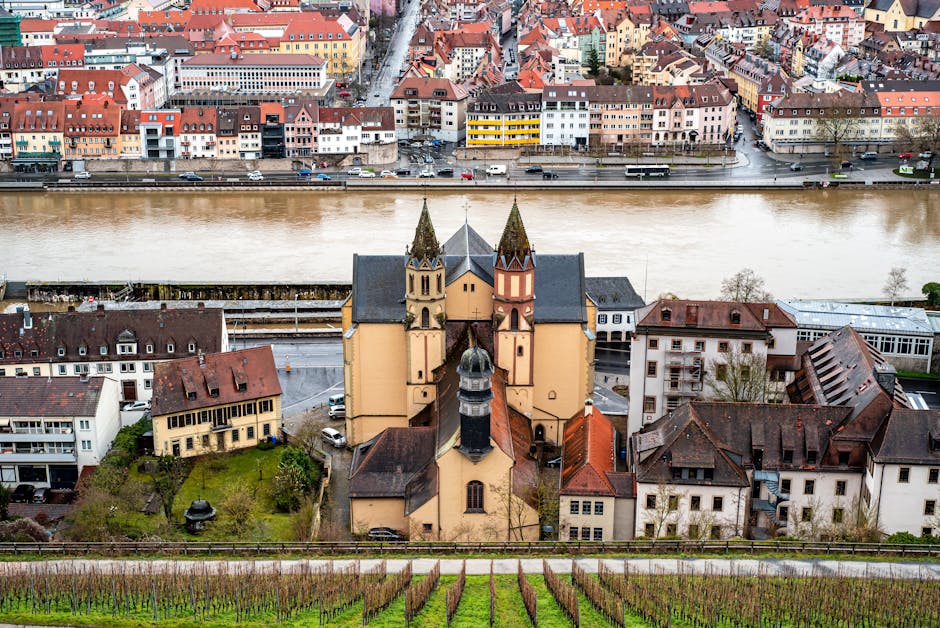
- Day 1–2: Berlin – History, museums, and vibrant neighborhoods
- Day 3: Travel to Cologne and explore the Rhine Valley
- Day 4: Rhine River cruise and visit to Rüdesheim
- Day 5: Travel to Munich – Arrival and city orientation
- Day 6: Munich highlights and optional day trip to Neuschwanstein
- Day 7: Final morning in Munich, souvenir shopping, and departure
Detailed Daily Breakdown
Day 1: Arrival in Berlin
Begin your journey in Berlin, Germany’s dynamic capital. Arrive at Berlin Brandenburg Airport (BER), then take the S-Bahn or regional train to your hotel in the Mitte district. Drop off your bags and head straight to Museum Island, a UNESCO World Heritage site housing five world-renowned museums. The Pergamon Museum and Neues Museum are particularly impressive. In the evening, stroll through Unter den Linden boulevard and enjoy dinner at a traditional German restaurant like Zur letzten Instanz, Berlin’s oldest eatery.
Day 2: Berlin’s History and Culture
Start your second day at the Brandenburg Gate and walk along the Berlin Wall Memorial and East Side Gallery. Visit Checkpoint Charlie and the Topography of Terror for deeper insight into Cold War history. After lunch in Kreuzberg, explore the vibrant street art scene and sample international cuisine. End the day with a sunset view from the Reichstag dome (book free tickets in advance).
Day 3: Berlin to Cologne and the Rhine Valley
Take an early ICE train from Berlin Hbf to Cologne (about 4.5 hours). Upon arrival, visit the iconic Cologne Cathedral—a Gothic masterpiece that dominates the skyline. Climb the 509 steps to the top for panoramic views. After lunch, catch a regional train to Koblenz, where the Rhine and Moselle rivers meet. Check into a riverside hotel and enjoy a quiet evening along the promenade.
Day 4: Scenic Rhine River Cruise
Spend your morning on a leisurely Rhine River cruise from Koblenz to Rüdesheim. This stretch, known as the Romantic Rhine, features steep vineyards, medieval castles like Marksburg and Rheinfels, and charming villages. Disembark in Rüdesheim and explore Drosselgasse, a lively lane filled with wine taverns and souvenir shops. Try a glass of Riesling at a local winery. Return to Koblenz by train in the evening.
Day 5: Travel to Munich
Board an ICE train from Koblenz to Munich (approximately 5.5 hours). The journey takes you through the scenic German countryside and the Black Forest region. Arrive in Munich and check into your hotel near Marienplatz. Spend the afternoon exploring the historic city center: visit the New Town Hall, watch the Glockenspiel show, and wander through Viktualienmarkt, Munich’s open-air food market. Dinner at a beer hall like Hofbräuhaus offers classic Bavarian fare and atmosphere.
Day 6: Munich Highlights and Optional Day Trip
Begin with a visit to Nymphenburg Palace, a Baroque summer residence with beautiful gardens. Alternatively, take a half-day trip to Neuschwanstein Castle (about 2 hours by train and bus), the fairy-tale castle that inspired Disney’s Sleeping Beauty Castle. If you stay in Munich, visit the Deutsches Museum, one of the world’s largest science and technology museums, or relax in the English Garden, where you can watch surfers ride the Eisbach wave.
Day 7: Final Morning and Departure
Use your last morning for last-minute shopping at Kaufingerstraße or pick up souvenirs like beer steins or cuckoo clocks. Have a leisurely breakfast at a café near your hotel, then head to Munich Airport (MUC) or the main train station for your departure. If time allows, enjoy a final pretzel and coffee at the airport.
Transportation Tips for Your Germany Itinerary
Germany’s public transportation system is efficient, reliable, and traveler-friendly. For intercity travel, Deutsche Bahn (DB) operates high-speed ICE trains that connect major cities. Book tickets in advance online for the best prices. Regional trains (RE, RB) are ideal for shorter trips and scenic routes. Consider purchasing a German Rail Pass if you plan multiple long-distance trips. For local transit, use day tickets on buses, trams, and subways—available at stations and via mobile apps.
Where to Stay: City-by-City Recommendations
Choosing the right neighborhood enhances your experience. In Berlin, stay in Mitte for central access or Kreuzberg for a more local vibe. In Cologne, the Old Town (Altstadt) is ideal for first-time visitors. Along the Rhine, Koblenz offers riverside charm and easy train connections. In Munich, Altstadt-Lehel puts you near major sights, while Schwabing is quieter and more residential.
Must-Try Foods and Drinks
German cuisine varies by region, but some dishes are worth seeking out:
- Currywurst: Berlin’s iconic street food—grilled sausage with curry ketchup
- Sauerbraten: Marinated pot roast, often served with red cabbage and dumplings
- Bratwurst: Grilled sausage, especially popular in Nuremberg and Munich
- Pretzels and Brezel: Soft, salty baked goods, best enjoyed with beer
- Beer: Try local varieties like Kölsch in Cologne or Weissbier in Munich
Don’t forget to sample regional wines, particularly Riesling from the Rhine and Moselle valleys.
Compact Comparison: Key German Cities
Here’s a quick comparison to help you understand what each city offers:
| City | Best For | Travel Time from Berlin | Must-See Attraction |
|---|---|---|---|
| Berlin | History, museums, nightlife | — | Brandenburg Gate |
| Cologne | Gothic architecture, Rhine access | 4.5 hours by train | Cologne Cathedral |
| Munich | Bavarian culture, Alps proximity | 6 hours by train | Neuschwanstein Castle |
Packing Essentials and Travel Tips
Pack layers, as German weather can change quickly, especially in spring and fall. Comfortable walking shoes are a must—cobblestone streets and extensive sightseeing demand them. Bring a reusable water bottle; tap water is safe to drink. Download offline maps and translation apps. Most Germans speak English in tourist areas, but learning a few basic German phrases goes a long way.
Budgeting for One Week in Germany
Germany is moderately priced compared to other Western European countries. Budget travelers can expect to spend €60–€80 per day, while mid-range travelers should plan for €100–€150. Costs include:
- Accommodation: €60–€120 per night
- Meals: €10–€20 for lunch, €20–€40 for dinner
- Transportation: €50–€100 for intercity trains (book early for savings)
- Attractions: €10–€20 per major museum or site
Consider city tourist cards for discounts on public transit and entry fees.
FAQ
Q: Is one week enough time to see Germany?
A: Yes, if you focus on 2–3 key regions. This itinerary covers Berlin, the Rhine Valley, and Munich efficiently without rushing.
Q: Do I need to rent a car for this trip?
A: No. Germany’s train network is excellent, and driving in cities can be stressful and expensive due to parking and environmental zones.
Q: What’s the best time of year to visit?
A: Late spring (May–June) and early fall (September) offer mild weather, fewer crowds, and blooming landscapes along the Rhine.
Final Thoughts
This One Week in Germany Travel Itinerary and Guide balances iconic sights with authentic local experiences. From Berlin’s layered history to the fairy-tale castles of Bavaria and the romantic Rhine, you’ll get a well-rounded taste of Germany in just seven days. With smart planning, reliable transport, and a flexible mindset, your trip will be both memorable and manageable. Start booking your train tickets, pack your walking shoes, and get ready to explore one of Europe’s most captivating destinations.