
One Week in Japan Travel Itinerary and Travel Tips
Planning a one week in Japan travel itinerary can feel overwhelming, but with the right route and preparation, your trip can be smooth, enriching, and unforgettable. This guide offers a realistic 7-day plan covering Tokyo, Hakone, Kyoto, and Osaka—ideal for first-time visitors. You’ll explore ancient temples, modern cityscapes, natural hot springs, and world-class cuisine, all while navigating Japan’s efficient transit system. Whether you’re drawn to culture, food, or scenery, this itinerary balances must-see sights with practical travel tips to help you make the most of your time.
Why a One Week in Japan Travel Itinerary Works
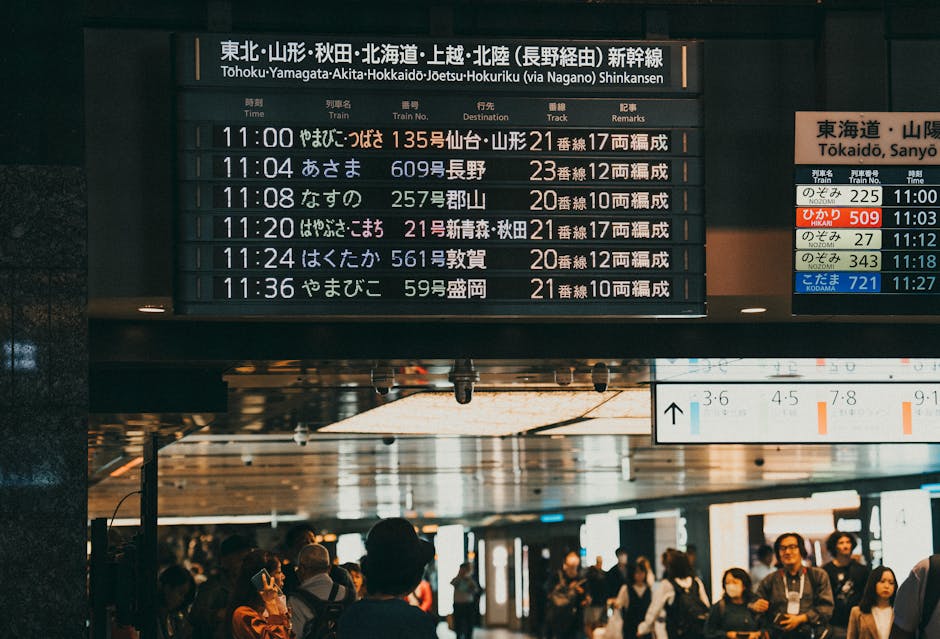
Japan’s compact geography and excellent public transportation make a one-week trip surprisingly effective. High-speed trains like the Shinkansen connect major cities in under three hours, allowing you to experience diverse regions without constant travel fatigue. A well-structured itinerary minimizes backtracking and maximizes sightseeing, especially when you prioritize two to three key areas.
For most travelers, the ideal route starts in Tokyo, moves west to Hakone for relaxation, continues to Kyoto for tradition, and ends in Osaka for food and departure. This loop follows Japan’s natural travel corridor and aligns with flight patterns—arriving in Tokyo and departing from Osaka (or vice versa) saves time and money.
Day-by-Day One Week in Japan Travel Itinerary
Day 1–3: Tokyo – Modern Meets Traditional
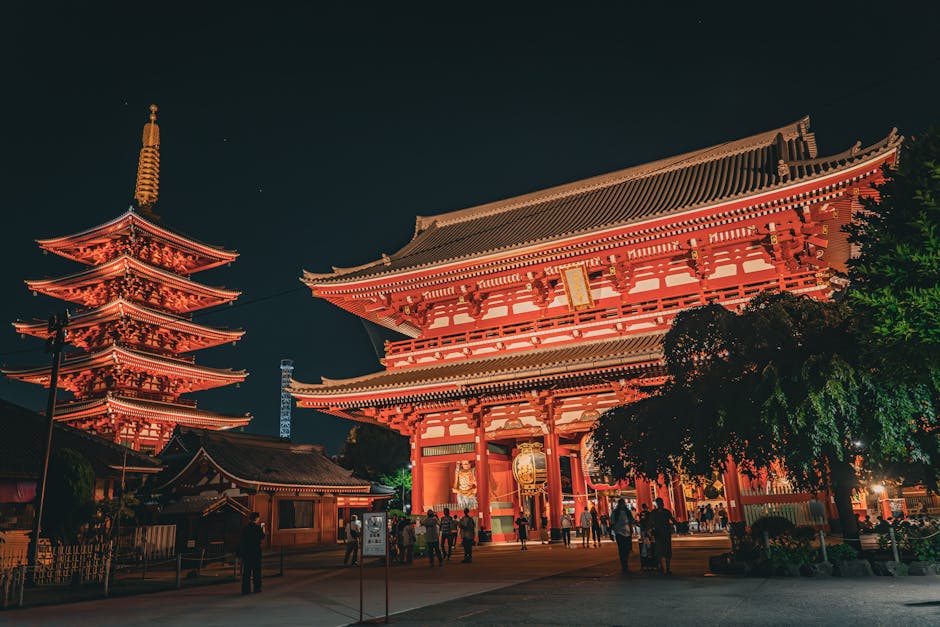
Begin your journey in Tokyo, Japan’s dynamic capital. Spend your first day acclimating with a walk through Shibuya Crossing, visit the Meiji Shrine for a quiet contrast, and explore Harajuku for quirky fashion and snacks. On day two, head to Asakusa to see Senso-ji Temple, then take a river cruise to Odaiba for futuristic attractions and city views. Day three is ideal for day trips: consider Nikko for UNESCO shrines or Kamakura for the Great Buddha and coastal charm.
Accommodation tip: Stay in Shinjuku or Shibuya for easy access to trains and nightlife. Book a hotel near a JR station to simplify travel.
Day 4: Hakone – Onsen and Mt. Fuji Views
Take the Romancecar train from Shinjuku to Hakone (about 90 minutes). Use the Hakone Free Pass for unlimited rides on buses, cable cars, and the pirate ship cruise across Lake Ashi. Visit the Hakone Shrine with its iconic red torii gate over the water, then ride the Owakudani Valley ropeway for volcanic views and black eggs said to add years to your life.
Stay overnight in a ryokan (traditional inn) with a private onsen. This is your chance to unwind in natural hot springs and enjoy a multi-course kaiseki dinner. Book well in advance—popular ryokens fill up quickly.
Day 5–6: Kyoto – Temples, Tea, and Tradition
Travel to Kyoto via the Shinkansen from Odawara (about 2 hours). Kyoto is the heart of traditional Japan, with over 2,000 temples and preserved historic districts. On day five, explore Fushimi Inari Shrine early to avoid crowds, then wander through Gion, Kyoto’s geisha district. Visit Kiyomizu-dera for panoramic views and Sannenzaka for souvenir shopping.
Day six is perfect for the Arashiyama area: see the Bamboo Grove, Tenryu-ji Temple, and the Iwatayama Monkey Park. End the day with a matcha tea ceremony or a riverside dinner in Pontocho.
Day 7: Osaka – Food and Final Departures
Take the train to Osaka (30 minutes from Kyoto). Known as Japan’s kitchen, Osaka is a must for food lovers. Start at Dotonbori for street food like takoyaki and okonomiyaki, then visit Osaka Castle for history and skyline views. If time allows, explore Shinsekai for retro charm and kushikatsu (fried skewers).
Most international flights depart from Kansai International Airport (KIX), conveniently accessed via the Nankai or JR lines. Allow at least two hours to reach the airport from central Osaka.
Essential Travel Tips for Your Japan Trip
Transportation: Use the Rail Pass Wisely
The Japan Rail Pass can save money if you plan multiple long-distance trips. It covers most Shinkansen lines (except Nozomi and Mizuho), local JR trains, and some buses. Activate it on the day you leave Tokyo for Kyoto.
| Route | Without Pass (¥) | With Pass (¥) | Savings |
|---|---|---|---|
| Tokyo → Kyoto (Shinkansen) | 14,000 | 0 | 14,000 |
| Kyoto → Osaka (Local Train) | 560 | 0 | 560 |
| Osaka → Kansai Airport | 1,400 | 0 | 1,400 |
| Total | 15,960 | Pass Cost: 29,650 | Break-even after 2+ long trips |
Note: The pass must be purchased before arriving in Japan. If you’re only traveling between Tokyo and Kyoto once, individual tickets may be cheaper.
Language and Communication
While English is spoken in tourist areas, learning a few Japanese phrases goes a long way. Use translation apps like Google Translate with offline mode. Many signs are bilingual, but rural areas may have limited English support.
Money and Payments
Japan is still largely cash-based, especially at temples, small restaurants, and rural shops. Withdraw cash from 7-Eleven ATMs (Seven Bank), which accept international cards. Credit cards are accepted in department stores and hotels, but always carry yen.
Etiquette and Cultural Tips
- Bow slightly when greeting or thanking someone.
- Remove shoes before entering homes, ryokans, and some restaurants.
- Do not tip—it’s not customary and can be considered rude.
- Keep noise low on trains and in public spaces.
- Dispose of trash properly—public bins are rare; carry a small bag for wrappers.
Packing Essentials
Pack light, comfortable clothing and walking shoes. Japan has excellent convenience stores, so you can buy toiletries, umbrellas, and snacks on the go. Bring a portable Wi-Fi device or rent a pocket Wi-Fi at the airport for reliable internet. A reusable water bottle is useful—tap water is safe to drink.
Common Challenges and How to Avoid Them
One common mistake is overpacking the itinerary. Japan’s attractions often require walking and waiting in lines. Build in downtime, especially after long train rides. Another issue is underestimating travel time between cities—always check train schedules and allow buffer time.
Avoid peak seasons like Golden Week (late April–early May) and cherry blossom season (late March–early April) if you prefer fewer crowds. These periods also see higher prices and limited availability.
Final Thoughts on Your One Week in Japan Travel Itinerary
A one week in Japan travel itinerary is enough to experience the country’s highlights without feeling rushed. By focusing on Tokyo, Hakone, Kyoto, and Osaka, you’ll enjoy a balanced mix of modern energy, natural beauty, and deep cultural heritage. With smart planning, respect for local customs, and flexibility, your week in Japan can be both efficient and deeply rewarding.
FAQ
Q: Can I see Mt. Fuji during my trip?
A: Yes, weather permitting. The best views are from Hakone or the Shinkansen between Tokyo and Kyoto. Clear days offer the clearest sightings—check forecasts and consider a morning departure.
Q: Is it safe to travel alone in Japan?
A: Absolutely. Japan is one of the safest countries in the world, with low crime rates and helpful locals. Solo travelers, including women, will feel secure walking at night and using public transport.
Q: Do I need to speak Japanese to get around?
A: Not necessarily. Major stations, signs, and menus often have English translations. Learning basic phrases like “arigatou” (thank you) and “sumimasen” (excuse me) enhances your experience and shows respect.